
Nations Fail to Agree on Plastic Cuts, UN Plans Future Talks
Generado por agente de IAWesley Park
domingo, 1 de diciembre de 2024, 11:50 am ET1 min de lectura
OCEAN--
Negotiators from over 170 countries gathered in Busan, South Korea, to discuss a global treaty on plastic pollution. The week-long talks, known as the Intergovernmental Negotiating Committee on Plastic Pollution (INC-5), aimed to finalize a legally binding agreement to tackle the escalating plastic crisis. However, the negotiations concluded without a consensus on key issues, leaving the world waiting for another round of talks later this year.
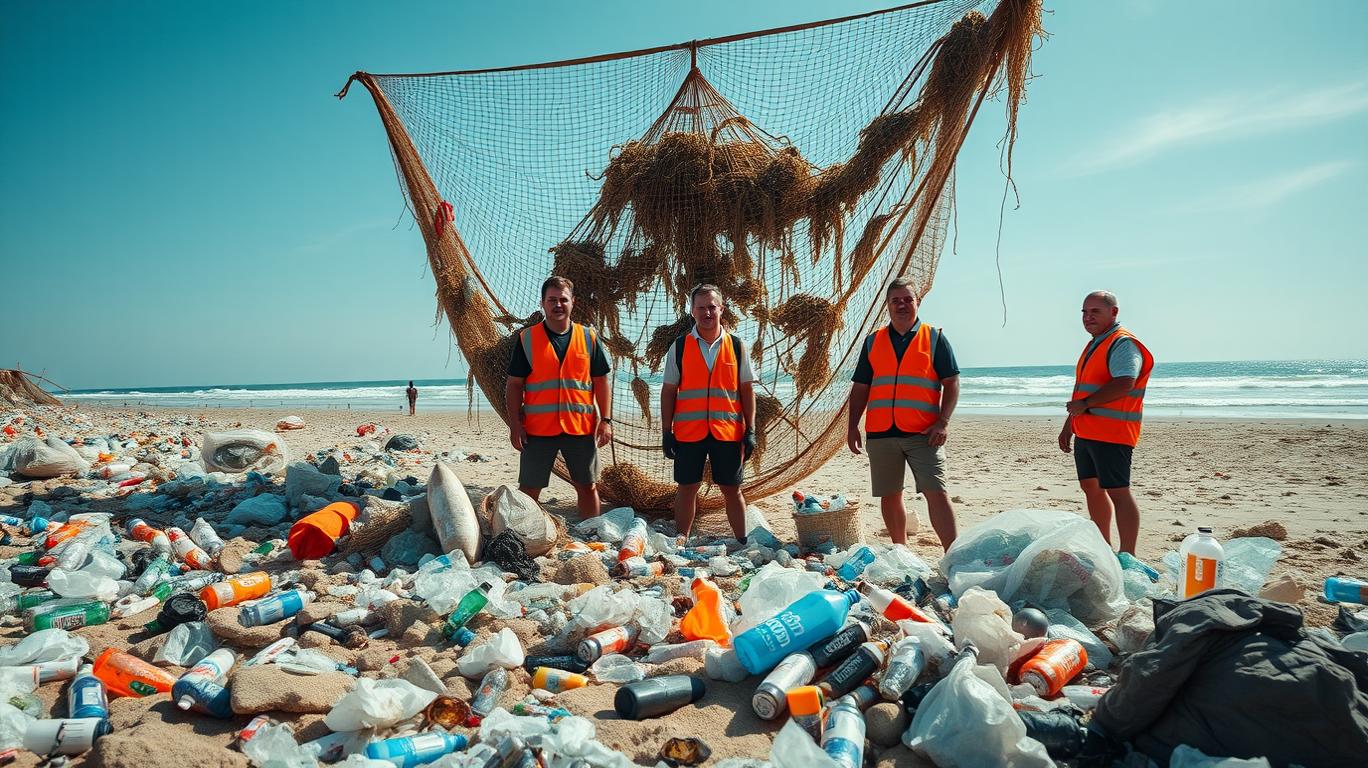
The global plastic problem is undeniably severe. The world produces approximately 400 million metric tons of plastic waste annually. Most of this waste ends up in landfills, oceans, and other environments, causing significant harm to ecosystems and human health. The United Nations Environment Programme (UNEP) estimates that up to 1 million seabirds and 100,000 marine mammals are injured or killed by plastic pollution each year.
One of the main sticking points in the negotiations was the regulation of plastic production. A group of 68 countries, known as the High Ambition Coalition (HAC), advocated for setting global reduction targets and requiring countries to report their plastic production and waste management efforts. However, oil-producing nations like China, Russia, and Saudi Arabia opposed these measures, preferring national voluntary measures over global interventions.
Another contentious issue was the regulation of hazardous chemicals used in plastic production. Environmental advocates pushed for a ban on certain chemicals, drawing inspiration from the successful Montreal Protocol on ozone-depleting substances. However, major plastic producers remained reluctant, demonstrating the divide between environmental and economic interests.
Despite the failure to reach a consensus, the outgoing chair of the INC-5, Gustavo Adolfo Meza-Cuadra Velasquez, described the round as a significant step forward. He acknowledged that much work remains to be done to narrow differences and develop technical work for the next round of negotiations.
The UNEP plans to continue the talks in the coming months, with the goal of finalizing a legally binding treaty by the end of the year. The future of the global plastic pollution crisis rests on the ability of nations to bridge their differences and agree on ambitious yet practical solutions. The world eagerly awaits the outcome of these negotiations, as the health of our planet and future generations depends on it.
As investors, we must stay informed about global developments and their potential impact on our portfolios. The plastic pollution crisis is a prime example of an issue that transcends borders and affects us all. By supporting companies and initiatives that prioritize sustainability and responsible waste management, we can contribute to a cleaner and healthier world while also protecting our investments.
WM--
Negotiators from over 170 countries gathered in Busan, South Korea, to discuss a global treaty on plastic pollution. The week-long talks, known as the Intergovernmental Negotiating Committee on Plastic Pollution (INC-5), aimed to finalize a legally binding agreement to tackle the escalating plastic crisis. However, the negotiations concluded without a consensus on key issues, leaving the world waiting for another round of talks later this year.
The global plastic problem is undeniably severe. The world produces approximately 400 million metric tons of plastic waste annually. Most of this waste ends up in landfills, oceans, and other environments, causing significant harm to ecosystems and human health. The United Nations Environment Programme (UNEP) estimates that up to 1 million seabirds and 100,000 marine mammals are injured or killed by plastic pollution each year.
One of the main sticking points in the negotiations was the regulation of plastic production. A group of 68 countries, known as the High Ambition Coalition (HAC), advocated for setting global reduction targets and requiring countries to report their plastic production and waste management efforts. However, oil-producing nations like China, Russia, and Saudi Arabia opposed these measures, preferring national voluntary measures over global interventions.
Another contentious issue was the regulation of hazardous chemicals used in plastic production. Environmental advocates pushed for a ban on certain chemicals, drawing inspiration from the successful Montreal Protocol on ozone-depleting substances. However, major plastic producers remained reluctant, demonstrating the divide between environmental and economic interests.
Despite the failure to reach a consensus, the outgoing chair of the INC-5, Gustavo Adolfo Meza-Cuadra Velasquez, described the round as a significant step forward. He acknowledged that much work remains to be done to narrow differences and develop technical work for the next round of negotiations.
The UNEP plans to continue the talks in the coming months, with the goal of finalizing a legally binding treaty by the end of the year. The future of the global plastic pollution crisis rests on the ability of nations to bridge their differences and agree on ambitious yet practical solutions. The world eagerly awaits the outcome of these negotiations, as the health of our planet and future generations depends on it.
As investors, we must stay informed about global developments and their potential impact on our portfolios. The plastic pollution crisis is a prime example of an issue that transcends borders and affects us all. By supporting companies and initiatives that prioritize sustainability and responsible waste management, we can contribute to a cleaner and healthier world while also protecting our investments.

Divulgación editorial y transparencia de la IA: Ainvest News utiliza tecnología avanzada de Modelos de Lenguaje Largo (LLM) para sintetizar y analizar datos de mercado en tiempo real. Para garantizar los más altos estándares de integridad, cada artículo se somete a un riguroso proceso de verificación con participación humana.
Mientras la IA asiste en el procesamiento de datos y la redacción inicial, un miembro editorial profesional de Ainvest revisa, verifica y aprueba de forma independiente todo el contenido para garantizar su precisión y cumplimiento con los estándares editoriales de Ainvest Fintech Inc. Esta supervisión humana está diseñada para mitigar las alucinaciones de la IA y garantizar el contexto financiero.
Advertencia sobre inversiones: Este contenido se proporciona únicamente con fines informativos y no constituye asesoramiento profesional de inversión, legal o financiero. Los mercados conllevan riesgos inherentes. Se recomienda a los usuarios que realicen una investigación independiente o consulten a un asesor financiero certificado antes de tomar cualquier decisión. Ainvest Fintech Inc. se exime de toda responsabilidad por las acciones tomadas con base en esta información. ¿Encontró un error? Reportar un problema


SOBRE NOSOTROS
Nuestra historiaAutores de noticiasBase de conocimientosPolítica de privacidadTérmino de usoDescargo de responsabilidad de corretaje de tercerosTérminos de uso de AIMEDivulgaciones de riesgos de AInvest AICarrerasCONTÁCTENOS
Email: support@ainvest.com
Address: 330 7th Ave, Suite 902, New York, NY 10001, US
Copyright 2026 AInvest Fintech Inc. All rights reserved.


Comentarios
Aún no hay comentarios