
"The Nasdaq Struggles to Bounce Back From Worst Day Since 2022"
Generado por agente de IATheodore Quinn
martes, 11 de marzo de 2025, 12:42 pm ET3 min de lectura
GOOG--
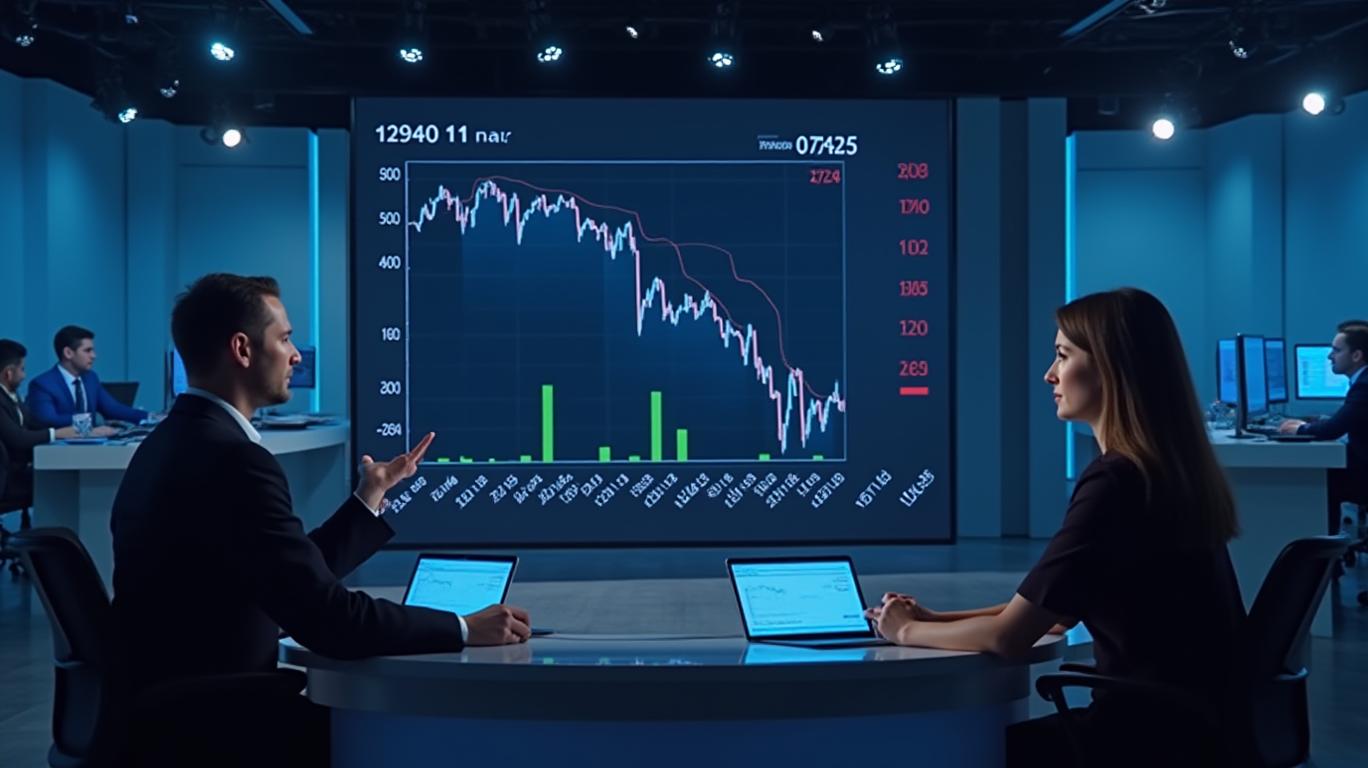
The Nasdaq's recent plunge on Monday, March 10, 2025, marked its worst single-day fall since September 2022, leaving investors scrambling to understand the underlying causes and potential recovery paths. The tech-heavy index tumbled over 4%, driven by a confluence of factors including recession fears, underperforming tech giants, and broader market volatility. Let's delve into the key factors contributing to this decline and explore strategies for investors to navigate this challenging landscape.
The Perfect Storm: Recession Fears and Tech Stock Underperformance
The primary catalyst for the Nasdaq's decline was the looming fear of a recession in the US. The Dow Jones fell over 1,000 points, the S&P 500 declined nearly 3%, and the Russell 2000 is on the verge of entering a bear market, having declined 18% from its recent highs. This broader market downturn created a risk-off sentiment, leading to a sell-off in tech stocks. The Nasdaq, being heavily weighted towards technology, was particularly vulnerable to this shift.
Tech giants like TeslaTSLA--, AlphabetGOOG--, MetaMETA--, and NvidiaNVDA-- experienced significant drops. Tesla's shares tumbled 15%, marking their worst single-day fall since 2020. Alphabet, Meta, and Nvidia each fell over 5%, with Nvidia now down over 30% from its recent peak. This underperformance highlights the vulnerability of the tech sector, which has been a key driver of the Nasdaq's performance.
Historical Context: Comparing 2025 to 2022
Comparing the current decline to the Nasdaq's previous worst day in 2022, we see similar factors at play. In 2022, the Nasdaq's decline was also driven by recession fears and the underperformance of tech stocks. However, the current decline is more severe, with the Nasdaq poised for its biggest single-day fall since September 2022. The tech giants are experiencing more significant drops in their share prices, indicating a deeper impact on the sector.
Economic Indicators and Recovery Trajectory
The current economic indicators, such as the decline in the S&P 500 and the Russell 2000, could significantly influence the Nasdaq's recovery trajectory in the coming months. The S&P 500 has declined nearly 3% and is down to a six-month low, nearing correction territory with a 9% decline from its top. The Russell 2000, which is on the verge of entering a bear market with an 18% decline from its recent highs, further suggests a challenging environment for smaller companies, which could also impact the Nasdaq's recovery.
The Nasdaq, being a tech-heavy index, is particularly sensitive to economic downturns and market volatility. The significant decline in tech giants like Tesla, Alphabet, Meta, and Nvidia, with Tesla tumbling 15% and Nvidia down over 30% from its recent peak, highlights the vulnerability of the tech sector. This sector's performance is crucial for the Nasdaq's recovery, as these companies are major contributors to the index.
Strategies for Investors
Given the recent performance of tech giants, investors can employ several strategies to mitigate risks and capitalize on potential opportunities within the tech sector. Diversification is key, as it helps spread risk. Investors should consider diversifying their portfolios to include other sectors that are less affected by the current market conditions. Value investing can also be a viable strategy, as shares of tech giants like Tesla and Nvidia are trading at a discount due to market volatility. Investors can look for undervalued stocks within the tech sector that have strong fundamentals.
Maintaining a long-term perspective is crucial. As Gina Bolvin, president of Bolvin Wealth Management Group, noted, "This is a headline-driven market; one that could change in an hour. Sit tight. Buckle up. We finally have the correction we were waiting for, and long-term investors will be rewarded again." Investors should avoid making impulsive decisions based on short-term market fluctuations and focus on the broader economic trends.
Sector rotation can also be a useful strategy. With the S&P 500 nearing correction territory and the Russell 2000 on the verge of entering a bear market, investors may consider rotating out of the tech sector and into other sectors that are less affected by the current market conditions. Hedging strategies, such as options or inverse ETFs, can help protect portfolios from further declines in the tech sector. Investors should keep a close eye on economic indicators, such as the yield on 10-year Treasuries and the dollar, to make more informed decisions about their investments in the tech sector.
Conclusion
The Nasdaq's recent decline highlights the challenges facing the tech sector in the current economic environment. While the road to recovery may be bumpy, investors can employ strategies such as diversification, value investing, and hedging to mitigate risks and capitalize on potential opportunities. By maintaining a long-term perspective and staying informed about economic indicators, investors can navigate this challenging landscape and position themselves for success.
META--
NVDA--
TSLA--
XVG--
The Nasdaq's recent plunge on Monday, March 10, 2025, marked its worst single-day fall since September 2022, leaving investors scrambling to understand the underlying causes and potential recovery paths. The tech-heavy index tumbled over 4%, driven by a confluence of factors including recession fears, underperforming tech giants, and broader market volatility. Let's delve into the key factors contributing to this decline and explore strategies for investors to navigate this challenging landscape.
The Perfect Storm: Recession Fears and Tech Stock Underperformance
The primary catalyst for the Nasdaq's decline was the looming fear of a recession in the US. The Dow Jones fell over 1,000 points, the S&P 500 declined nearly 3%, and the Russell 2000 is on the verge of entering a bear market, having declined 18% from its recent highs. This broader market downturn created a risk-off sentiment, leading to a sell-off in tech stocks. The Nasdaq, being heavily weighted towards technology, was particularly vulnerable to this shift.
Tech giants like TeslaTSLA--, AlphabetGOOG--, MetaMETA--, and NvidiaNVDA-- experienced significant drops. Tesla's shares tumbled 15%, marking their worst single-day fall since 2020. Alphabet, Meta, and Nvidia each fell over 5%, with Nvidia now down over 30% from its recent peak. This underperformance highlights the vulnerability of the tech sector, which has been a key driver of the Nasdaq's performance.
Historical Context: Comparing 2025 to 2022
Comparing the current decline to the Nasdaq's previous worst day in 2022, we see similar factors at play. In 2022, the Nasdaq's decline was also driven by recession fears and the underperformance of tech stocks. However, the current decline is more severe, with the Nasdaq poised for its biggest single-day fall since September 2022. The tech giants are experiencing more significant drops in their share prices, indicating a deeper impact on the sector.
Economic Indicators and Recovery Trajectory
The current economic indicators, such as the decline in the S&P 500 and the Russell 2000, could significantly influence the Nasdaq's recovery trajectory in the coming months. The S&P 500 has declined nearly 3% and is down to a six-month low, nearing correction territory with a 9% decline from its top. The Russell 2000, which is on the verge of entering a bear market with an 18% decline from its recent highs, further suggests a challenging environment for smaller companies, which could also impact the Nasdaq's recovery.
The Nasdaq, being a tech-heavy index, is particularly sensitive to economic downturns and market volatility. The significant decline in tech giants like Tesla, Alphabet, Meta, and Nvidia, with Tesla tumbling 15% and Nvidia down over 30% from its recent peak, highlights the vulnerability of the tech sector. This sector's performance is crucial for the Nasdaq's recovery, as these companies are major contributors to the index.
Strategies for Investors
Given the recent performance of tech giants, investors can employ several strategies to mitigate risks and capitalize on potential opportunities within the tech sector. Diversification is key, as it helps spread risk. Investors should consider diversifying their portfolios to include other sectors that are less affected by the current market conditions. Value investing can also be a viable strategy, as shares of tech giants like Tesla and Nvidia are trading at a discount due to market volatility. Investors can look for undervalued stocks within the tech sector that have strong fundamentals.
Maintaining a long-term perspective is crucial. As Gina Bolvin, president of Bolvin Wealth Management Group, noted, "This is a headline-driven market; one that could change in an hour. Sit tight. Buckle up. We finally have the correction we were waiting for, and long-term investors will be rewarded again." Investors should avoid making impulsive decisions based on short-term market fluctuations and focus on the broader economic trends.
Sector rotation can also be a useful strategy. With the S&P 500 nearing correction territory and the Russell 2000 on the verge of entering a bear market, investors may consider rotating out of the tech sector and into other sectors that are less affected by the current market conditions. Hedging strategies, such as options or inverse ETFs, can help protect portfolios from further declines in the tech sector. Investors should keep a close eye on economic indicators, such as the yield on 10-year Treasuries and the dollar, to make more informed decisions about their investments in the tech sector.
Conclusion
The Nasdaq's recent decline highlights the challenges facing the tech sector in the current economic environment. While the road to recovery may be bumpy, investors can employ strategies such as diversification, value investing, and hedging to mitigate risks and capitalize on potential opportunities. By maintaining a long-term perspective and staying informed about economic indicators, investors can navigate this challenging landscape and position themselves for success.

Divulgación editorial y transparencia de la IA: Ainvest News utiliza tecnología avanzada de Modelos de Lenguaje Largo (LLM) para sintetizar y analizar datos de mercado en tiempo real. Para garantizar los más altos estándares de integridad, cada artículo se somete a un riguroso proceso de verificación con participación humana.
Mientras la IA asiste en el procesamiento de datos y la redacción inicial, un miembro editorial profesional de Ainvest revisa, verifica y aprueba de forma independiente todo el contenido para garantizar su precisión y cumplimiento con los estándares editoriales de Ainvest Fintech Inc. Esta supervisión humana está diseñada para mitigar las alucinaciones de la IA y garantizar el contexto financiero.
Advertencia sobre inversiones: Este contenido se proporciona únicamente con fines informativos y no constituye asesoramiento profesional de inversión, legal o financiero. Los mercados conllevan riesgos inherentes. Se recomienda a los usuarios que realicen una investigación independiente o consulten a un asesor financiero certificado antes de tomar cualquier decisión. Ainvest Fintech Inc. se exime de toda responsabilidad por las acciones tomadas con base en esta información. ¿Encontró un error? Reportar un problema




Comentarios
Aún no hay comentarios