
NASA Rocket Launch: TOMEX+ Mission Set to Illuminate Mid-Atlantic Skies Tonight
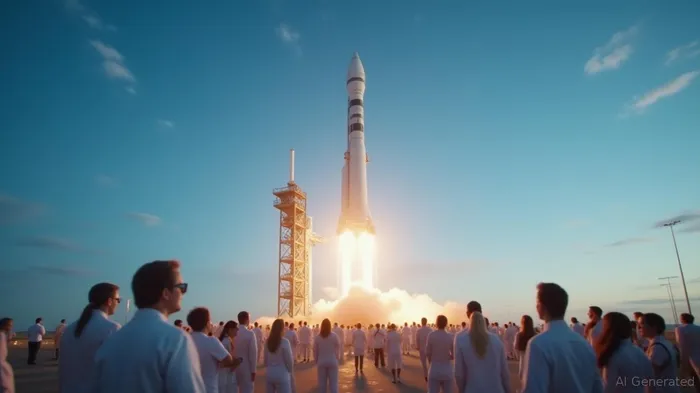
NASA is preparing for the upcoming TOMEX+ sounding rocket mission, following multiple attempts affected by adverse weather conditions. Originally set for August 24, the launch was rescheduled due to cloud cover and high seas, pushing the attempt to the week of August 26. The window for this atmospheric research extends through September 3, ensuring flexibility to account for great weather and recovery conditions.
The TOMEX+ mission, formally known as the Turbulent Oxygen Mixing Experiment Plus, seeks to explore the mesopause, a level of the Earth's atmosphere located between 53 and 65 miles above sea level, where temperatures can plummet to minus 148 degrees Fahrenheit. This region, often conceptualized as a transfer layer for energy from lower atmospheric weather patterns into space, fuels turbulence, potentially affecting satellite trajectories. As this area is beyond the reach of conventional weather balloons and below the orbit of satellites, NASA employs sounding rockets for direct assessment.
On the night of the launch, if weather permits, the ascent may be visible across several states in the mid-Atlantic region, including Southern Maryland and Baltimore. The vibrant vapor trails, produced by the initial two rockets, will contrast against the night sky, possibly visible to residents in the vicinity. The materials released, such as barium and lithium, are akin to those used in fireworks and should not pose a threat to health.
Approximately five minutes after the initial launch, a third rocket will discharge pulses utilizing a specialized laser. This technology will elucidate the path and interaction of the vapors within the upper atmosphere, offering a comprehensive view of the air flow dynamics. The laser, which targets naturally occurring sodium atoms, enables researchers to map disturbances in three dimensions.
The timeline for the mission is set to proceed between 10 p.m. and 3 a.m. on August 26. Live updates will be broadcasted from NASA's Wallops Flight Facility, allowing interested individuals to engage via live streams. Residents keen on observing the spectacle should pay attention to updates, particularly as launch conditions are presently contingent on cooperative weather.
From its inception in 2000 with the launch of a single rocket, the TOMEX mission has substantially evolved to incorporate modern scientific instrumentation and methodology, underlining NASA’s commitment to understanding the complexities of our planet's atmospheric conditions. The further deployment of these rockets aims to refine atmospheric models that have significant implications for weather forecasting, aviation safety, and satellite operations.
For those interested in tracking the mission, updates are available through NASA's Wallops Flight Facility’s online portals. The mission holds potential regional interest, promising a nocturnal display of humanity's relentless pursuit to understand and interact with the natural world.







Comentarios
Aún no hay comentarios