
NANO Nuclear's African Gamble: High-Risk, High-Reward, or a Nuclear Meltdown?
Investors, buckleBKE-- up! Today we're diving into a story that's equal parts thrilling and terrifying: Nano Nuclear Energy's (NASDAQ: NNE) partnership with Namibia to build a nuclear fuel supply chain. This is a classic case of high-stakes innovation clashing with the very real risk of shareholder dilution. Let's break it down—because if you're playing with fire, you'd better know where the exits are.
The Bold Vision: A Nuclear Powerhouse in Africa
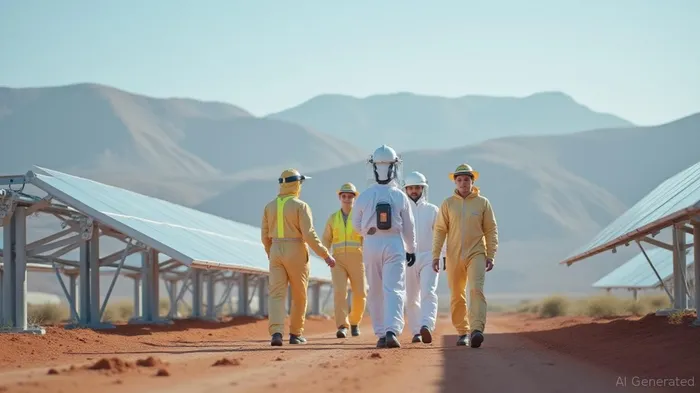
NANO Nuclear has struck a deal with Namibia's Industrial Development Agency (NIDA) to turn the uranium-rich country into a linchpin of the global nuclear fuel supply chain. The plan includes infrastructure development, workforce training, and tech transfers to help Namibia process and export high-assay low-enriched uranium (HALEU), a critical fuel for next-gen reactors. For NANO, this isn't just about securing resources—it's about positioning itself as a leader in the $500 billion clean energy transition.
But here's the catch: this is a moonshot. The project's success hinges on overcoming regulatory hurdles, securing funding, and navigating technical risks—all while Namibia's government and international partners stay on board.
The Money Question: Cash Now vs. Dilution Later
NANO's balance sheet looks sturdy for now. As of March 2025, it had $118.6 million in cash after raising $108.4 million in the first half of the year. Institutional heavyweights like BlackRock (adding $30.9 million in Q1) and State Street are doubling down, betting that this partnership will pay off. But the devil is in the details:
- The Good News: NANO isn't scrambling for cash today. Its war chest could fund operations for 18–24 months, buying time to secure contracts or government grants.
- The Bad News: The Namibia project's financial terms remain a black box. If costs balloon—or if delays force NANO to issue more shares—the company's existing investors could get diluted.
The Risks: A Nuclear “What If?”
Jim's Rule #1: When it's nuclear, assume the worst. Here's why this deal could go sideways:
- Regulatory Gridlock: NANO needs U.S. Department of Energy (DOE) licenses for its advanced reactors (like the KRONOS MMR) and Namibian approvals for uranium processing. Delays here could sink timelines—and investor patience.
- Tech Woes: Developing HALEU infrastructure and microreactors isn't plug-and-play. Cost overruns or design flaws (remember Theranos?) could derail the project.
- Investor Whiplash: While BlackRock is all-in, others like Heights Capital have fled entirely. This volatility suggests a “wait-and-see” crowd—ready to sell if red flags emerge.
The Bottom Line: A Gamble Worth Taking?
Here's where the rubber meets the road: This is a high-risk, high-reward play. If NANO nails the Namibia partnership—securing regulatory sign-offs, locking in contracts, and keeping costs in check—it could become a global nuclear powerhouse. The upside? Think uranium royalties, tech licensing fees, and a seat at the table for the $100+ billion small modular reactor (SMR) market.
But if things go south? Shareholders could watch their stakes evaporate as the company issues new shares or struggles to meet obligations.
Jim's Call:
- Buy if… You're a risk taker with a 3–5 year horizon. NANO's stock has already dipped on dilution fears, making it a bargain at current levels—if the vision pans out.
- Wait if… You're conservative. Hold off until NANO secures that DOE license (a key milestone) and publishes clearer financial terms for the Namibia project.
- Bail if… The company starts issuing shares recklessly or regulatory setbacks pile up.
Final Word: A Nuclear Roll of the Dice
NANO Nuclear's Namibia deal is like the energy sector's version of SpaceX landing on Mars—ambitious, game-changing, and terrifyingly risky. The company has the cash and institutional backing to try, but execution is everything. Investors should treat this as a “swing for the fences” bet: Load up with a small portion of your portfolio, but don't bet the farm.
The question isn't whether nuclear energy's future is bright—it is. The question is whether NANO can avoid becoming a cautionary tale. Keep your eyes on the DOE's next move, and pray they've got a lot more than just uranium in their plan.
This article is for informational purposes only. Always consult with a financial advisor before making investment decisions.







Comentarios
Aún no hay comentarios