
Musk's Tariff Dilemma: Tesla's Tariff Advantage or Disadvantage?
Generado por agente de IAWesley Park
miércoles, 26 de marzo de 2025, 7:51 pm ET2 min de lectura
TSLA--
Ladies and Gentlemen, buckle up! We're diving headfirst into the whirlwind of trade policy and corporate influence as we dissect the latest developments surrounding TeslaTSLA-- CEO Elon Musk and his dual role as a senior advisor to President Trump. The market is abuzz with the recent announcement of 25% tariffs on imported cars, and the question on everyone's mind is: Did Musk advise Trump on these tariffs, and if so, how will this impact Tesla's market position and profitability?
First things first, let's address the elephant in the room: Musk's influence on Trump's tariff decision. President Trump himself has stated that Musk did not advise him on the tariffs, but let's not forget that Musk's companies, including Tesla, stand to gain from these policies. Tesla's vehicles are manufactured in the United States, which means they won't be subject to these tariffs. This could give Tesla a competitive advantage over foreign automakers, who will now face higher costs and potentially pass those on to consumers.
But here's where it gets tricky: Tesla still imports parts and components from foreign suppliers. These imports will be subject to the 25% tariffs, which could increase Tesla's production costs and potentially lead to higher prices for consumers. Tesla has already urged the U.S. Trade Representative to consider the downstream impacts of these tariffs, suggesting that the company is aware of the potential negative effects on its business.
Now, let's talk about the potential conflicts of interest that arise from Musk's dual role. As a senior advisor to Trump, Musk has a significant influence on policy decisions that could directly impact Tesla's business. This raises concerns about favoritism and the potential for decisions that benefit Musk's companies at the expense of others. For example, the appointment of Musk-connected individuals to senior roles within federal agencies, such as Tom Krause at the Treasury Department and Amanda Scales at the Office of Personnel Management, could lead to decisions that benefit Tesla while disadvantaging competitors.
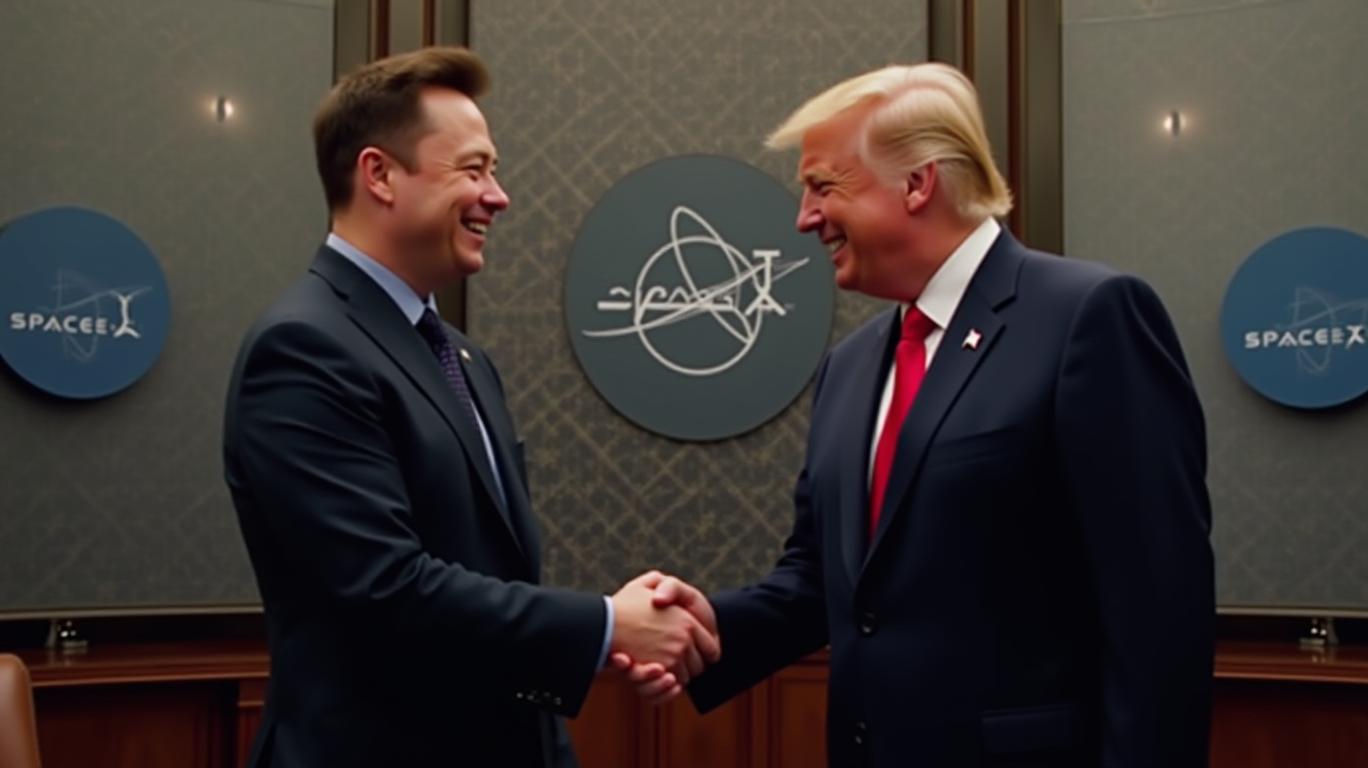
But let's not forget about the market reaction to these tariffs. Tesla's stock has seen a 48% decline since its peak in December, and the recent tariffs announcement has only added to the volatility. Tesla's Model Y sport utility vehicle and Model 3 sedan were the two best-selling electric vehicles in the United States last year, but the company faces an onslaught of competition with more automakers selling fully electric models than ever before. The tariffs could make it more difficult for Tesla to compete with foreign automakers that have lower production costs.
So, what's the bottom line? Tesla could benefit from the tariffs in the short term, but the long-term impact remains uncertain. The increased production costs and potential for higher prices for consumers could make it more difficult for Tesla to compete with foreign automakers. And with Musk's dual role as a senior advisor to Trump and CEO of Tesla, the potential for conflicts of interest is a real concern.
In conclusion, the recent tariffs announcement and Musk's dual role as a senior advisor to Trump and CEO of Tesla raise important questions about the potential for conflicts of interest and the impact on Tesla's market position and profitability. As investors, it's crucial to stay informed and vigilant in the face of these developments. So, keep your eyes on the market, and remember: This is a no-brainer!
Ladies and Gentlemen, buckle up! We're diving headfirst into the whirlwind of trade policy and corporate influence as we dissect the latest developments surrounding TeslaTSLA-- CEO Elon Musk and his dual role as a senior advisor to President Trump. The market is abuzz with the recent announcement of 25% tariffs on imported cars, and the question on everyone's mind is: Did Musk advise Trump on these tariffs, and if so, how will this impact Tesla's market position and profitability?
First things first, let's address the elephant in the room: Musk's influence on Trump's tariff decision. President Trump himself has stated that Musk did not advise him on the tariffs, but let's not forget that Musk's companies, including Tesla, stand to gain from these policies. Tesla's vehicles are manufactured in the United States, which means they won't be subject to these tariffs. This could give Tesla a competitive advantage over foreign automakers, who will now face higher costs and potentially pass those on to consumers.
But here's where it gets tricky: Tesla still imports parts and components from foreign suppliers. These imports will be subject to the 25% tariffs, which could increase Tesla's production costs and potentially lead to higher prices for consumers. Tesla has already urged the U.S. Trade Representative to consider the downstream impacts of these tariffs, suggesting that the company is aware of the potential negative effects on its business.
Now, let's talk about the potential conflicts of interest that arise from Musk's dual role. As a senior advisor to Trump, Musk has a significant influence on policy decisions that could directly impact Tesla's business. This raises concerns about favoritism and the potential for decisions that benefit Musk's companies at the expense of others. For example, the appointment of Musk-connected individuals to senior roles within federal agencies, such as Tom Krause at the Treasury Department and Amanda Scales at the Office of Personnel Management, could lead to decisions that benefit Tesla while disadvantaging competitors.
But let's not forget about the market reaction to these tariffs. Tesla's stock has seen a 48% decline since its peak in December, and the recent tariffs announcement has only added to the volatility. Tesla's Model Y sport utility vehicle and Model 3 sedan were the two best-selling electric vehicles in the United States last year, but the company faces an onslaught of competition with more automakers selling fully electric models than ever before. The tariffs could make it more difficult for Tesla to compete with foreign automakers that have lower production costs.
So, what's the bottom line? Tesla could benefit from the tariffs in the short term, but the long-term impact remains uncertain. The increased production costs and potential for higher prices for consumers could make it more difficult for Tesla to compete with foreign automakers. And with Musk's dual role as a senior advisor to Trump and CEO of Tesla, the potential for conflicts of interest is a real concern.
In conclusion, the recent tariffs announcement and Musk's dual role as a senior advisor to Trump and CEO of Tesla raise important questions about the potential for conflicts of interest and the impact on Tesla's market position and profitability. As investors, it's crucial to stay informed and vigilant in the face of these developments. So, keep your eyes on the market, and remember: This is a no-brainer!

Divulgación editorial y transparencia de la IA: Ainvest News utiliza tecnología avanzada de Modelos de Lenguaje Largo (LLM) para sintetizar y analizar datos de mercado en tiempo real. Para garantizar los más altos estándares de integridad, cada artículo se somete a un riguroso proceso de verificación con participación humana.
Mientras la IA asiste en el procesamiento de datos y la redacción inicial, un miembro editorial profesional de Ainvest revisa, verifica y aprueba de forma independiente todo el contenido para garantizar su precisión y cumplimiento con los estándares editoriales de Ainvest Fintech Inc. Esta supervisión humana está diseñada para mitigar las alucinaciones de la IA y garantizar el contexto financiero.
Advertencia sobre inversiones: Este contenido se proporciona únicamente con fines informativos y no constituye asesoramiento profesional de inversión, legal o financiero. Los mercados conllevan riesgos inherentes. Se recomienda a los usuarios que realicen una investigación independiente o consulten a un asesor financiero certificado antes de tomar cualquier decisión. Ainvest Fintech Inc. se exime de toda responsabilidad por las acciones tomadas con base en esta información. ¿Encontró un error? Reportar un problema


SOBRE NOSOTROS
Nuestra historiaAutores de noticiasBase de conocimientosPolítica de privacidadTérmino de usoDescargo de responsabilidad de corretaje de tercerosTérminos de uso de AIMEDivulgaciones de riesgos de AInvest AICarrerasCONTÁCTENOS
Email: support@ainvest.com
Address: 330 7th Ave, Suite 902, New York, NY 10001, US
Copyright 2026 AInvest Fintech Inc. All rights reserved.


Comentarios
Aún no hay comentarios