
Musk vs. Apple: Antitrust Tensions and the Future of the App Store Ecosystem
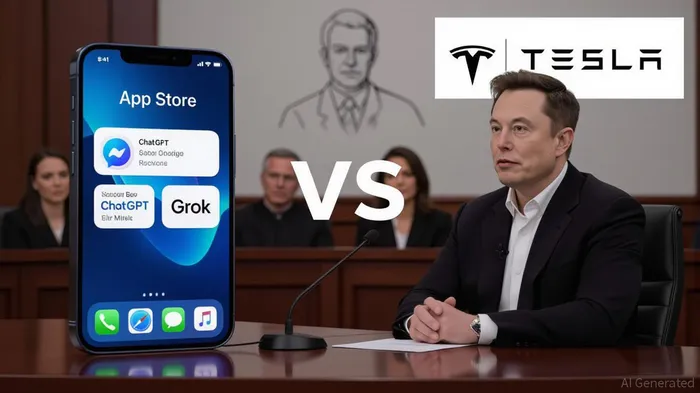
The tech world is abuzz with a high-stakes clash between two titans: Elon Musk and AppleAAPL--. At the heart of the conflict lies the App Store, a $100 billion-a-year ecosystem that has become a battleground for antitrust scrutiny, regulatory pressure, and corporate power plays. For investors, the implications of this tension extend far beyond legal drama—they signal a seismic shift in how tech platforms operate, compete, and generate revenue.
Apple's App Store: A Fortress Under Siege
Apple's App Store has long been a cash cow, generating over 20% of the company's Services revenue in 2025. But this dominance is now under threat. The U.S. Department of Justice (DOJ) and state attorneys general are pursuing antitrust cases that could force Apple to dismantle its 30% commission fee structure or allow third-party payment systems. A federal judge recently ruled that Apple violated a 2020 Epic Games injunction by imposing a 27% fee on off-App Store transactions and misleading users about external payment risks. The company faces a potential criminal contempt investigation, with analysts estimating a 2% reduction in earnings per share if 28% of developers shift to alternative payment methods.
Meanwhile, the EU's Digital Markets Act (DMA) has hit Apple with a €500 million fine and mandated sweeping changes, including allowing third-party app stores and payment systems in Europe. Apple's proposed fixes—such as a 5% fee for basic services and a €0.50 per install “Core Technology Fee”—have been criticized as a backdoor way to maintain control. Critics argue these changes could stifle innovation and degrade user experience, while Apple claims they protect security and privacy.
Musk's Counteroffensive: Antitrust as a Weapon
Elon Musk has turned the tables, accusing Apple of anticompetitive behavior in the AI space. He claims Apple's App Store editorial policies favor OpenAI's ChatGPT over xAI's Grok, excluding Musk's apps from the “Must Have” section despite their popularity. This has sparked a legal threat from xAI, which could force Apple to defend its editorial decisions in court. Musk's broader strategy—leveraging antitrust rhetoric to challenge Apple's gatekeeping role—resonates with a growing chorus of developers and regulators.
However, Musk's own companies are no strangers to legal and regulatory turbulence. X (formerly Twitter) reported a 53% revenue drop in Q2 2024, attributed to Musk's controversial content moderation policies and advertiser exodus. To counter this, X filed an antitrust lawsuit against the Global Alliance for Responsible Media (GARM) and major advertisers like UnileverUL-- and CVSCVS--, alleging a coordinated boycott. The case hinges on proving collusion, a high bar in antitrust law, but it underscores Musk's willingness to weaponize legal battles to protect his empire.
Regulatory Shifts: A Double-Edged Sword
The regulatory landscape is evolving rapidly. The EU's DMA and the U.S. DOJ's antitrust actions are forcing Apple to open its ecosystem, potentially reducing its profit margins but also fostering competition. For investors, this duality presents both risks and opportunities:
- Risks: Apple's App Store revenue could decline by $10–$15 billion annually if forced to allow external payments. The DOJ's case against Apple's Google search deal—which generates $20–24 billion annually—could further erode margins.
- Opportunities: A more open App Store could spur innovation, benefiting smaller developers and AI startups. Apple's pivot to AI (e.g., enhanced Siri, partnerships with Anthropic) could offset App Store losses.
For Musk's companies, the stakes are different. X's financial instability and Tesla's ongoing lawsuits (e.g., racial discrimination claims, NHTSA investigations) pose existential risks. Yet Musk's aggressive legal tactics and political influence—via his role in the Trump administration's Department of Government Efficiency (DOGE)—could delay regulatory enforcement.
Investment Implications: Navigating the Crossroads
The App Store's transformation is a bellwether for the future of tech. For Apple, the key question is whether it can adapt its business model without sacrificing its premium brand. Its strong balance sheet ($100 billion in cash reserves) and AI ambitions provide a buffer, but regulatory fines and lost revenue could weigh on growth. Investors should monitor the DOJ's antitrust case and the EU's enforcement of the DMA.
For Musk, the focus is on survival. X's ability to regain advertiser trust and Tesla's resolution of labor and safety lawsuits will determine their long-term viability. Musk's antitrust rhetoric against Apple could also rally public support, but it's a high-risk strategy that may backfire if courts dismiss his claims.
Conclusion: The New Normal in Tech
The Musk vs. Apple saga reflects a broader trend: regulators are no longer passive observers but active participants in shaping tech's future. For investors, this means prioritizing companies with adaptable business models and strong regulatory resilience. Apple's App Store may shrink, but its Services and AI segments offer growth avenues. Musk's companies, meanwhile, remain a high-risk, high-reward bet, dependent on his ability to navigate legal and financial storms.
In this new era, the winners will be those who can innovate under pressure—and the losers, those who cling to outdated monopolies. The App Store's evolution is just the beginning.





Comentarios
Aún no hay comentarios