
Municipal Infrastructure Development in Webster, NY: A New Era of Economic Growth
A Strategic Infrastructure Overhaul
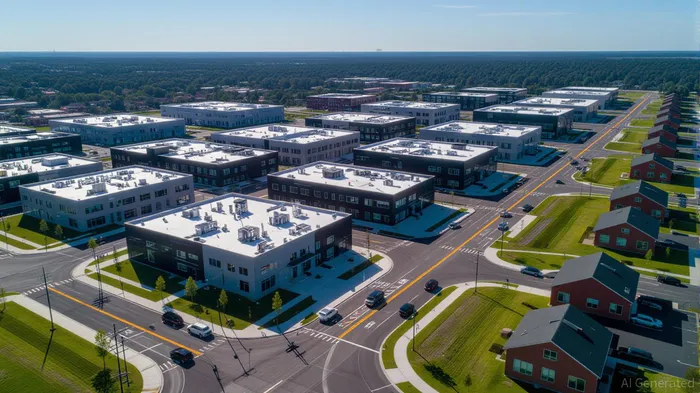
Webster's industrial corridor is undergoing a $9.8 million infrastructure upgrade under the FAST NY grant program, targeting roadways, sewer systems, and electrical grids at the Xerox Wilson Campus. This $300-acre brownfield site, once a symbol of industrial decline, is now a focal point for advanced manufacturing and food processing. The upgrades are not merely cosmetic; they are foundational to attracting capital-intensive projects like the $650 million Fairlife® production facility, which is under construction and expected to create 250 high-paying jobs by late 2025. Such projects underscore the importance of modernized infrastructure in reducing operational costs and enhancing the competitiveness of industrial zones.
The Village of Webster has also secured $4.5 million through the NY Forward Program to revitalize its downtown area, with a focus on walkability and cultural amenities. While this initiative primarily targets commercial and residential revitalization, its indirect benefits for industrial corridors are significant. Improved connectivity and a more attractive urban environment can enhance workforce accessibility and quality of life, making the region more appealing to industries reliant on skilled labor.
Brownfield Redevelopment: Unlocking Hidden Value
The Reimagine Webster Master Plan has identified over 569 acres of underutilized industrial properties, many classified as Brownfield Opportunity Areas. These sites, often contaminated or underinvested, are now prime candidates for redevelopment, supported by state funding for remediation. A standout example is an 88-acre campus within the Xerox complex, earmarked for a mixed-use neighborhood with 500 housing units and 200,000 square feet of commercial space. Such projects not only address environmental liabilities but also create diversified economic ecosystems, blending residential, retail, and industrial functions.
The Webster Economic Access Project further amplifies this potential by securing $1.8 million to transfer control of key industrial roads to the Village. This move streamlines future development by reducing bureaucratic hurdles and ensuring infrastructure aligns with long-term growth plans. For investors, these efforts signal a commitment to creating "shovel-ready" sites-properties that require minimal upfront investment but offer immediate scalability.
Industrial Corridor Resilience and Investment Potential
Webster's industrial corridors are already outperforming many established manufacturing hubs. With a vacancy rate of just 2%, the region's industrial real estate is in high demand, driven by its strategic location near Rochester and its proximity to major transportation networks. This low vacancy rate, combined with infrastructure upgrades, positions Webster as a magnet for industries like advanced manufacturing and logistics.
The ongoing West Webster Hamlet Revitalization and Sandbar Waterfront projects further enhance the region's appeal by improving pedestrian access and waterfront connectivity. These amenities are not incidental; they are part of a broader strategy to create a live-work-play environment that attracts both talent and capital. For instance, the Sandbar Waterfront project is expected to drive property value appreciation, creating a ripple effect that benefits adjacent industrial zones.
A Call for Strategic Investment
The convergence of infrastructure upgrades, brownfield remediation, and industrial demand creates a compelling case for investors. However, success hinges on timing and specificity. Early-stage investments in underutilized properties-particularly those designated as Brownfield Opportunity Areas-offer the potential for outsized returns as these sites transition from liabilities to assets. Similarly, logistics and manufacturing firms that secure prime locations in Webster's industrial corridors before full-scale development could benefit from first-mover advantages in a rapidly appreciating market.
For policymakers and developers, the lesson is clear: infrastructure is not just a cost-it is an enabler of economic transformation. Webster's experience demonstrates that when infrastructure investments are aligned with long-term urban planning and environmental remediation, they can unlock value across multiple asset classes.
Conclusion
Webster, NY, is at the forefront of a new era in municipal development, where infrastructure is reimagined as a catalyst for inclusive growth and investment. For those attuned to the signals-low vacancy rates, state-backed remediation programs, and a surge in private-sector commitments-the opportunities are both tangible and transformative. As the Village moves toward its 2025 milestones, the industrial corridors of Webster will not only redefine the local economy but also serve as a model for how underappreciated assets can be repositioned for the future.







Comentarios
Aún no hay comentarios