
"Multiple authorities investigate alleged arson attack on Bayer executive's NJ home"
Generado por agente de IAHarrison Brooks
viernes, 7 de marzo de 2025, 5:43 pm ET2 min de lectura
ANSC--
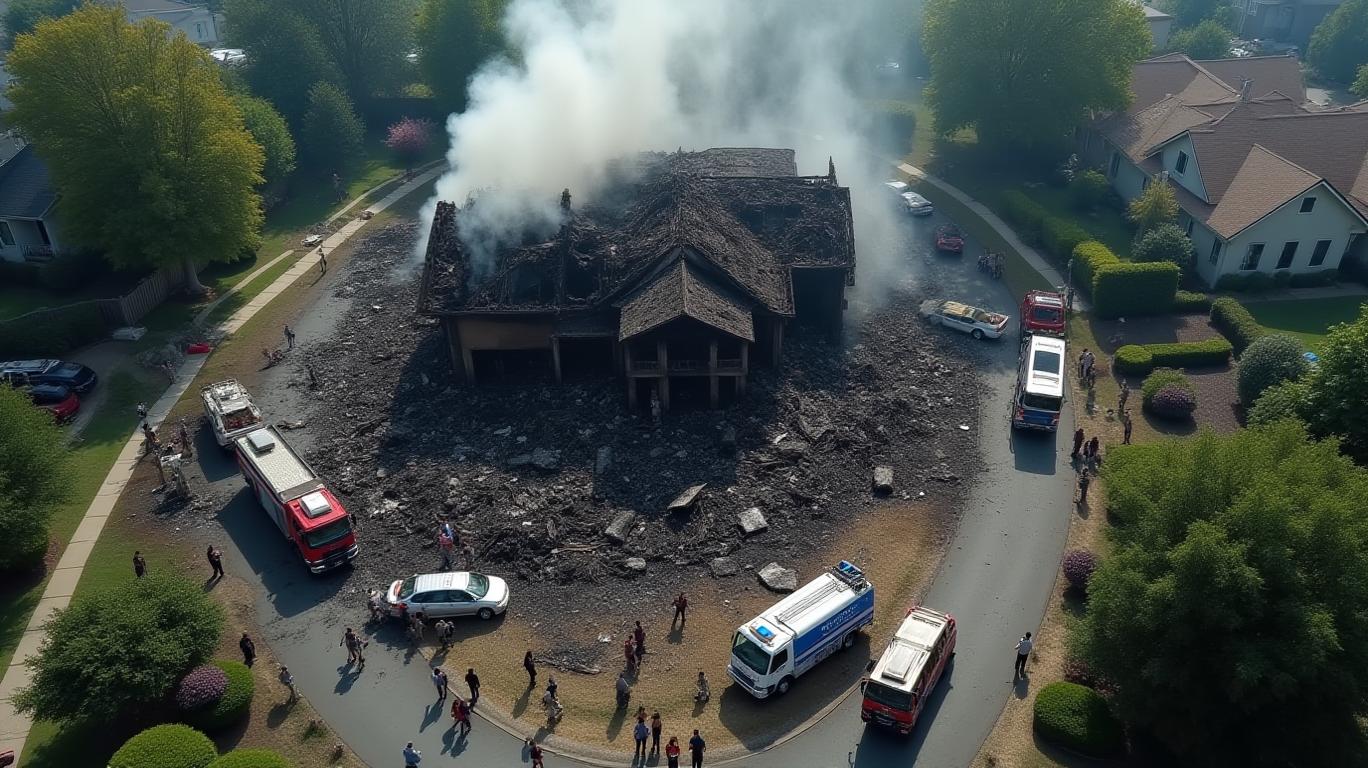
In the quiet, affluent neighborhood of New Jersey, a shocking incident has unfolded, sending ripples of concern through the corporate world and beyond. The home of a prominent Bayer executive was targeted in an alleged arson attack, an event that has sparked a multi-agency investigation and raised serious questions about corporate security and the rising tide of hate crimes.
The attack, which occurred early on Friday, involved the torching of two cars and the splashing of red paint on a house in Sydney’s eastern suburbs. The home, previously owned by Executive Council of Australian Jewry co-chief executive Alex Ryvchin, was defaced with anti-Jewish slogans, a chilling reminder of the escalating antisemitism that has plagued the region. Residents reported that the current occupants were not Jewish, suggesting a case of mistaken identity or a broader campaign of intimidation.
The incident has drawn condemnation from political leaders and community figures alike. NSW PremierPINC-- Chris Minns described the attack as a "disgusting and dangerous act of violence," while NSW Police Minister Yasmin Catley vowed that such hatred would not be tolerated. The Jewish community, already on edge from previous attacks, expressed a mix of fear and exhaustion. "It’s becoming untenable – it’s relentless, we feel exhausted," said one local resident, Laura Tate.
The investigation into the arson attack is being led by multiple authorities, including the NSW Police Force, which has taken hate crimes seriously. The attack follows a series of antisemitic incidents, including the arson and graffiti attack on a synagogue in Newtown and the firebombing of a Melbourne synagogue in December. These events have raised concerns about the safety of Jewish communities and the broader implications for corporate entities with high-profile executives.
For Bayer, the incident poses significant risks. The company, already grappling with massMASS-- litigation in the US over its Roundup weedkiller and slumping prices for agricultureANSC-- products, now faces the potential fallout from this hate crime. The financial and reputational risks are substantial, as the company could be perceived as being associated with or condoning such acts. This could lead to a loss of business and a decrease in investor confidence, negatively impacting the company's stock performance.
The investigation into the arson attack could also reveal vulnerabilities in Bayer's cybersecurity measures, which could be exploited by plaintiffs in the Roundup litigation. The company has already faced a cyberattack that involved the Winnti malware, tied to a Chinese-based hacking group known as Wicked Panda. This incident underscores the need for enhanced cybersecurity measures and information protection protocols.
To mitigate these risks, Bayer could invest in advanced cybersecurity technologies, conduct regular security audits, and develop a comprehensive incident response plan. Collaboration with organizations like DCSOCCSO-- (Deutsche Cyber-Sicherheitsorganisation GmbH) could also play a crucial role in enhancing the company's cybersecurity posture. DCSO acts as a competence center, helping its member companies improve their security architecture and detect and fend off cyberattacks.
The alleged arson attack on the executive's home is a stark reminder of the broader systemic risks that corporations face in today's world. It highlights the need for vigilance, proactive measures, and a commitment to promoting diversity, equity, and inclusion. As Bayer navigates these challenges, it will be crucial for the company to address the potential financial and reputational risks and reassure investors and stakeholders that it is committed to safeguarding against future threats.
CCSO--
MASS--
PINC--
In the quiet, affluent neighborhood of New Jersey, a shocking incident has unfolded, sending ripples of concern through the corporate world and beyond. The home of a prominent Bayer executive was targeted in an alleged arson attack, an event that has sparked a multi-agency investigation and raised serious questions about corporate security and the rising tide of hate crimes.
The attack, which occurred early on Friday, involved the torching of two cars and the splashing of red paint on a house in Sydney’s eastern suburbs. The home, previously owned by Executive Council of Australian Jewry co-chief executive Alex Ryvchin, was defaced with anti-Jewish slogans, a chilling reminder of the escalating antisemitism that has plagued the region. Residents reported that the current occupants were not Jewish, suggesting a case of mistaken identity or a broader campaign of intimidation.
The incident has drawn condemnation from political leaders and community figures alike. NSW PremierPINC-- Chris Minns described the attack as a "disgusting and dangerous act of violence," while NSW Police Minister Yasmin Catley vowed that such hatred would not be tolerated. The Jewish community, already on edge from previous attacks, expressed a mix of fear and exhaustion. "It’s becoming untenable – it’s relentless, we feel exhausted," said one local resident, Laura Tate.
The investigation into the arson attack is being led by multiple authorities, including the NSW Police Force, which has taken hate crimes seriously. The attack follows a series of antisemitic incidents, including the arson and graffiti attack on a synagogue in Newtown and the firebombing of a Melbourne synagogue in December. These events have raised concerns about the safety of Jewish communities and the broader implications for corporate entities with high-profile executives.
For Bayer, the incident poses significant risks. The company, already grappling with massMASS-- litigation in the US over its Roundup weedkiller and slumping prices for agricultureANSC-- products, now faces the potential fallout from this hate crime. The financial and reputational risks are substantial, as the company could be perceived as being associated with or condoning such acts. This could lead to a loss of business and a decrease in investor confidence, negatively impacting the company's stock performance.
The investigation into the arson attack could also reveal vulnerabilities in Bayer's cybersecurity measures, which could be exploited by plaintiffs in the Roundup litigation. The company has already faced a cyberattack that involved the Winnti malware, tied to a Chinese-based hacking group known as Wicked Panda. This incident underscores the need for enhanced cybersecurity measures and information protection protocols.
To mitigate these risks, Bayer could invest in advanced cybersecurity technologies, conduct regular security audits, and develop a comprehensive incident response plan. Collaboration with organizations like DCSOCCSO-- (Deutsche Cyber-Sicherheitsorganisation GmbH) could also play a crucial role in enhancing the company's cybersecurity posture. DCSO acts as a competence center, helping its member companies improve their security architecture and detect and fend off cyberattacks.
The alleged arson attack on the executive's home is a stark reminder of the broader systemic risks that corporations face in today's world. It highlights the need for vigilance, proactive measures, and a commitment to promoting diversity, equity, and inclusion. As Bayer navigates these challenges, it will be crucial for the company to address the potential financial and reputational risks and reassure investors and stakeholders that it is committed to safeguarding against future threats.

Divulgación editorial y transparencia de la IA: Ainvest News utiliza tecnología avanzada de Modelos de Lenguaje Largo (LLM) para sintetizar y analizar datos de mercado en tiempo real. Para garantizar los más altos estándares de integridad, cada artículo se somete a un riguroso proceso de verificación con participación humana.
Mientras la IA asiste en el procesamiento de datos y la redacción inicial, un miembro editorial profesional de Ainvest revisa, verifica y aprueba de forma independiente todo el contenido para garantizar su precisión y cumplimiento con los estándares editoriales de Ainvest Fintech Inc. Esta supervisión humana está diseñada para mitigar las alucinaciones de la IA y garantizar el contexto financiero.
Advertencia sobre inversiones: Este contenido se proporciona únicamente con fines informativos y no constituye asesoramiento profesional de inversión, legal o financiero. Los mercados conllevan riesgos inherentes. Se recomienda a los usuarios que realicen una investigación independiente o consulten a un asesor financiero certificado antes de tomar cualquier decisión. Ainvest Fintech Inc. se exime de toda responsabilidad por las acciones tomadas con base en esta información. ¿Encontró un error? Reportar un problema




Comentarios
Aún no hay comentarios