
MSG Networks Offers Binding Arbitration to Resolve Altice Dispute
Generado por agente de IAWesley Park
martes, 21 de enero de 2025, 7:59 pm ET1 min de lectura
ATUS--
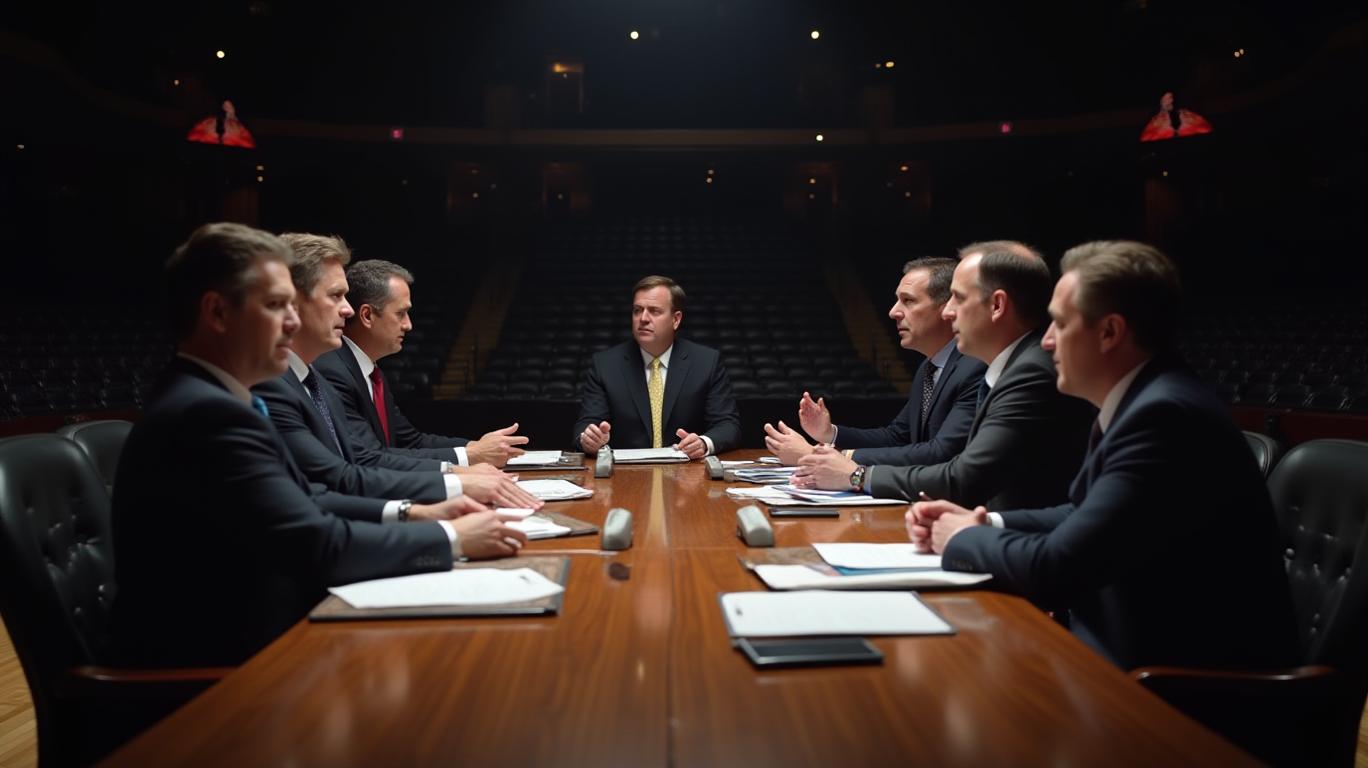
MSG Networks has proposed a solution to its ongoing carriage dispute with Altice USA by offering binding arbitration through a neutral third party. The company aims to prevent Optimum subscribers from missing more Knicks, Rangers, Devils, and Islanders games while the dispute is resolved. This approach provides a structured framework for negotiations that could lead to agreement terms being reached more quickly than through traditional negotiation methods. Additionally, the temporary content restoration during the arbitration process would minimize immediate revenue impact for both parties, allowing them to focus on reaching a resolution without the pressure of a blackout.
The escalation to binding arbitration in the MSG Networks-Altice dispute represents a strategic shift in the ongoing content distribution standoff. Carriage disputes typically result in subscriber losses for cable operators and reduced advertising revenue for content providers, making swift resolution important for both parties. The timing is particularly critical given the mid-season status of NBA and NHL games, which are prime revenue generators. Historical data from similar disputes shows that prolonged blackouts can lead to significant customer churn for cable operators, often ranging in the low single-digit percentages of affected subscribers.
MSG's tactical move to offer binding arbitration serves multiple purposes: 1) It positions MSG as being proactive in seeking resolution, potentially strengthening their public relations stance 2) It provides a structured framework for negotiations that could expedite agreement terms 3) It offers temporary content restoration during the arbitration process, minimizing immediate revenue impact.
For investors, this development suggests a potential near-term resolution pathway, though the final terms reached through arbitration could have lasting implications for both companies' revenue models. The outcome will likely influence future carriage fee negotiations across the industry, particularly for regional sports networks facing similar challenges in the evolving media landscape.
MSGS--
MSG Networks has proposed a solution to its ongoing carriage dispute with Altice USA by offering binding arbitration through a neutral third party. The company aims to prevent Optimum subscribers from missing more Knicks, Rangers, Devils, and Islanders games while the dispute is resolved. This approach provides a structured framework for negotiations that could lead to agreement terms being reached more quickly than through traditional negotiation methods. Additionally, the temporary content restoration during the arbitration process would minimize immediate revenue impact for both parties, allowing them to focus on reaching a resolution without the pressure of a blackout.
The escalation to binding arbitration in the MSG Networks-Altice dispute represents a strategic shift in the ongoing content distribution standoff. Carriage disputes typically result in subscriber losses for cable operators and reduced advertising revenue for content providers, making swift resolution important for both parties. The timing is particularly critical given the mid-season status of NBA and NHL games, which are prime revenue generators. Historical data from similar disputes shows that prolonged blackouts can lead to significant customer churn for cable operators, often ranging in the low single-digit percentages of affected subscribers.
MSG's tactical move to offer binding arbitration serves multiple purposes: 1) It positions MSG as being proactive in seeking resolution, potentially strengthening their public relations stance 2) It provides a structured framework for negotiations that could expedite agreement terms 3) It offers temporary content restoration during the arbitration process, minimizing immediate revenue impact.
For investors, this development suggests a potential near-term resolution pathway, though the final terms reached through arbitration could have lasting implications for both companies' revenue models. The outcome will likely influence future carriage fee negotiations across the industry, particularly for regional sports networks facing similar challenges in the evolving media landscape.

Divulgación editorial y transparencia de la IA: Ainvest News utiliza tecnología avanzada de Modelos de Lenguaje Largo (LLM) para sintetizar y analizar datos de mercado en tiempo real. Para garantizar los más altos estándares de integridad, cada artículo se somete a un riguroso proceso de verificación con participación humana.
Mientras la IA asiste en el procesamiento de datos y la redacción inicial, un miembro editorial profesional de Ainvest revisa, verifica y aprueba de forma independiente todo el contenido para garantizar su precisión y cumplimiento con los estándares editoriales de Ainvest Fintech Inc. Esta supervisión humana está diseñada para mitigar las alucinaciones de la IA y garantizar el contexto financiero.
Advertencia sobre inversiones: Este contenido se proporciona únicamente con fines informativos y no constituye asesoramiento profesional de inversión, legal o financiero. Los mercados conllevan riesgos inherentes. Se recomienda a los usuarios que realicen una investigación independiente o consulten a un asesor financiero certificado antes de tomar cualquier decisión. Ainvest Fintech Inc. se exime de toda responsabilidad por las acciones tomadas con base en esta información. ¿Encontró un error? Reportar un problema




Comentarios
Aún no hay comentarios