
MSG Networks and Altice USA: A Dispute That's Costing Sports Fans
Generado por agente de IAWesley Park
lunes, 10 de febrero de 2025, 6:44 pm ET2 min de lectura
ATUS--
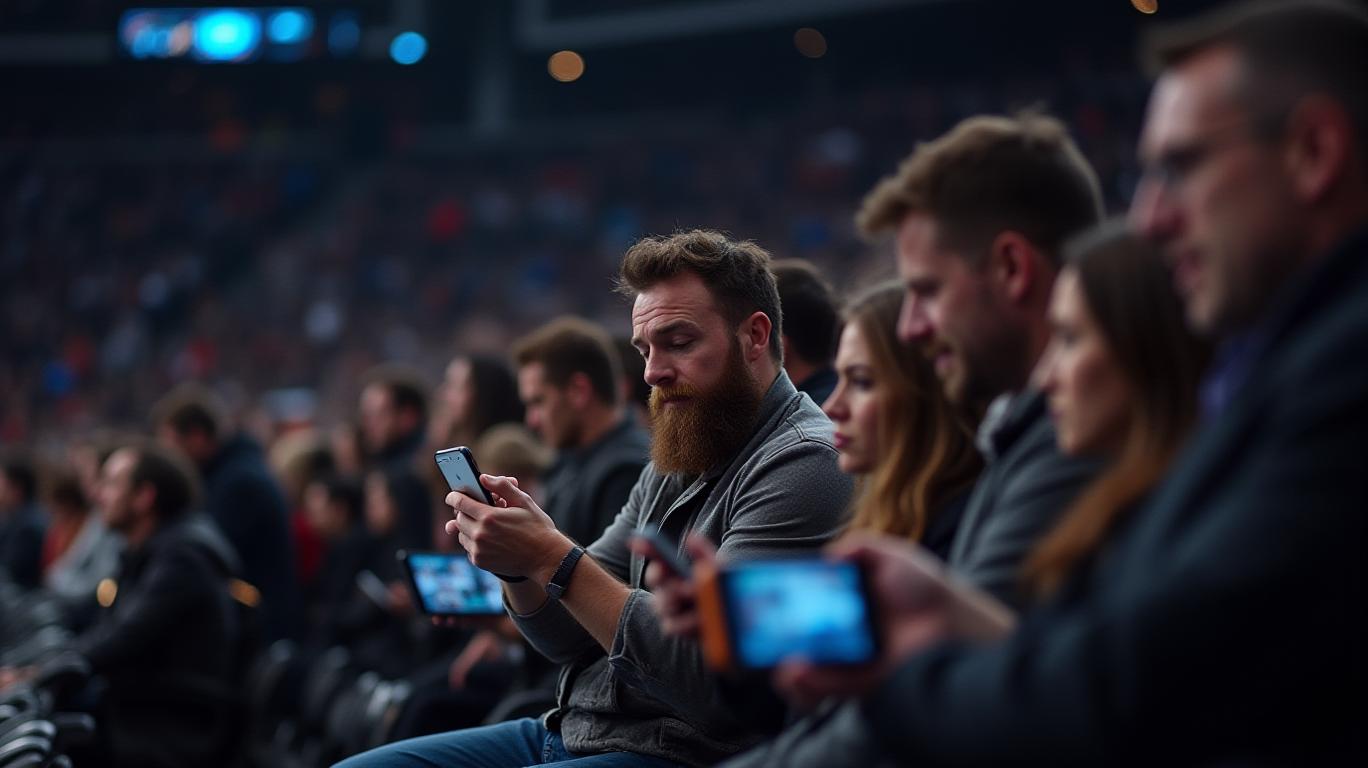
As the carriage dispute between MSG Networks and Altice USA drags on, sports fans in the tri-state area are left in the lurch, unable to watch their favorite teams in action. The blackout, which began on January 1, 2025, has affected approximately 2.5 million Optimum subscribers, leaving them without access to Knicks, Rangers, Islanders, and Devils games during peak NBA and NHL seasons.
The dispute centers around exorbitant programming fees demanded by MSG Networks and their insistence on making their channels available to the majority of video subscribers, regardless of whether they want the content or not. Altice USA, on the other hand, has accused MSG Networks of overcharging consumers and forcing non-viewers to pay for content they don't watch.
The prolonged blackout has significant implications for both parties and the broader sports media landscape. With NBA games averaging 120,000 viewers per broadcast and NHL games drawing 85,000 viewers in the region, the disruption threatens substantial advertising revenue and could accelerate the shift toward streaming alternatives. The blackout's impact extends beyond immediate viewer disruption, affecting team valuations and regional sports network (RSN) ecosystem stability.
MSG Networks' Executive Chairman acknowledged the fragility of the traditional RSN model, stating, "The increased number of exclusive and non-exclusive games [under the new deal] means that national partners would have the ability to air nearly half of the regular season and all postseason games. This reduction in available games could lead to a decline in viewership and advertising revenue for the affected teams and networks.
To resolve the dispute and minimize the negative impact on subscribers and sports fans, MSG Networks and Altice USA could explore the following strategic alternatives:
1. Negotiate a fair and flexible carriage agreement: MSG Networks could offer Altice USA a more flexible carriage agreement, allowing Optimum subscribers to choose whether or not they want to pay for MSG Networks' content. This would address the concern of non-viewers being forced to pay for content they don't watch. Altice USA could agree to pay a fair price for MSG Networks' content, rather than demanding exorbitant fees. This would help maintain the affordability of Optimum's packages for subscribers.
2. Offer direct-to-consumer options: MSG Networks could promote its Gotham Sports app as an alternative for fans who want to watch their favorite teams but don't want to pay for a full cable package. Altice USA could offer to offset or defray the costs of the Gotham Sports app for customers who wish to subscribe, making it more affordable for fans.
3. Partner with other streaming services or providers: MSG Networks could explore partnerships with other streaming services or providers to offer its content to a wider audience, reducing the dependence on traditional cable providers like Altice USA. Altice USA could partner with other content providers to offer a more diverse range of sports and entertainment options to its subscribers, mitigating the impact of losing MSG Networks' content.
4. Address the underlying issues in the RSN model: Both parties could acknowledge the fragility and outdated nature of the regional sports network (RSN) model and work together to find innovative solutions that better serve customers and sports fans.
The Attorney General of New York, Letitia James, has weighed in on the situation, stating that "Altice and MSG Networks need to work together to reach a fair, final agreement so New Yorkers can get back to rooting for the home teams." This further emphasizes the importance of resolving the dispute and the impact it has on consumers.
In conclusion, the carriage dispute between MSG Networks and Altice USA has significant implications for sports fans, teams, and the broader sports media landscape. By exploring strategic alternatives and addressing the underlying issues in the RSN model, both parties can work towards resolving the dispute and minimizing the negative impact on subscribers and sports fans.
MSGS--
As the carriage dispute between MSG Networks and Altice USA drags on, sports fans in the tri-state area are left in the lurch, unable to watch their favorite teams in action. The blackout, which began on January 1, 2025, has affected approximately 2.5 million Optimum subscribers, leaving them without access to Knicks, Rangers, Islanders, and Devils games during peak NBA and NHL seasons.
The dispute centers around exorbitant programming fees demanded by MSG Networks and their insistence on making their channels available to the majority of video subscribers, regardless of whether they want the content or not. Altice USA, on the other hand, has accused MSG Networks of overcharging consumers and forcing non-viewers to pay for content they don't watch.
The prolonged blackout has significant implications for both parties and the broader sports media landscape. With NBA games averaging 120,000 viewers per broadcast and NHL games drawing 85,000 viewers in the region, the disruption threatens substantial advertising revenue and could accelerate the shift toward streaming alternatives. The blackout's impact extends beyond immediate viewer disruption, affecting team valuations and regional sports network (RSN) ecosystem stability.
MSG Networks' Executive Chairman acknowledged the fragility of the traditional RSN model, stating, "The increased number of exclusive and non-exclusive games [under the new deal] means that national partners would have the ability to air nearly half of the regular season and all postseason games. This reduction in available games could lead to a decline in viewership and advertising revenue for the affected teams and networks.
To resolve the dispute and minimize the negative impact on subscribers and sports fans, MSG Networks and Altice USA could explore the following strategic alternatives:
1. Negotiate a fair and flexible carriage agreement: MSG Networks could offer Altice USA a more flexible carriage agreement, allowing Optimum subscribers to choose whether or not they want to pay for MSG Networks' content. This would address the concern of non-viewers being forced to pay for content they don't watch. Altice USA could agree to pay a fair price for MSG Networks' content, rather than demanding exorbitant fees. This would help maintain the affordability of Optimum's packages for subscribers.
2. Offer direct-to-consumer options: MSG Networks could promote its Gotham Sports app as an alternative for fans who want to watch their favorite teams but don't want to pay for a full cable package. Altice USA could offer to offset or defray the costs of the Gotham Sports app for customers who wish to subscribe, making it more affordable for fans.
3. Partner with other streaming services or providers: MSG Networks could explore partnerships with other streaming services or providers to offer its content to a wider audience, reducing the dependence on traditional cable providers like Altice USA. Altice USA could partner with other content providers to offer a more diverse range of sports and entertainment options to its subscribers, mitigating the impact of losing MSG Networks' content.
4. Address the underlying issues in the RSN model: Both parties could acknowledge the fragility and outdated nature of the regional sports network (RSN) model and work together to find innovative solutions that better serve customers and sports fans.
The Attorney General of New York, Letitia James, has weighed in on the situation, stating that "Altice and MSG Networks need to work together to reach a fair, final agreement so New Yorkers can get back to rooting for the home teams." This further emphasizes the importance of resolving the dispute and the impact it has on consumers.
In conclusion, the carriage dispute between MSG Networks and Altice USA has significant implications for sports fans, teams, and the broader sports media landscape. By exploring strategic alternatives and addressing the underlying issues in the RSN model, both parties can work towards resolving the dispute and minimizing the negative impact on subscribers and sports fans.

Divulgación editorial y transparencia de la IA: Ainvest News utiliza tecnología avanzada de Modelos de Lenguaje Largo (LLM) para sintetizar y analizar datos de mercado en tiempo real. Para garantizar los más altos estándares de integridad, cada artículo se somete a un riguroso proceso de verificación con participación humana.
Mientras la IA asiste en el procesamiento de datos y la redacción inicial, un miembro editorial profesional de Ainvest revisa, verifica y aprueba de forma independiente todo el contenido para garantizar su precisión y cumplimiento con los estándares editoriales de Ainvest Fintech Inc. Esta supervisión humana está diseñada para mitigar las alucinaciones de la IA y garantizar el contexto financiero.
Advertencia sobre inversiones: Este contenido se proporciona únicamente con fines informativos y no constituye asesoramiento profesional de inversión, legal o financiero. Los mercados conllevan riesgos inherentes. Se recomienda a los usuarios que realicen una investigación independiente o consulten a un asesor financiero certificado antes de tomar cualquier decisión. Ainvest Fintech Inc. se exime de toda responsabilidad por las acciones tomadas con base en esta información. ¿Encontró un error? Reportar un problema


SOBRE NOSOTROS
Nuestra historiaAutores de noticiasBase de conocimientosPolítica de privacidadTérmino de usoDescargo de responsabilidad de corretaje de tercerosTérminos de uso de AIMEDivulgaciones de riesgos de AInvest AICarrerasCONTÁCTENOS
Email: support@ainvest.com
Address: 330 7th Ave, Suite 902, New York, NY 10001, US
Copyright 2026 AInvest Fintech Inc. All rights reserved.


Comentarios
Aún no hay comentarios