
MPs Demand Netflix Tax to Save British TV
Generado por agente de IAHarrison Brooks
jueves, 10 de abril de 2025, 1:49 am ET2 min de lectura
NFLX--
The British television industry is at a crossroads. While the public might see a thriving sector with hits like "Mr. Bates vs. The Post Office" and "Wolf Hall," the reality is far more precarious. The culture, media, and sport committee has called for a 5% levy on the UK revenues of streaming giants like NetflixNFLX--, DisneyDIS--, AmazonAMZN--, and AppleAAPL--. This "Netflix tax" aims to fund a new cultural fund administered by the British Film Institute (BFI) to support high-end British dramas. The proposal comes as a response to the surging costs and reduced funding for quintessentially British programmes, which are being squeezed out by the deep pockets and international strategies of US streaming services.
The conflict is clear: while streaming services have brought significant investment and innovation to the UK, their business practices are putting the country's mixed production ecology at risk. Public service broadcasters and independent producers, the backbone of British television, are struggling to compete. The proposed levy is a bold move to correct this imbalance, ensuring that the cultural and training benefits of high-end dramas are sustained.
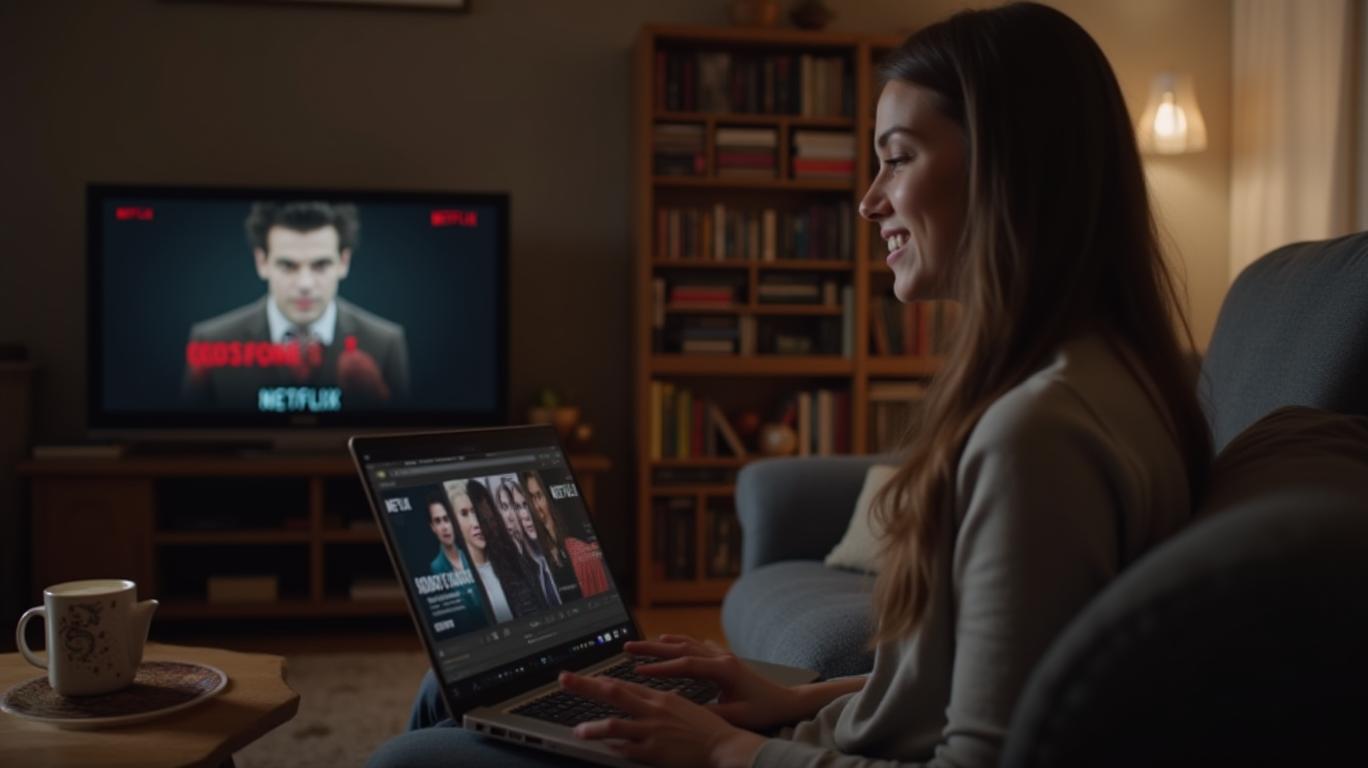
The financial impact of the levy on streaming giants could be substantial. For instance, Netflix's total revenue in 2024 was $39.00 billion. A 5% levy on its UK revenues could amount to a significant sum, potentially impacting its content budgets and competitive edge. Adam Minns, executive director of Coba, the industry body for commercial broadcasters and on-demand services, argues that the levy risks damaging the thriving TV sector, impacting jobs and growth. However, the MPs' proposal is not without merit. The cultural fund could provide much-needed financial support for high-end British dramas, ensuring that these programmes continue to be made despite surging costs.
The potential benefits of the cultural fund are clear. It could help maintain the diversity of content available to UK viewers, preserving the UK’s identity and national conversation. However, the drawbacks are equally significant. The levy could deter streaming services from investing in UK productions, leading to a reduction in the overall number of high-quality productions. Moreover, any move to slap new taxes on American companies could risk angering Donald Trump, just as Sir Keir Starmer seeks to strike a trade agreement with the US president to reduce the impact of tariffs.
The ethical dilemma is stark: should the UK prioritize the financial health of streaming giants or the cultural and training benefits of high-end British dramas? The answer is not straightforward. The streaming services have argued that they are already investing heavily in UK productions, pointing to recent hits like "Adolescence" and "Toxic Town" on Netflix, and "Slow Horses" and "Clarkson’s Farm" on Amazon Prime. However, the MPs' proposal is a call for greater accountability and support for the UK's mixed production ecology.
The consequences of inaction are clear. Without the proposed levy, the UK risks losing its many talented, independent British producers. The cultural fund could help ensure that the UK’s world-class film and high-end television industry continues to thrive, showcasing the country's unique identity and national conversation. However, the levy also poses risks, including potential damage to the thriving TV sector and reduced investment from streaming services.
The call for reform is clear: the UK needs to strike a balance between supporting its mixed production ecology and maintaining the competitiveness of its thriving TV sector. The proposed levy is a bold move to correct the imbalance, ensuring that the cultural and training benefits of high-end British dramas are sustained. However, it also poses risks, including potential damage to the thriving TV sector and reduced investment from streaming services. The UK must navigate these challenges carefully, ensuring that its world-class film and high-end television industry continues to thrive.
The British television industry is at a crossroads. While the public might see a thriving sector with hits like "Mr. Bates vs. The Post Office" and "Wolf Hall," the reality is far more precarious. The culture, media, and sport committee has called for a 5% levy on the UK revenues of streaming giants like NetflixNFLX--, DisneyDIS--, AmazonAMZN--, and AppleAAPL--. This "Netflix tax" aims to fund a new cultural fund administered by the British Film Institute (BFI) to support high-end British dramas. The proposal comes as a response to the surging costs and reduced funding for quintessentially British programmes, which are being squeezed out by the deep pockets and international strategies of US streaming services.
The conflict is clear: while streaming services have brought significant investment and innovation to the UK, their business practices are putting the country's mixed production ecology at risk. Public service broadcasters and independent producers, the backbone of British television, are struggling to compete. The proposed levy is a bold move to correct this imbalance, ensuring that the cultural and training benefits of high-end dramas are sustained.
The financial impact of the levy on streaming giants could be substantial. For instance, Netflix's total revenue in 2024 was $39.00 billion. A 5% levy on its UK revenues could amount to a significant sum, potentially impacting its content budgets and competitive edge. Adam Minns, executive director of Coba, the industry body for commercial broadcasters and on-demand services, argues that the levy risks damaging the thriving TV sector, impacting jobs and growth. However, the MPs' proposal is not without merit. The cultural fund could provide much-needed financial support for high-end British dramas, ensuring that these programmes continue to be made despite surging costs.
The potential benefits of the cultural fund are clear. It could help maintain the diversity of content available to UK viewers, preserving the UK’s identity and national conversation. However, the drawbacks are equally significant. The levy could deter streaming services from investing in UK productions, leading to a reduction in the overall number of high-quality productions. Moreover, any move to slap new taxes on American companies could risk angering Donald Trump, just as Sir Keir Starmer seeks to strike a trade agreement with the US president to reduce the impact of tariffs.
The ethical dilemma is stark: should the UK prioritize the financial health of streaming giants or the cultural and training benefits of high-end British dramas? The answer is not straightforward. The streaming services have argued that they are already investing heavily in UK productions, pointing to recent hits like "Adolescence" and "Toxic Town" on Netflix, and "Slow Horses" and "Clarkson’s Farm" on Amazon Prime. However, the MPs' proposal is a call for greater accountability and support for the UK's mixed production ecology.
The consequences of inaction are clear. Without the proposed levy, the UK risks losing its many talented, independent British producers. The cultural fund could help ensure that the UK’s world-class film and high-end television industry continues to thrive, showcasing the country's unique identity and national conversation. However, the levy also poses risks, including potential damage to the thriving TV sector and reduced investment from streaming services.
The call for reform is clear: the UK needs to strike a balance between supporting its mixed production ecology and maintaining the competitiveness of its thriving TV sector. The proposed levy is a bold move to correct the imbalance, ensuring that the cultural and training benefits of high-end British dramas are sustained. However, it also poses risks, including potential damage to the thriving TV sector and reduced investment from streaming services. The UK must navigate these challenges carefully, ensuring that its world-class film and high-end television industry continues to thrive.

Divulgación editorial y transparencia de la IA: Ainvest News utiliza tecnología avanzada de Modelos de Lenguaje Largo (LLM) para sintetizar y analizar datos de mercado en tiempo real. Para garantizar los más altos estándares de integridad, cada artículo se somete a un riguroso proceso de verificación con participación humana.
Mientras la IA asiste en el procesamiento de datos y la redacción inicial, un miembro editorial profesional de Ainvest revisa, verifica y aprueba de forma independiente todo el contenido para garantizar su precisión y cumplimiento con los estándares editoriales de Ainvest Fintech Inc. Esta supervisión humana está diseñada para mitigar las alucinaciones de la IA y garantizar el contexto financiero.
Advertencia sobre inversiones: Este contenido se proporciona únicamente con fines informativos y no constituye asesoramiento profesional de inversión, legal o financiero. Los mercados conllevan riesgos inherentes. Se recomienda a los usuarios que realicen una investigación independiente o consulten a un asesor financiero certificado antes de tomar cualquier decisión. Ainvest Fintech Inc. se exime de toda responsabilidad por las acciones tomadas con base en esta información. ¿Encontró un error? Reportar un problema


SOBRE NOSOTROS
Nuestra historiaAutores de noticiasBase de conocimientosPolítica de privacidadTérmino de usoDescargo de responsabilidad de corretaje de tercerosTérminos de uso de AIMEDivulgaciones de riesgos de AInvest AICarrerasCONTÁCTENOS
Email: support@ainvest.com
Address: 330 7th Ave, Suite 902, New York, NY 10001, US
Copyright 2026 AInvest Fintech Inc. All rights reserved.


Comentarios
Aún no hay comentarios