
Mozambique's $6 Billion Energy Transformation: Unlocking Growth in Southern Africa's Power Sector
Mozambique is on the cusp of a historic energy revolution. The Mphanda Nkuwa hydroelectric plant—a $6 billion project poised to become southern Africa's largest power infrastructure in the last 50 years—is not just a technical marvel but a catalyst for economic rebirth. By 2031, this 1,500-megawatt facility will address a 10,000-megawatt regional deficit, powering millions and positioning Mozambique as a clean energy hub. For investors, this is a rare confluence of strategic infrastructure, geopolitical momentum, and high-growth potential in an emerging market.
A Power Surge: From Rural Electrification to Regional Export
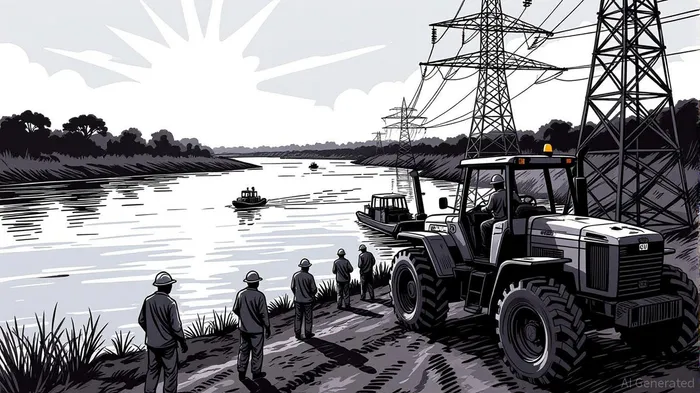
Mozambique's electrification rate has nearly doubled since 2018, but the Mphanda Nkuwa project represents a quantum leap. Located 60 kilometers downstream from the iconic Cahora Bassa dam, it will harness the Zambezi River's flow to generate enough electricity to connect 1.3 million people and power industries across the country. The World Bank's ASCENT project, with $100 million in grants, underscores the global stakes: this is not just about lighting homes but enabling schools, clinics, and factories to thrive.
The ripple effects extend beyond Mozambique. The Southern African Power Pool (SAPP) is already mapping out a future where Mozambique exports 14 GW of hydropower, 7.5 GW of solar, and 2.5 GW of wind by 2050. With cross-border transmission lines under development, the country is becoming a linchpin for regional energy security. For investors, this means opportunities in grid infrastructure, energy storage, and tech-enabled services to manage decentralized power systems.
Strategic Infrastructure: Construction and Renewable Manufacturing
The construction sector is the first domino. The Green Energy Mozambique Industrial Park, a $3 billion integrated hub in Sofala province, is a case study in how infrastructure can drive industrialization. This park combines solar panel manufacturing, battery production, and aluminum smelting, creating 10,000 direct jobs and reducing reliance on imported components. For construction firms and EPC contractors, this is a goldmine: projects like the Tete Province Solar Plant (300 MW) and the Cahora Bassa North Bank Hydropower Project (1,245 MW) are already in the pipeline.
But the real game-changer is the shift toward localized manufacturing. Mozambique is no longer just a resource exporter; it's building a renewable supply chain. The World Bank's concessional funding for transmission lines and the $4.7 billion ExIm Bank loan for the Mozambique LNG project signal confidence in the country's ability to scale. Investors in construction materials, engineering firms, and logistics providers should take note: this is a market where infrastructure deficits are being turned into competitive advantages.
Tech-Enabled Services: The Digital Grid Revolution
As Mozambique races to electrify 33 million people, technology is the unsung hero. Smart metering, digital grid management, and hybrid energy systems are in high demand. The government's “Energy for All” program prioritizes both on-grid and off-grid solutions, creating a dual market for tech startups and established firms. For example, battery storage companies could capitalize on the need to stabilize hydropower output, while AI-driven grid analytics firms can help optimize distribution in rural areas.
The data here is compelling: 10% of Mozambique's electricity access already comes from off-grid solar, and the ASCENT project aims to expand this further. For investors, this is a reminder that infrastructure is not just about concrete and steel—it's about software, data, and innovation.
Risks and Returns: Navigating a Complex Landscape
No investment is without risk. Mozambique's public debt stands at 102% of GDP, and the northern insurgency in Cabo Delgado remains a security concern. Yet, the government's debt restructuring efforts and the World Bank's risk mitigation tools (partial guarantees, political insurance) are mitigating these challenges. The recent $4.7 billion ExIm Bank loan for the LNG project, for instance, shows how international partners are willing to absorb some of the risk.
Climate resilience is another factor. Mozambique's vulnerability to cyclones and floods requires climate-adaptive infrastructure, but this also creates demand for resilient design and hybrid energy systems. For investors, the key is to balance short-term volatility with long-term gains. The payoffs are clear: Mozambique's energy sector is projected to grow at 8% annually through 2030, outpacing most of Sub-Saharan Africa.
The Bigger Picture: Africa's Energy Transition
Mozambique's transformation is part of a broader trend. Ethiopia's Grand Renaissance Dam and Congo's Inga 3 project are similarly redefining energy access in Africa. But Mozambique's unique advantage lies in its strategic location and the World Bank Group's Mission 300 initiative, which aims to connect 300 million people to electricity by 2030. For investors, this is a chance to align with a continent-wide shift toward clean energy and regional integration.
Final Take: Positioning for Africa's Next Energy Wave
Mozambique's $6 billion energy project is more than infrastructure—it's a blueprint for economic empowerment. For forward-looking investors, the opportunities span construction, tech-enabled services, and regional trade. The risks are real, but they are being managed through international partnerships and innovative financing. As the Zambezi River powers turbines and transmission lines stretch across borders, one thing is certain: Mozambique is no longer a peripheral player in Africa's energy story. It's the protagonist.
Investment Advice: Diversify across sectors—construction, renewable manufacturing, and digital grid tech—to hedge against political and climate risks. Prioritize firms with strong ties to the World Bank or African Development Bank, and monitor debt restructuring outcomes. Mozambique's energy wave is coming; the question is whether you'll ride it or watch from the sidelines.







Comentarios
Aún no hay comentarios