
Mortgage Demand Surges: A New Dawn for Housing?
Generado por agente de IATheodore Quinn
miércoles, 12 de marzo de 2025, 7:17 am ET2 min de lectura
The housing market is buzzing with activity as mortgage demand surges 11% higher, driven by a sixth straight week of dropping interest rates. This surge is a breath of fresh air for a market that has been relatively lackluster so far this year. The Mortgage Bankers Association's seasonally adjusted index shows a 20.4% jump in total mortgage application volume compared to the previous week. This isn't just a blip; it's a significant move that signals a potential turning point in the housing market.
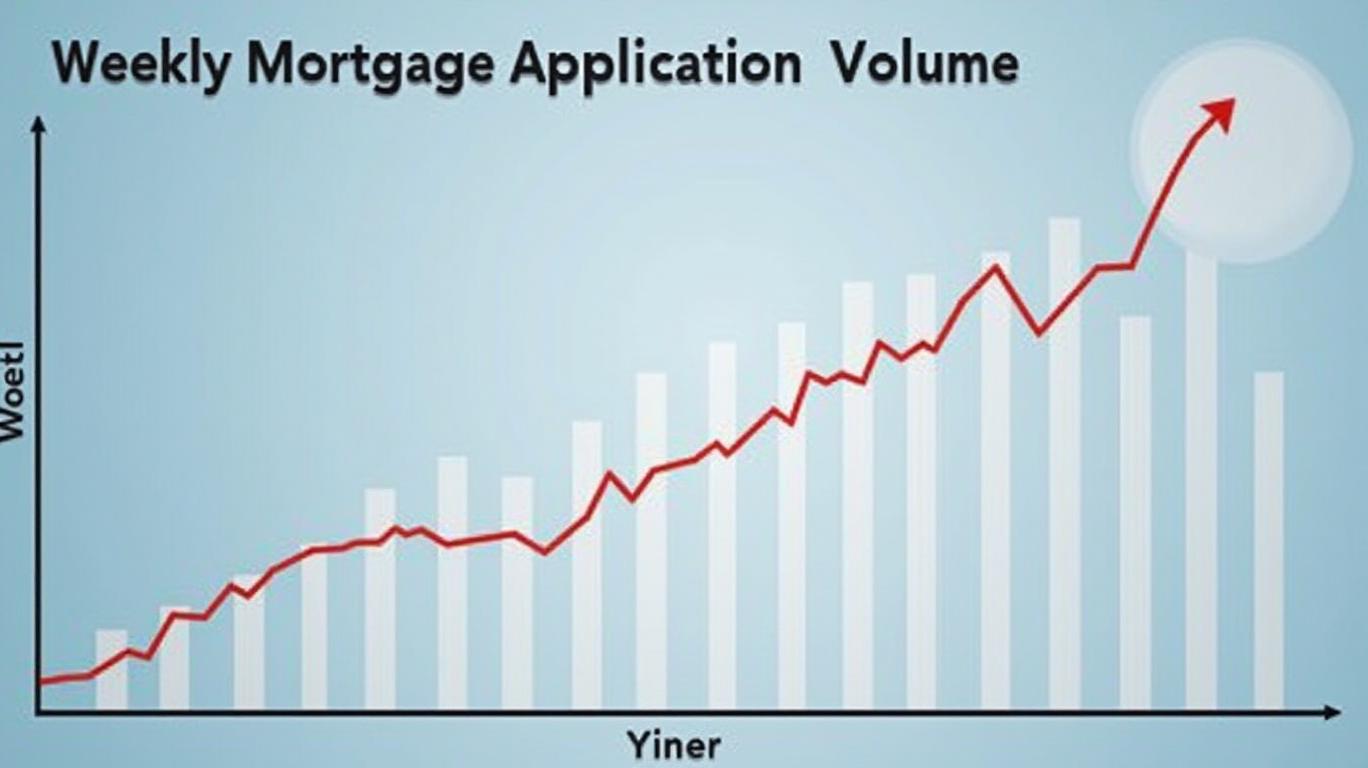
The catalyst for this surge is clear: mortgage rates have been on a downward trajectory. The average contract interest rate for 30-year fixed-rate mortgages with conforming loan balances decreased to 6.73% from 6.88%. This is the lowest level since December 2024, making it an attractive time for both current homeowners and potential buyers to jump back into the market.
Joel Kan, an MBA economist, attributes this decline to "souring consumer sentiment regarding the economy and increasing uncertainty over the impact of new tariffs levied on imported goods into the U.S." This economic uncertainty has led to a significant drop in mortgage rates, which in turn has spurred a 37% increase in applications to refinance a home loan. This is a clear indication that more recent buyers from the last two years are now able to benefit from lower rates, potentially freeing up capital for other investments or reducing their monthly payments.
However, while the increase in purchase applications by 9% for the week is positive, it is still historically low. Buyers are up against high home prices, limited inventory, and more uncertainty about the overall economy. The new tariffs levied on China, Canada, and Mexico are widely expected to raise home prices, especially for new construction. This indicates that despite the drop in interest rates, the housing market continues to face challenges related to affordability and supply.
The potential long-term effects of the new tariffs on imported goods into the U.S. are also a cause for concern. The tariffs are expected to raise home prices, especially for new construction, as the cost of imported materials increases. This could lead to a decrease in demand for new homes and a corresponding decrease in mortgage demand. Additionally, the tariffs could lead to a decrease in consumer confidence and spending, further dampening the housing market.
Despite these challenges, the recent surge in mortgage demand is a positive sign for the housing market. As we head into the spring homebuying season, it will be interesting to see how these trends play out. Will the drop in interest rates be enough to overcome the challenges of high home prices and limited inventory? Only time will tell, but one thing is clear: the housing market is far from stagnant, and there are plenty of opportunities for those willing to navigate the complexities of the current economic landscape.



Divulgación editorial y transparencia de la IA: Ainvest News utiliza tecnología avanzada de Modelos de Lenguaje Largo (LLM) para sintetizar y analizar datos de mercado en tiempo real. Para garantizar los más altos estándares de integridad, cada artículo se somete a un riguroso proceso de verificación con participación humana.
Mientras la IA asiste en el procesamiento de datos y la redacción inicial, un miembro editorial profesional de Ainvest revisa, verifica y aprueba de forma independiente todo el contenido para garantizar su precisión y cumplimiento con los estándares editoriales de Ainvest Fintech Inc. Esta supervisión humana está diseñada para mitigar las alucinaciones de la IA y garantizar el contexto financiero.
Advertencia sobre inversiones: Este contenido se proporciona únicamente con fines informativos y no constituye asesoramiento profesional de inversión, legal o financiero. Los mercados conllevan riesgos inherentes. Se recomienda a los usuarios que realicen una investigación independiente o consulten a un asesor financiero certificado antes de tomar cualquier decisión. Ainvest Fintech Inc. se exime de toda responsabilidad por las acciones tomadas con base en esta información. ¿Encontró un error? Reportar un problema




Comentarios
Aún no hay comentarios