
Morgan Stanley's Steel Sector Shuffle: A Tactical Breakdown
The immediate catalyst is clear: Morgan Stanley has delivered a sharp, sector-specific reshuffle. The moves create a tactical setup where each stock faces a distinct, event-driven question. For Cleveland-CliffsCLF--, the upgrade is a high-stakes bet on a potential deal. For NucorNUE--, the firm's cautious stance highlights a momentum trade under pressure. For Steel DynamicsSTLD--, the downgrade signals a value trap amid seasonal headwinds.
The most direct catalyst is Morgan Stanley's upgrade of Cleveland-Cliffs to Overweight with a $17 price target. This action is explicitly tied to the company's memorandum of understanding with South Korean steelmaker POSCO, which the bank calls a "potentially transformational opportunity." The tactical question here is binary: does this MOU represent a genuine path to transformation for the only domestic producer capable of it, or is it a speculative distraction in a sector facing 50% tariffs and weak demand? The stock's pop on the news suggests the market is leaning toward the former, but the underlying financials remain challenged, with the company not profitable over the last twelve months.
In contrast, Morgan Stanley's move on Steel Dynamics frames a classic value trap. The firm downgraded the stock from Overweight to Equalweight while raising its target to $194. The bank's rationale is straightforward: the risk-reward profile is now balanced, with limited upside potential to that new target. The tactical question is whether the stock's strong free cash flow and expected inflection are enough to offset the firm's concern that capital could be diverted to a recently announced bid for BlueScope rather than returned to shareholders. This sets up a trade on the company's capital allocation, not its near-term steel price outlook.
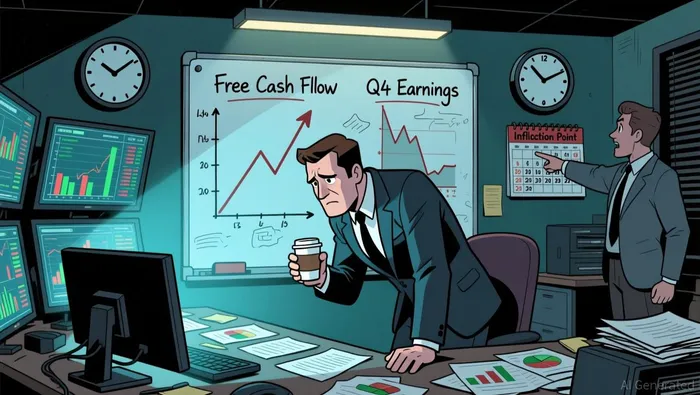
For Nucor, the catalyst is more about momentum and valuation. While the evidence doesn't detail a specific rating change for Nucor, it notes the stock traded near its 52-week high with strong momentum as the sector saw mixed signals. The tactical question here is sustainability. The firm's recent guidance points to a decline in fourth-quarter 2025 earnings, attributed to seasonal effects. The trade is whether the stock's 44% run-up over the past year has priced in too much optimism, leaving it vulnerable to a pullback as the seasonal headwinds hit.
The Backdrop: A Challenging Industry in Flux
The analyst moves are being made against a difficult and shifting industry backdrop. The US steel sector operates under a 50% tariff regime, which has protected domestic producers but also created a complex, high-cost environment. Demand remains soft, with manufacturing sentiment lagging, while steel prices are already elevated after a sharp run-up. This sets a cautious tone for all three stocks.
US steel mills are running efficiently, but with restraint. Year-to-date capacity utilization stands at 76.7%, up slightly from 2024 but far from full throttle. This measured pace reflects the industry's balancing act: tariffs have boosted domestic output, but weak consumer demand and slowing manufacturing keep the sector from accelerating further. The recent pause in price increases by Nucor, which held its hot-rolled coil price at $950 per ton for January, is a direct signal of this softening demand pressure. The firm's guidance for a decline in fourth-quarter earnings points to seasonal headwinds hitting hard.
Adding another layer of complexity is the flood of input costs. North American ferrous scrap dealers are expected to continue flooding the US market in 2026, drawn by the tariff-protected domestic demand. While this bolsters supply and may cap scrap price spikes, it also means electric arc furnace producers like Nucor and Steel Dynamics face a persistent, low-cost input stream. This dynamic pressures the entire sector's margin profile, even as finished steel prices are supported by tariffs and data center construction.
In short, the industry is in flux. The 50% tariff shield is real, but it's not a magic bullet. It has driven utilization and scrap flows, yet it hasn't solved the core problem of weak demand. This creates a volatile setup where steel prices can swing on sentiment and seasonal shifts, leaving producers vulnerable to margin compression. It's within this challenging context that Morgan Stanley's specific calls-betting on a deal for Cliffs, cautioning on value for Steel Dynamics, and questioning momentum for Nucor-must be evaluated.
Tactical Analysis: One Stock at a Time
The analyst moves create distinct, immediate risk/reward setups. For each stock, the catalyst must be weighed against its recent price action and the tough industry backdrop.
Cleveland-Cliffs (CLF): The Deal Bet vs. Priced-In Optimism The upgrade sparked a 5.1% jump in Friday's trading, pushing the stock to $12.26 at its close. Yet the tactical question is whether this pop leaves room for more. The stock's 120-day return of 20.5% shows the market has already priced in significant optimism around the POSCO MOU. With a new $17 target, the upside from current levels is limited, especially given the company's lack of profitability. The risk is that the deal details, once disclosed, fail to meet the elevated expectations baked into the price. This is a high-stakes bet on a binary outcome, with the stock now trading near its 52-week high of $16.70.
Nucor (NUE): Momentum Meets Valuation Pressure Nucor's setup is one of strong momentum meeting a firm's caution. The stock trades near its 52-week high with a 44% return over the past year. Morgan Stanley's move, while not a direct downgrade, implies valuation pressure is building. The firm's guidance for a decline in fourth-quarter earnings due to seasonal effects and planned maintenance adds near-term headwinds. With an average analyst price target of $181.25, the stock's current price suggests the market is still leaning bullish on its long-term position. The trade is whether this momentum can persist through the seasonal soft patch or if it will falter as earnings disappoint.
Steel Dynamics (STLD): A Value Trap in the Making Here, the downgrade is a clear warning sign. Morgan Stanley cited a balanced risk-reward profile with limited upside potential to its new $194 target. The company's own guidance confirms the near-term pressure, with fourth-quarter earnings expected to be meaningfully lower than sequential third-quarter results due to seasonal demand and planned maintenance. This creates a classic value trap setup: the stock may look cheap on a forward basis, but the immediate earnings decline and the bank's concern that cash could be diverted to a BlueScope bid rather than returned to shareholders cap its appeal. The tactical play is to watch for a resolution on the capital allocation question.
Catalysts and What to Watch
The analyst moves set up clear, near-term tests for each stock's thesis. For the market to validate Morgan Stanley's calls, specific catalysts must play out in the coming weeks and quarters.
For Cleveland-Cliffs, the key watchpoint is the disclosure of the POSCO memorandum of understanding's terms. The bank's upgrade hinges on this being a "potentially transformational opportunity," but the specifics-valuation, asset mix, and strategic commitment-will reveal whether it's a genuine path to change or a speculative footnote. Until those details emerge, the stock's rally may be based on hope rather than a concrete deal. The market will scrutinize the MOU for any signs of a premium valuation or a clear exit from the company's current unprofitable state.
Steel Dynamics faces a dual test of execution and seasonality. The firm is completing its major capital expenditure cycle later this year, which should boost free cash flow. Investors must watch for the successful ramp-up of its new Sinton furnace and aluminum mill. At the same time, the company's fourth-quarter earnings guidance shows a meaningfully lower profit due to seasonal demand and maintenance. The first quarter will be critical for seeing if those headwinds ease and if the promised cash flow inflection begins. The bank's concern that capital could be diverted to a BlueScope bid adds another layer of scrutiny to the company's capital allocation decisions.
For Nucor, the immediate catalyst is pricing momentum. The company held its hot-rolled coil price at $950 per ton for January 2026, pausing a nine-week run of increases. The Q1 price trajectory remains uncertain, with weak consumer demand and slowing manufacturing sentiment creating downward pressure. The stock's strong momentum must now be tested against this pricing pause and the firm's own guidance for a decline in fourth-quarter earnings. Any shift in Nucor's pricing power will be a direct signal for the sector's near-term health and will determine if the stock's 44% run-up can continue or if it's due for a pullback.





Comentarios
Aún no hay comentarios