
Montana Rejects Bitcoin Investment Bill
Generado por agente de IACoin World
lunes, 24 de febrero de 2025, 5:23 am ET1 min de lectura
BTC--
Montana's House of Representatives has rejected a bill that would have allowed the state to invest public funds in Bitcoin and other digital assets. The decision, made on February 22, 2025, marks the latest development in a growing nationwide debate over state-level Bitcoin reserve initiatives.
House Bill 429, introduced by Representative Curtis Schomer, failed to pass with a vote of 41-59. The proposed legislation would have created a special revenue account permitting investments of up to $50 million in cryptocurrencies, stablecoins, and precious metals. The bill specified that eligible digital assets must maintain an average market capitalization above $750 billion over the previous calendar year. Currently, Bitcoin is the only cryptocurrency meeting this criterion, with a market cap of $1.8 trillion.
During the House Floor Session, several lawmakers expressed concerns about the risks associated with cryptocurrency investments. Representative Steven Kelly emphasized the responsibility to protect taxpayer money, while Representative Bill Mercer opposed giving the Montana Board of Investments discretion to invest in cryptocurrencies and non-fungible tokens.
Some representatives supported the bill, arguing it could benefit taxpayers. Representative Lee Demming advocated for maximizing returns on taxpayer funds, while Representative Steve Fitzpatrick pointed out that Montana’s investment board has substantial bank deposits that could potentially generate better returns. The bill’s sponsor, Curtis Schomer, defended the proposal by highlighting the declining purchasing power of traditional bond investments. However, these arguments failed to convince the majority of lawmakers, who viewed the investment strategy as too speculative.
Montana now joins North Dakota, Wyoming, and Pennsylvania among states that have rejected Bitcoin reserve proposals. However, the movement to integrate cryptocurrencies into public finance continues to gain traction elsewhere. According to Bitcoin Reserve Tracker data, approximately 19 state proposals remain under consideration.
Arizona’s Senate Finance Committee has advanced legislation that would allow up to 10% of public funds, including pension systems, to be invested in cryptocurrency. The bill is now proceeding to the Senate Rules Committee. Utah has made particular progress with its Blockchain and Digital Innovation Amendments bill, which would permit the state treasurer to allocate up to 5% of public funds to digital assets. The bill has cleared several legislative hurdles and awaits final votes.
Texas is pursuing a two-pronged approach with separate bills. One proposal would allow up to 1% of the general revenue fund to be invested in Bitcoin, 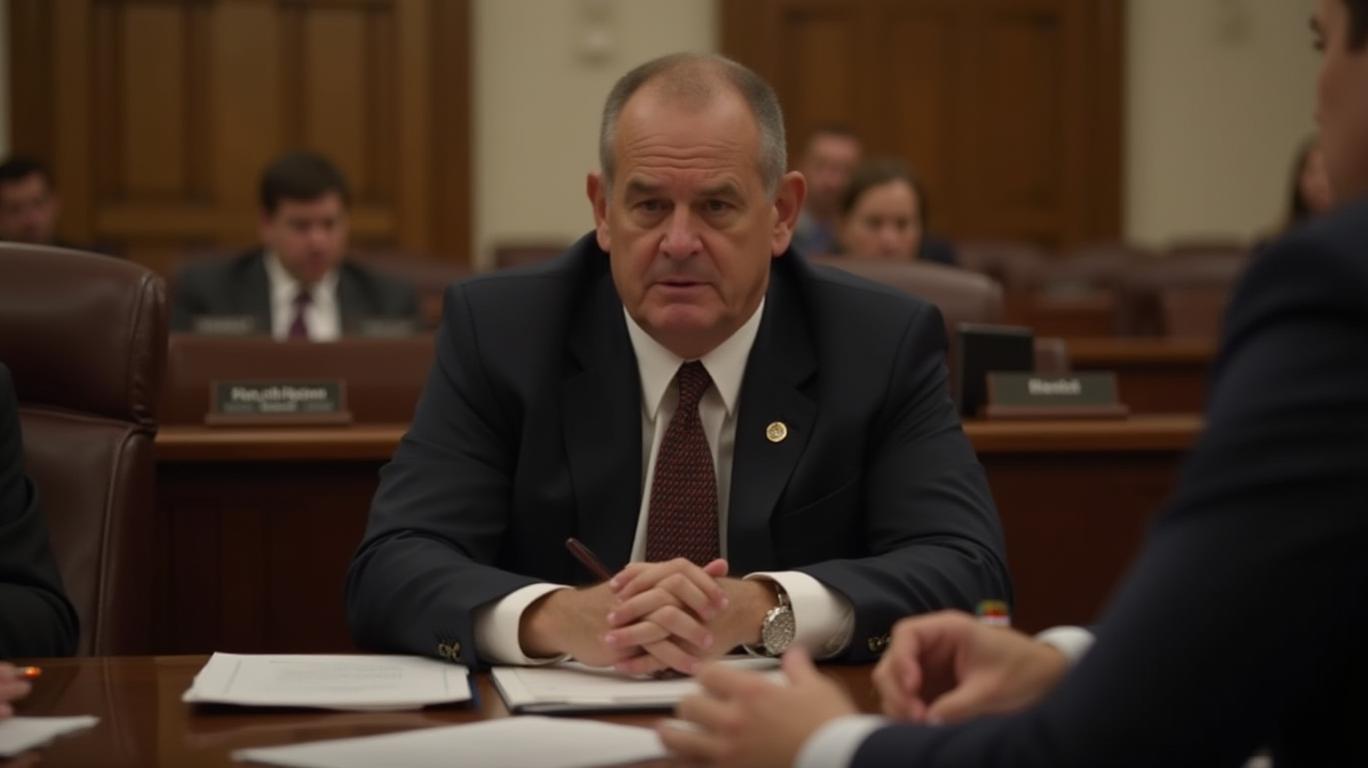


Divulgación editorial y transparencia de la IA: Ainvest News utiliza tecnología avanzada de Modelos de Lenguaje Largo (LLM) para sintetizar y analizar datos de mercado en tiempo real. Para garantizar los más altos estándares de integridad, cada artículo se somete a un riguroso proceso de verificación con participación humana.
Mientras la IA asiste en el procesamiento de datos y la redacción inicial, un miembro editorial profesional de Ainvest revisa, verifica y aprueba de forma independiente todo el contenido para garantizar su precisión y cumplimiento con los estándares editoriales de Ainvest Fintech Inc. Esta supervisión humana está diseñada para mitigar las alucinaciones de la IA y garantizar el contexto financiero.
Advertencia sobre inversiones: Este contenido se proporciona únicamente con fines informativos y no constituye asesoramiento profesional de inversión, legal o financiero. Los mercados conllevan riesgos inherentes. Se recomienda a los usuarios que realicen una investigación independiente o consulten a un asesor financiero certificado antes de tomar cualquier decisión. Ainvest Fintech Inc. se exime de toda responsabilidad por las acciones tomadas con base en esta información. ¿Encontró un error? Reportar un problema


SOBRE NOSOTROS
Nuestra historiaAutores de noticiasBase de conocimientosPolítica de privacidadTérmino de usoDescargo de responsabilidad de corretaje de tercerosTérminos de uso de AIMEDivulgaciones de riesgos de AInvest AICarrerasCONTÁCTENOS
Email: support@ainvest.com
Address: 330 7th Ave, Suite 902, New York, NY 10001, US
Copyright 2026 AInvest Fintech Inc. All rights reserved.


Comentarios
Aún no hay comentarios