
Moncler Navigates Uncertain Markets with Strategic Resilience Amid Divergent Regional Trends
Moncler Group’s first-quarter results for fiscal 2025 underscored its ability to navigate a challenging macroeconomic environment, even as management cautioned about lingering volatility. The luxury apparel giant reported consolidated revenue of €829 million in Q1, a 1% rise at constant exchange rates (cFX), slightly exceeding analyst expectations. However, the performance masked uneven regional dynamics and persistent headwinds in wholesale channels, raising questions about the durability of demand in key markets.
A Tale of Two Regions: Asia Shines, EMEA and Americas Lag
Moncler’s growth was disproportionately driven by Asia, where revenue surged 6% cFX to €380.8 million, fueled by a rebound in Chinese consumer spending and strong tourist activity in Japan. The brand’s DTCDTC-- channel expanded by 4% cFX globally, with physical stores outperforming online sales—a trend management attributed to experiential retail strategies, including flagship store openings and immersive events.
In contrast, EMEA and the Americas faced headwinds. EMEA revenues dipped 1% cFX to €244.3 million, hindered by weak wholesale performance and struggles in online sales. The Americas saw a 2% cFX decline, driven by a 5% drop in Moncler’s wholesale segment and an 18% slide in Stone Island’s wholesale sales. Management noted that these regions remain “sensitive to broader economic uncertainties,” particularly in discretionary spending.
Strategic Moves to Offset Volatility
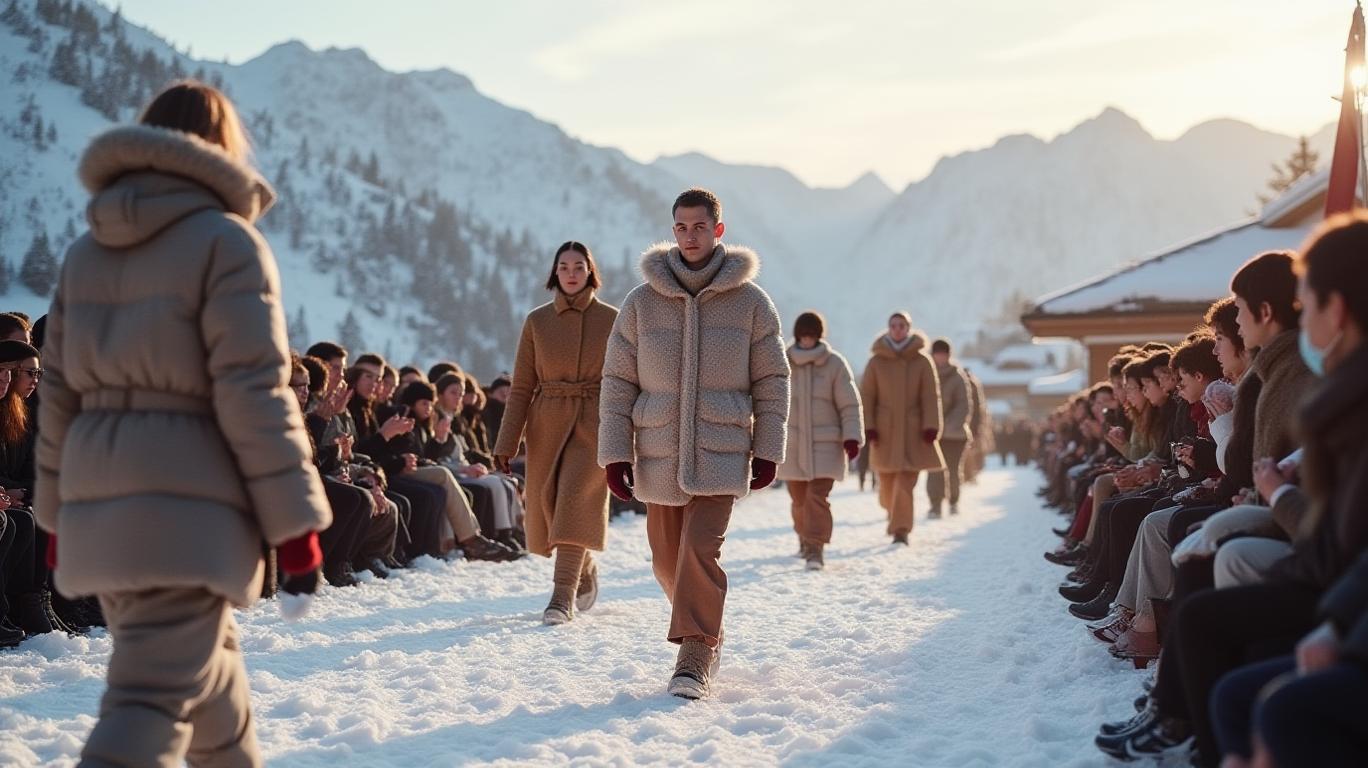
Moncler’s leadership emphasized a “brand-first strategy,” prioritizing DTC expansion and experiential storytelling. The Moncler Grenoble line’s high-profile runway show in Courchevel, France, and collaborations like FRGMT by Hiroshi Fujiwara and Ēquipements Amoeba by Salehe Bembury reinforced its position in premium outerwear. Meanwhile, Stone Island’s relaunch of its Paris flagship store and material innovation—such as the Raso Gommato 3L Laser Camo fabric—highlighted its focus on technical excellence.
The brands’ divergent performances also came into focus: while Moncler’s DTC grew 4% cFX, Stone Island’s DTC surged 12% cFX, though its wholesale segment contracted sharply. This contrast suggests Stone Island’s growth may rely more heavily on direct consumer engagement, a trend management aims to accelerate.
Macroeconomic Risks and Financial Discipline
Despite the positive results, CFO Marco de Benedetti warned of “continued volatility in certain markets” and reiterated the need for “operational discipline.” The Group’s cautious outlook reflects broader concerns in the luxury sector, where consumers in regions like EMEA face inflation pressures and geopolitical instability.
The data reveals a critical imbalance: while Asia’s growth (up 6% cFX) offsets declines elsewhere, the Americas’ and EMEA’s struggles highlight reliance on discretionary spending. Moncler’s gross margin dipped slightly to 71.5%, though management cited cost controls to mitigate inflation.
Conclusion: A Resilient Core, but Challenges Linger
Moncler’s Q1 results demonstrate the resilience of its DTC-driven model and strategic investments in brand storytelling, particularly in Asia. However, the underperformance in EMEA and the Americas—combined with wholesale channel weakness—suggests lingering macroeconomic risks.
The Group’s focus on experiential retail, sustainable innovation, and geographic diversification positions it to weather near-term volatility. Yet, investors should monitor two key metrics:
1. DTC growth sustainability: Moncler’s physical stores and collaborations must continue outperforming online channels to offset wholesale declines.
2. Americas recovery: A 12-month will indicate whether the brand can stabilize its second-largest market.
With Asia’s premium market expected to grow at 5-7% annually through 2027, Moncler’s current trajectory—bolstered by Stone Island’s niche appeal—supports a cautiously optimistic outlook. However, the path to sustained growth hinges on balancing creativity with financial rigor in an uncertain global landscape.
In summary, Moncler’s Q1 results reflect a brand leveraging its strengths to navigate choppy waters. While risks remain, its strategic focus on direct consumer connections and product innovation may prove decisive in maintaining its luxury leadership.







Comentarios
Aún no hay comentarios