
Modi's US Visit: Tariff Cuts and Energy Imports Boost Industry Hopes
Generado por agente de IACyrus Cole
lunes, 10 de febrero de 2025, 8:30 pm ET2 min de lectura
GD--
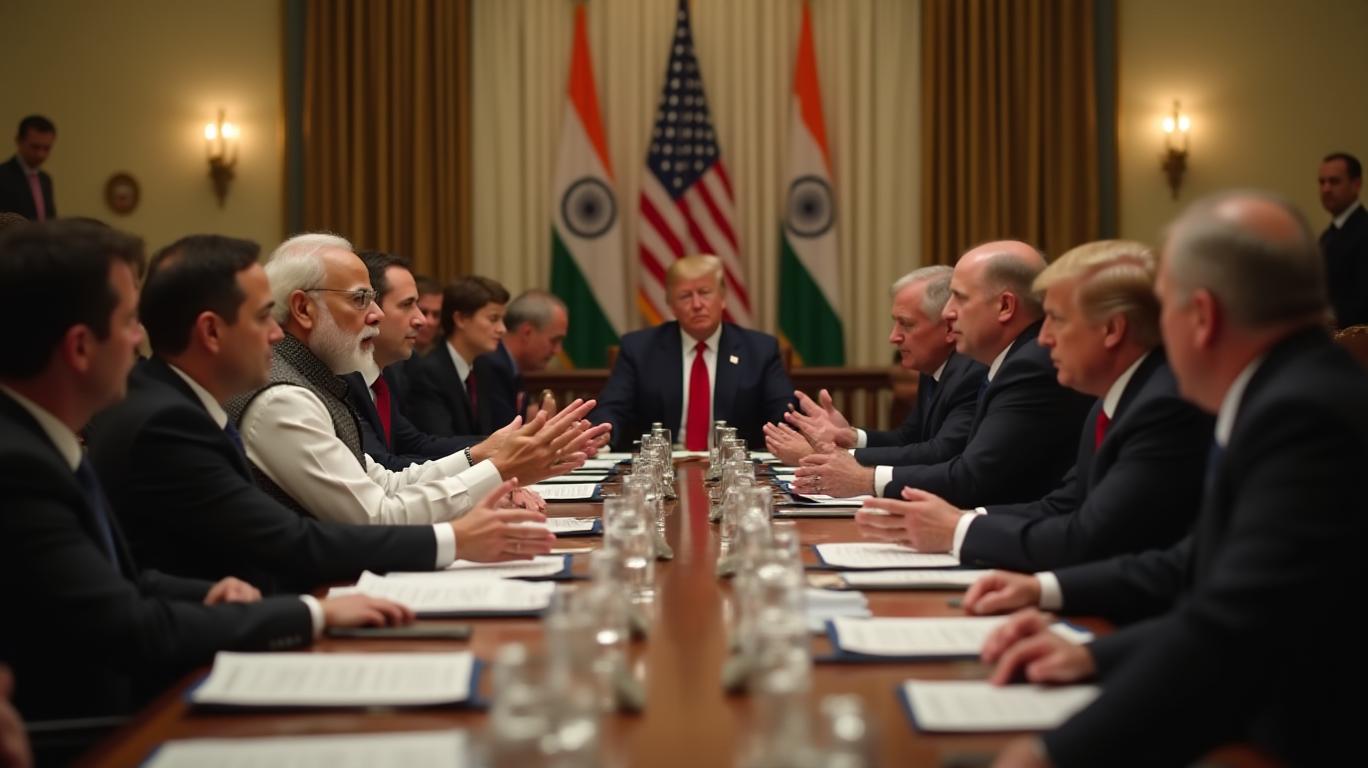
Indian Prime Minister Narendra Modi's upcoming visit to the United States has raised hopes among industries on both sides, as the two nations aim to strengthen their strategic partnership and address long-standing trade issues. Modi is expected to propose tariff cuts and increased energy and defence imports during his meeting with US President Donald Trump, which could significantly impact the trade balance between the two countries.
Energy Imports: A Short-term Boost
India plans to propose increasing energy product imports from the US, estimated at over $11 billion in the first eleven months of 2024. This move could help alleviate India's trade deficit with the US in the short term. As the world's fourth largest importer of liquefied natural gas (LNG), India may push its oil companies to purchase more US LNG, buoyed by the Trump administration's lifting of export permit bans for new projects. State-run GAIL India Ltd is aiming to acquire a stake in a US LNG plant or secure long-term supply deals, further boosting energy imports.
Defence Imports: A Long-term Impact
India is also likely to negotiate the purchase and co-production of combat vehicles and finalize a fighter jet engine deal during Modi's visit. These defence imports can help reduce India's trade deficit with the US in the long term. In 2024, India's defence imports from the US were valued at over $15 billion. Protracted talks have been ongoing between India and the US over the co-production of General Dynamics' Stryker combat vehicles, while officials from India's state-owned Hindustan Aeronautics Ltd (HAL) are set to meet with US officials and General Electric's aerospace unit in the coming weeks to finalize the fighter jet engine deal.
Tariff Cuts: A Long-term Solution
Modi's proposed tariff cuts can help increase US exports to India, which can potentially reduce the trade deficit in the long term. In 2024, the US exported goods worth over $50 billion to India, accounting for around 10% of India's total imports. A reduction in tariffs can encourage more US exports to India, helping to balance the trade deficit. Additionally, India's proposal to facilitate investments by Indian companies in the US can also help balance the trade deficit in the long term. Indian companies have already invested billions of dollars in the US, particularly in sectors like steel, garments, and contact manufacturing. Increased investments can lead to more exports from the US to India, helping to reduce the trade deficit.
Geopolitical Implications
Modi's visit and the discussions on strategic ties have significant geopolitical implications, particularly in relation to China's growing influence in the region. By strengthening the India-US partnership, India can counter China's assertiveness, promote regional stability, and foster economic growth. The discussions on defence cooperation, technological collaboration, and economic integration can help India maintain a technological edge over China and mitigate the risks associated with over-reliance on Chinese technology.
US Concerns and Indian Economic Policies
The US's concerns about market access and a level-playing field for its businesses could influence India's economic policies and regulations in the future. India might consider reducing import tariffs, easing FDI rules, streamlining regulations, addressing non-tariff barriers, and strengthening intellectual property protection to create a more favorable business environment for US companies. By addressing these concerns, India can enhance its trade and investment ties with the US and create a more favorable business environment for both countries.
In conclusion, Modi's visit to the United States and the discussions on strategic ties, tariff cuts, and increased energy and defence imports have the potential to significantly impact the trade balance between the two countries. By addressing the US's concerns about market access and a level-playing field, India can enhance its trade and investment ties with the US and create a more favorable business environment for both countries. The geopolitical implications of Modi's visit are also significant, as India seeks to counter China's growing influence in the region and promote regional stability and economic growth.
GM--
SYK--
Indian Prime Minister Narendra Modi's upcoming visit to the United States has raised hopes among industries on both sides, as the two nations aim to strengthen their strategic partnership and address long-standing trade issues. Modi is expected to propose tariff cuts and increased energy and defence imports during his meeting with US President Donald Trump, which could significantly impact the trade balance between the two countries.
Energy Imports: A Short-term Boost
India plans to propose increasing energy product imports from the US, estimated at over $11 billion in the first eleven months of 2024. This move could help alleviate India's trade deficit with the US in the short term. As the world's fourth largest importer of liquefied natural gas (LNG), India may push its oil companies to purchase more US LNG, buoyed by the Trump administration's lifting of export permit bans for new projects. State-run GAIL India Ltd is aiming to acquire a stake in a US LNG plant or secure long-term supply deals, further boosting energy imports.
Defence Imports: A Long-term Impact
India is also likely to negotiate the purchase and co-production of combat vehicles and finalize a fighter jet engine deal during Modi's visit. These defence imports can help reduce India's trade deficit with the US in the long term. In 2024, India's defence imports from the US were valued at over $15 billion. Protracted talks have been ongoing between India and the US over the co-production of General Dynamics' Stryker combat vehicles, while officials from India's state-owned Hindustan Aeronautics Ltd (HAL) are set to meet with US officials and General Electric's aerospace unit in the coming weeks to finalize the fighter jet engine deal.
Tariff Cuts: A Long-term Solution
Modi's proposed tariff cuts can help increase US exports to India, which can potentially reduce the trade deficit in the long term. In 2024, the US exported goods worth over $50 billion to India, accounting for around 10% of India's total imports. A reduction in tariffs can encourage more US exports to India, helping to balance the trade deficit. Additionally, India's proposal to facilitate investments by Indian companies in the US can also help balance the trade deficit in the long term. Indian companies have already invested billions of dollars in the US, particularly in sectors like steel, garments, and contact manufacturing. Increased investments can lead to more exports from the US to India, helping to reduce the trade deficit.
Geopolitical Implications
Modi's visit and the discussions on strategic ties have significant geopolitical implications, particularly in relation to China's growing influence in the region. By strengthening the India-US partnership, India can counter China's assertiveness, promote regional stability, and foster economic growth. The discussions on defence cooperation, technological collaboration, and economic integration can help India maintain a technological edge over China and mitigate the risks associated with over-reliance on Chinese technology.
US Concerns and Indian Economic Policies
The US's concerns about market access and a level-playing field for its businesses could influence India's economic policies and regulations in the future. India might consider reducing import tariffs, easing FDI rules, streamlining regulations, addressing non-tariff barriers, and strengthening intellectual property protection to create a more favorable business environment for US companies. By addressing these concerns, India can enhance its trade and investment ties with the US and create a more favorable business environment for both countries.
In conclusion, Modi's visit to the United States and the discussions on strategic ties, tariff cuts, and increased energy and defence imports have the potential to significantly impact the trade balance between the two countries. By addressing the US's concerns about market access and a level-playing field, India can enhance its trade and investment ties with the US and create a more favorable business environment for both countries. The geopolitical implications of Modi's visit are also significant, as India seeks to counter China's growing influence in the region and promote regional stability and economic growth.

Divulgación editorial y transparencia de la IA: Ainvest News utiliza tecnología avanzada de Modelos de Lenguaje Largo (LLM) para sintetizar y analizar datos de mercado en tiempo real. Para garantizar los más altos estándares de integridad, cada artículo se somete a un riguroso proceso de verificación con participación humana.
Mientras la IA asiste en el procesamiento de datos y la redacción inicial, un miembro editorial profesional de Ainvest revisa, verifica y aprueba de forma independiente todo el contenido para garantizar su precisión y cumplimiento con los estándares editoriales de Ainvest Fintech Inc. Esta supervisión humana está diseñada para mitigar las alucinaciones de la IA y garantizar el contexto financiero.
Advertencia sobre inversiones: Este contenido se proporciona únicamente con fines informativos y no constituye asesoramiento profesional de inversión, legal o financiero. Los mercados conllevan riesgos inherentes. Se recomienda a los usuarios que realicen una investigación independiente o consulten a un asesor financiero certificado antes de tomar cualquier decisión. Ainvest Fintech Inc. se exime de toda responsabilidad por las acciones tomadas con base en esta información. ¿Encontró un error? Reportar un problema


SOBRE NOSOTROS
Nuestra historiaAutores de noticiasBase de conocimientosPolítica de privacidadTérmino de usoDescargo de responsabilidad de corretaje de tercerosTérminos de uso de AIMEDivulgaciones de riesgos de AInvest AICarrerasCONTÁCTENOS
Email: support@ainvest.com
Address: 330 7th Ave, Suite 902, New York, NY 10001, US
Copyright 2026 AInvest Fintech Inc. All rights reserved.


Comentarios
Aún no hay comentarios