
T-Mobile's Limited-Edition Collaborations: A Strategic Engine for Subscriber Stickiness and Long-Term Value
In an increasingly competitive telecom landscape, T-Mobile US Inc.TMUS-- has emerged as a leader in customer retention through a blend of AI-driven personalization and emotionally resonant brand collaborations. By leveraging limited-edition partnerships and perks-based loyalty programs, the company has not only reduced churn but also cultivated a loyal customer base that prioritizes value over price. For investors, this strategy underscores T-Mobile's ability to transform customer relationships into sustainable financial growth.
The Power of Perks: From DashPass to Magenta Status
T-Mobile's limited-time collaborations have become a cornerstone of its retention strategy. The T-Mobile Tuesdays program, for instance, offers weekly rewards such as free food, entertainment discounts, and exclusive experiences from partner brands. According to a report by , this initiative has contributed to a 14-point increase in net promoter scores compared to the industry average. By fostering habitual app engagement through the T-Life platform-now downloaded over 75 million times-T-Mobile has created a feedback loop of interaction that strengthens brand stickiness.
In 2025, T-MobileTMUS-- expanded its perks with a free DoorDash DashPass subscription, offering customers benefits like free delivery and reduced service fees. This move, introduced after a notable rise in churn, aimed to win back frustrated subscribers. While the program initially drove a 30% increase in customer renewals, challenges arose when some customers lost the perk upon switching to lower-cost plans, sparking dissatisfaction. Despite this hiccup, the broader strategy of bundling value-added services has proven effective: T-Mobile's postpaid churn rate hit a record low of 0.89% in Q3 2025, reflecting the program's long-term impact.
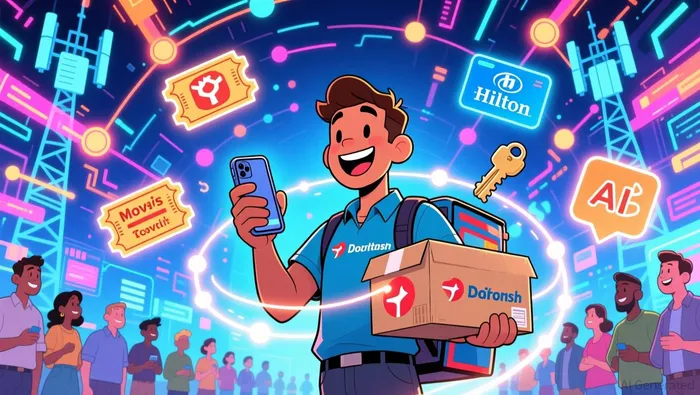
Beyond food delivery, T-Mobile's Magenta Status initiative elevates loyalty by offering VIP benefits such as a 15% discount at Hilton-operated hotels, $5 movie tickets, and exclusive rental car perks according to . These rewards, tailored to high-value customers, reinforce emotional loyalty by aligning with lifestyle preferences. Meanwhile, the T-Mobile Visa credit card, which allows rewards to be redeemed toward phone bills and devices, further deepens financial integration with the brand.
AI-Driven Personalization: The Human-AI Collaboration Model
T-Mobile's success is not solely attributable to perks. The company's AI-powered "Team of Experts" model combines predictive analytics with human empathy to proactively address customer needs. By identifying at-risk subscribers and delivering personalized interventions-such as custom discounts or loyalty rewards-T-Mobile achieved a 40% higher retention rate compared to purely automated or human-only approaches. This hybrid model has led to a 20% reduction in churn and a 30% increase in renewals, demonstrating the power of blending technology with human touchpoints.
The AI strategy also extends to network reliability and customer service. analysis, T-Mobile's investment in AI has preemptively resolved issues, improving satisfaction and reducing attrition. For example, the T-Life app now handles two-thirds of phone upgrades digitally, streamlining interactions and minimizing friction.
Financial and Strategic Implications for Investors
The financial results speak volumes. In Q2 2025, T-Mobile added 1.7 million postpaid net customers and reported a postpaid phone churn rate of 0.90%. By Q3, the company added a record 2.3 million postpaid customers, with postpaid service revenues rising 8% year-over-year. These figures align with broader industry trends: report highlights that telecom providers are increasingly prioritizing value-added services over price cuts to combat churn.
Moreover, T-Mobile's strategic acquisitions-such as Vistar Media and Blis-have enhanced its advertising capabilities, enabling more targeted and privacy-compliant campaigns. This digital transformation not only strengthens customer engagement but also opens new revenue streams through data-driven partnerships.
Challenges and Future Outlook
While T-Mobile's strategy has been largely successful, challenges remain. The DashPass revocation controversy underscores the risks of tying perks to specific plan tiers, potentially alienating customers who feel benefits are unreliable. To mitigate this, T-Mobile must ensure transparency in how perks are structured and communicated.
Looking ahead, the company's focus on emotional loyalty-as opposed to transactional incentives-positions it well for long-term growth. analysis, T-Mobile's Un-carrier strategy has redefined customer expectations, shifting the industry toward relational retention. With continued innovation in AI, exclusive partnerships, and customer-centric initiatives, T-Mobile is likely to maintain its leadership in a market where subscriber stickiness is paramount.
Conclusion
For investors, T-Mobile's limited-edition collaborations and AI-driven retention strategies represent a compelling case study in modern customer loyalty. By combining emotional value with technological precision, the company has not only reduced churn but also created a loyal base of subscribers who view T-Mobile as an essential part of their lifestyle. As the telecom industry evolves, T-Mobile's ability to innovate in this space will remain a key driver of long-term value.







Comentarios
Aún no hay comentarios