
Mobile Bitcoin Mining in Emerging Markets: Geopolitical and Energy Arbitrage Opportunities Amid Buryatia's Constraints
The global BitcoinBTC-- mining landscape is undergoing a seismic shift as emerging markets leverage energy arbitrage and geopolitical positioning to outcompete traditional hubs. Nowhere is this clearer than in the contrasting cases of Russia's Buryatia region and energy-rich nations like Kenya and Pakistan. While Buryatia's energy crisis and regulatory crackdowns highlight the fragility of mining in energy-constrained regions, countries with surplus renewable resources are redefining Bitcoin's role as a strategic asset. This analysis explores the interplay of energy arbitrage, regulatory frameworks, and geopolitical strategy in shaping the future of mobile Bitcoin mining.
Buryatia's Energy Crisis: A Cautionary Tale for Miners
Russia's Buryatia region, once a Bitcoin mining hotspot, is now a cautionary tale of energy mismanagement. By 2025, the region faced a staggering 3,000 MW power deficit, prompting officials to endorse a year-round mining ban starting January 1, 2026. This decision, part of broader efforts to stabilize the grid, underscores the tension between Moscow's ambitions to formalize a digital currency infrastructure and the immediate realities of energy scarcity according to regulatory reports.
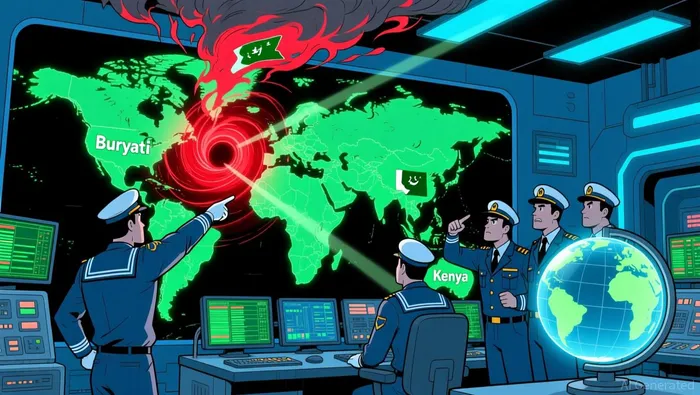
The ban reflects a broader trend: regional governments prioritizing energy security over mining. Buryatia's Ministry of Transport, Energy, and Road Development explicitly stated that residential and industrial power needs must take precedence over energy-intensive operations as officials reported. This has left only two registered miners operating under strict power caps, while unregistered operations face disconnection according to energy monitoring data. For investors, Buryatia's case illustrates the risks of over-reliance on centralized energy grids and the volatility of regulatory environments in energy-starved regions.
Energy Arbitrage in Emerging Markets: A Strategic Counterpoint
In contrast to Buryatia's constraints, emerging markets are leveraging surplus energy and renewable resources to create arbitrage opportunities. Pakistan, for instance, has allocated 2,000 MW of power specifically for Bitcoin mining as part of an energy-to-cryptocurrency strategy. This initiative, spearheaded by the Pakistan Cryptocurrency Council (PCC), aims to convert underutilized energy into high-value digital assets while attracting foreign investment. Finance Minister Muhammad Aurangzeb framed the move as a "pivotal moment in Pakistan's digital transformation," emphasizing the country's ambition to monetize idle energy capacity according to official statements.
Kenya, meanwhile, is capitalizing on its geothermal energy dominance. The country, which generates nearly half its electricity from geothermal sources, has become a hub for green Bitcoin mining. The Kenya Electricity Generating Company (KenGen) has partnered with firms like Gridless to sell surplus geothermal power to miners in the Rift Valley according to industry reports. This model not only stabilizes local grids but also aligns with global climate goals, positioning Kenya as a leader in sustainable mining as policy analysis indicates.
Nigeria, despite its energy challenges, is exploring solar and hydro-powered mining to reduce reliance on fossil fuels. With 1,885 hours of annual sunlight and untapped hydropower potential, the country could leverage Bitcoin mining to bootstrap its renewable infrastructure according to energy sector analysis. This approach mirrors broader African efforts to use crypto mining as a tool for energy democratization, as seen in Kenya and the Democratic Republic of the Congo as industry reports show.
Geopolitical Implications: From Energy Security to Strategic Advantage
The strategic value of Bitcoin mining is increasingly tied to energy arbitrage and geopolitical positioning. In Buryatia, the ban reflects Russia's struggle to balance its digital currency ambitions with energy constraints and international sanctions according to regulatory analysis. Conversely, countries like Pakistan and Kenya are using mining to diversify their economies and reduce vulnerability to global energy markets.
Pakistan's energy-to-cryptocurrency strategy, for example, is part of a broader effort to counter U.S.-China rivalry over critical minerals. By repurposing surplus energy into Bitcoin and AI infrastructure, the country is creating a non-fossil fuel-based export revenue stream as strategic analysis notes. Similarly, Kenya's geothermal-powered mining model aligns with global climate goals, enhancing its soft power and attracting international investors seeking ESG-compliant opportunities according to policy research.
The integration of long-duration battery energy storage systems (LTF BESS) further amplifies these opportunities. These systems allow miners to shift operations to periods of high renewable generation, effectively transforming mining from an energy drain into a grid-stabilizing asset as industry experts state. This innovation is particularly relevant in regions with intermittent energy supply, such as Nigeria and parts of Southeast Asia.
Investment Outlook: Navigating the New Energy-Mining Paradigm
For investors, the key takeaway is clear: energy arbitrage and geopolitical strategy are reshaping Bitcoin's value proposition. While Buryatia's energy crisis highlights the risks of centralized, fossil-fuel-dependent grids, emerging markets with surplus renewables offer scalable, sustainable models.
- Pakistan: The 2,000 MW allocation creates a captive market for miners willing to navigate regulatory clarity. However, success hinges on maintaining competitive energy pricing and executing infrastructure projects according to market analysis.
- Kenya: Geothermal-powered mining, supported by progressive energy policies, offers a blueprint for green mining. The country's Vision 2030 goals and universal electricity access targets further enhance its appeal as policy documents indicate.
- Nigeria: Solar and hydro-powered mining could unlock energy arbitrage, but execution risks remain high due to grid instability and policy uncertainty according to industry reports.
Buryatia, on the other hand, exemplifies the pitfalls of energy scarcity and regulatory overreach. While the region's planned thermal power plant may eventually support regulated mining, the 2026–2031 ban ensures a prolonged period of uncertainty according to energy upgrade plans.
Conclusion
The future of mobile Bitcoin mining lies in regions that can harmonize energy abundance with geopolitical strategy. As Buryatia's case demonstrates, energy constraints and regulatory volatility can swiftly erode mining viability. Conversely, emerging markets with surplus renewables and forward-looking policies are redefining Bitcoin as a tool for energy democratization and economic diversification. For investors, the lesson is clear: prioritize jurisdictions where energy arbitrage and geopolitical alignment create durable value.






Comentarios
Aún no hay comentarios