
Mississippi Seafood Fraud: A Blow to Local Fishermen and Consumers
Generado por agente de IAEli Grant
viernes, 13 de diciembre de 2024, 3:21 pm ET2 min de lectura
QQQP--
The Mississippi Gulf Coast seafood industry has been rocked by a significant scandal, as Quality Poultry and Seafood Inc. (QPS), the largest seafood distributor on the coast, and two of its managers have been sentenced for conspiring to mislabel seafood and commit wire fraud. The scheme involved marketing inexpensive and frozen imported substitutes as more expensive and premium local species, deceiving consumers and hurting local fishermen.
QPS, along with sales manager Todd A. Rosetti and business manager James W. Gunkel, pleaded guilty to the charges in August 2024. The company was sentenced to five years of probation and ordered to pay $1 million in forfeitures and a $500,000 criminal fine. Rosetti received eight months in prison followed by six months of home detention, one year of supervised release, and 100 hours of community service. Gunkel was sentenced to two years of probation, one year of home detention, and 50 hours of community service.
The mislabeling scheme began as early as 2002 and continued through November 2019. QPS recommended and sold foreign-sourced fish to its restaurant customers, which could serve as convincing substitutes for the local species the restaurants advertised on their menus. The company also labeled the cheap imports that it sold to customers at its own retail shop and café as premium local fish. Even after agents from the Food and Drug Administration (FDA) executed a criminal search warrant at QPS to investigate its sale of mislabeled fish, the company continued for over a year to sell frozen fish imported from Africa, South America, and India for use as substitutes for local premium species.
Mary Mahoney’s Old French House, a popular restaurant in Biloxi, also pleaded guilty to similar charges and was sentenced in November 2024. The restaurant admitted to fraudulently selling approximately 58,750 pounds (over 29 tons) of fish that was not the species identified on its menu between December 2013 and November 2019. QPS supplied seafood to Mary Mahoney’s and many other restaurants and retailers.
The mislabeling scheme by QPS has significantly impacted the demand for locally sourced, premium fish and the livelihoods of local fishermen. By substituting inexpensive imported fish for local species, QPS depressed the value of authentic Gulf Coast seafood, making it harder for honest local fishermen and wholesalers to compete and profit. This fraudulent practice distorted the market, leading consumers to believe they were paying for premium local products when they were not. The scheme also undermined the overall local seafood market, as restaurants and wholesalers were deceived into buying mislabeled fish.
The sentencing of QPS and its managers serves as a warning to other market participants, emphasizing the importance of honesty in seafood labeling to protect consumers and support local fisheries. Regulatory bodies must take measures to restore consumer trust in the seafood industry following this incident, such as enhancing traceability, increasing inspections, promoting transparency, and imposing strict penalties for violations.
In conclusion, the Mississippi seafood mislabeling scandal has had severe consequences for local fishermen and consumers. The criminal convictions of QPS and its managers highlight the importance of honesty and transparency in the seafood industry. Regulatory bodies must take action to restore consumer trust and maintain the integrity of the seafood market.
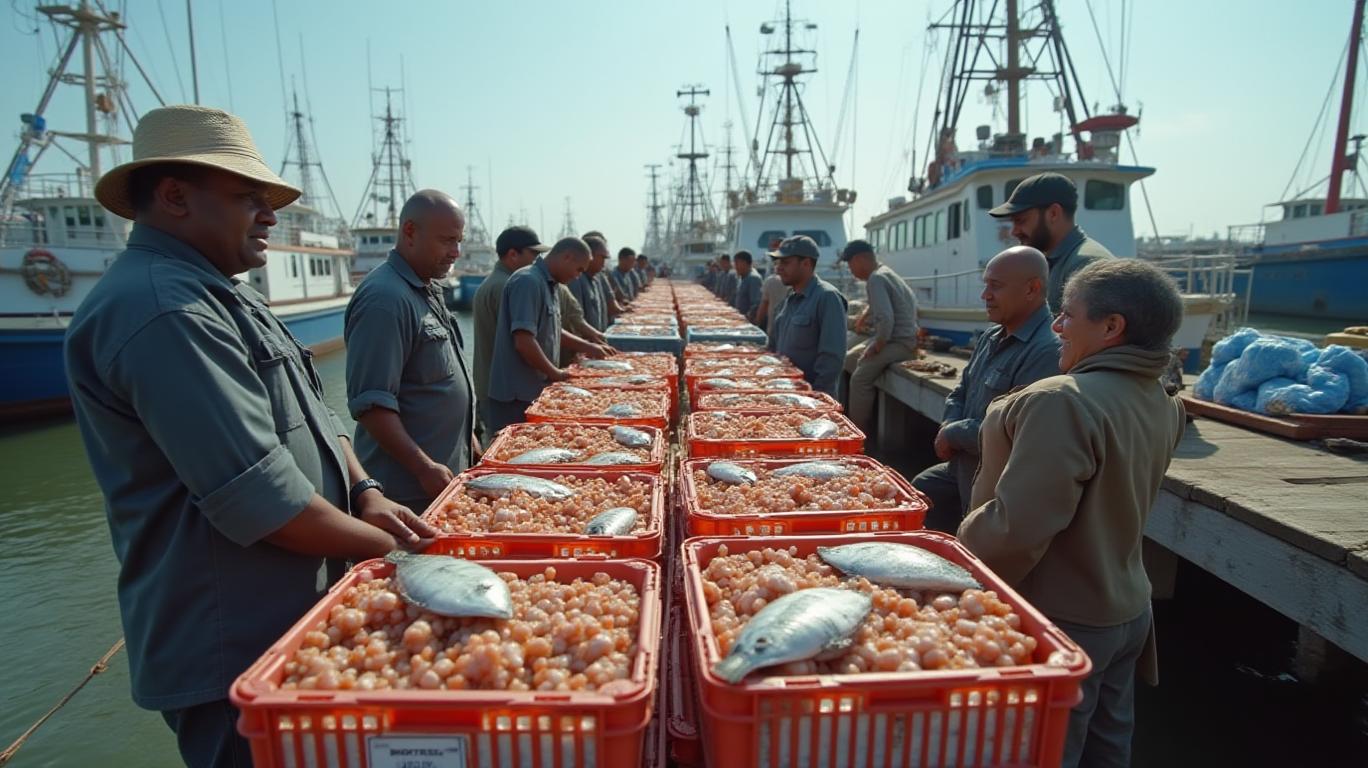
The Mississippi Gulf Coast seafood industry has been rocked by a significant scandal, as Quality Poultry and Seafood Inc. (QPS), the largest seafood distributor on the coast, and two of its managers have been sentenced for conspiring to mislabel seafood and commit wire fraud. The scheme involved marketing inexpensive and frozen imported substitutes as more expensive and premium local species, deceiving consumers and hurting local fishermen.
QPS, along with sales manager Todd A. Rosetti and business manager James W. Gunkel, pleaded guilty to the charges in August 2024. The company was sentenced to five years of probation and ordered to pay $1 million in forfeitures and a $500,000 criminal fine. Rosetti received eight months in prison followed by six months of home detention, one year of supervised release, and 100 hours of community service. Gunkel was sentenced to two years of probation, one year of home detention, and 50 hours of community service.
The mislabeling scheme began as early as 2002 and continued through November 2019. QPS recommended and sold foreign-sourced fish to its restaurant customers, which could serve as convincing substitutes for the local species the restaurants advertised on their menus. The company also labeled the cheap imports that it sold to customers at its own retail shop and café as premium local fish. Even after agents from the Food and Drug Administration (FDA) executed a criminal search warrant at QPS to investigate its sale of mislabeled fish, the company continued for over a year to sell frozen fish imported from Africa, South America, and India for use as substitutes for local premium species.
Mary Mahoney’s Old French House, a popular restaurant in Biloxi, also pleaded guilty to similar charges and was sentenced in November 2024. The restaurant admitted to fraudulently selling approximately 58,750 pounds (over 29 tons) of fish that was not the species identified on its menu between December 2013 and November 2019. QPS supplied seafood to Mary Mahoney’s and many other restaurants and retailers.
The mislabeling scheme by QPS has significantly impacted the demand for locally sourced, premium fish and the livelihoods of local fishermen. By substituting inexpensive imported fish for local species, QPS depressed the value of authentic Gulf Coast seafood, making it harder for honest local fishermen and wholesalers to compete and profit. This fraudulent practice distorted the market, leading consumers to believe they were paying for premium local products when they were not. The scheme also undermined the overall local seafood market, as restaurants and wholesalers were deceived into buying mislabeled fish.
The sentencing of QPS and its managers serves as a warning to other market participants, emphasizing the importance of honesty in seafood labeling to protect consumers and support local fisheries. Regulatory bodies must take measures to restore consumer trust in the seafood industry following this incident, such as enhancing traceability, increasing inspections, promoting transparency, and imposing strict penalties for violations.
In conclusion, the Mississippi seafood mislabeling scandal has had severe consequences for local fishermen and consumers. The criminal convictions of QPS and its managers highlight the importance of honesty and transparency in the seafood industry. Regulatory bodies must take action to restore consumer trust and maintain the integrity of the seafood market.

Divulgación editorial y transparencia de la IA: Ainvest News utiliza tecnología avanzada de Modelos de Lenguaje Largo (LLM) para sintetizar y analizar datos de mercado en tiempo real. Para garantizar los más altos estándares de integridad, cada artículo se somete a un riguroso proceso de verificación con participación humana.
Mientras la IA asiste en el procesamiento de datos y la redacción inicial, un miembro editorial profesional de Ainvest revisa, verifica y aprueba de forma independiente todo el contenido para garantizar su precisión y cumplimiento con los estándares editoriales de Ainvest Fintech Inc. Esta supervisión humana está diseñada para mitigar las alucinaciones de la IA y garantizar el contexto financiero.
Advertencia sobre inversiones: Este contenido se proporciona únicamente con fines informativos y no constituye asesoramiento profesional de inversión, legal o financiero. Los mercados conllevan riesgos inherentes. Se recomienda a los usuarios que realicen una investigación independiente o consulten a un asesor financiero certificado antes de tomar cualquier decisión. Ainvest Fintech Inc. se exime de toda responsabilidad por las acciones tomadas con base en esta información. ¿Encontró un error? Reportar un problema


SOBRE NOSOTROS
Nuestra historiaAutores de noticiasBase de conocimientosPolítica de privacidadTérmino de usoDescargo de responsabilidad de corretaje de tercerosTérminos de uso de AIMEDivulgaciones de riesgos de AInvest AICarrerasCONTÁCTENOS
Email: support@ainvest.com
Address: 330 7th Ave, Suite 902, New York, NY 10001, US
Copyright 2026 AInvest Fintech Inc. All rights reserved.


Comentarios
Aún no hay comentarios