
Misinformation and Biopharma Stock Valuations: Navigating Risks in a Digital Age
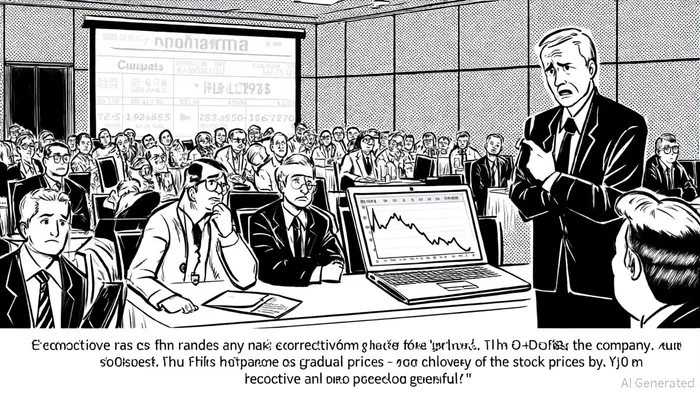
The biopharmaceutical sector, long sensitive to information flows, now faces a new frontier of risk: the pervasive influence of misinformation. Recent studies underscore how deceptive narratives—whether about drug efficacy, regulatory outcomes, or financial performance—can trigger abrupt stock price swings, erode investor confidence, and distort market valuations. For investors, understanding these dynamics and adopting robust risk management strategies is critical to safeguarding portfolios in an era where digital misinformation spreads faster than ever.
The Misinformation-Valuation Link
Biopharma stocks are inherently volatile, driven by clinical trial results, regulatory approvals, and acquisition activity. A 2023–2025 event study of 503,107 news releases found that acquisition-related announcements generated the highest positive abnormal returns, while drug development setbacks caused significant declines[1]. However, misinformation compounds these effects. A 2024 study in the Journal of Accounting and Economics revealed that fabricated news—particularly negative—can manipulate stock prices, even when the claims are debunked[2]. For example, a false report about a real estate company's earnings led to a 40% single-day stock drop, wiping out tens of millions in value[2]. In biopharma, where public perception and regulatory scrutiny intersect, such misinformation can amplify uncertainty.
The sector's vulnerability is further exacerbated by factors like patent expirations, geopolitical tensions, and policy shifts. The 2025 Biopharma Industry Outlook notes that unclear drug pricing policies or tariff changes can amplify misinformation's impact, creating a “double whammy” for investor sentiment[3]. Meanwhile, AI-generated content and lax content moderation on social platforms have made disinformation campaigns more sophisticated and harder to detect[4].
Investor Risk Management Strategies
To mitigate these risks, investors must prioritize transparency, proactive communication, and due diligence. Key strategies include:
Leveraging Regulatory Guidance: The U.S. Food and Drug Administration (FDA) has updated its guidance to allow companies to issue tailored responses to misinformation[5]. For instance, if a third party falsely claims a drug causes harm, firms can create targeted rebuttals—such as short-form videos—to counter the narrative. Investors should favor companies that adopt these FDA-recommended practices, as they demonstrate agility in protecting reputations and market value.
Collaborative Communication: Biopharma firms are increasingly partnering with trusted influencers and patient communities to disseminate accurate information. As Ian Baer of Sooth notes, personal networks are more trusted than institutional messaging[6]. By equipping influencers with science-based content, companies can preempt misinformation and reinforce trust. Investors should assess how effectively firms engage these networks.
Enhanced Due Diligence: The Harvard Law article on digital-age risks highlights the need for multidisciplinary due diligence teams to identify vulnerabilities in corporate policies, such as gaps in user-generated content oversight[4]. Investors should scrutinize companies' governance frameworks, including compliance with evolving regulations like the EU AI Act. Firms with robust cybersecurity measures—such as real-time monitoring of synthetic media—will be better positioned to withstand disinformation campaigns[7].
Portfolio Diversification: Given the sector's volatility, investors should balance portfolios between established therapies and high-risk, high-reward innovations. McKinsey's analysis shows that leading biopharma firms optimize pipelines by increasing “shots on goal” while swiftly exiting underperforming assets[8]. This approach reduces exposure to misinformation-driven shocks in any single therapeutic area.
The Path Forward
The biopharma sector's response to misinformation will shape its long-term resilience. While regulatory tools and corporate transparency are improving, investors must remain vigilant. As AI-generated disinformation becomes more prevalent, the ability to verify claims and act swiftly will separate successful firms from those vulnerable to reputational and financial damage.
For investors, the lesson is clear: misinformation is not just a public relations challenge—it is a material risk that demands strategic, proactive management. By prioritizing transparency, leveraging regulatory tools, and supporting companies with agile communication strategies, investors can navigate the digital age's uncertainties while safeguarding the sector's innovation-driven potential.







Comentarios
Aún no hay comentarios