
The Mirage of Tax-Driven Real Estate Investment: Assessing the Risks of Politically Motivated Strategies in a Post-Trump Era
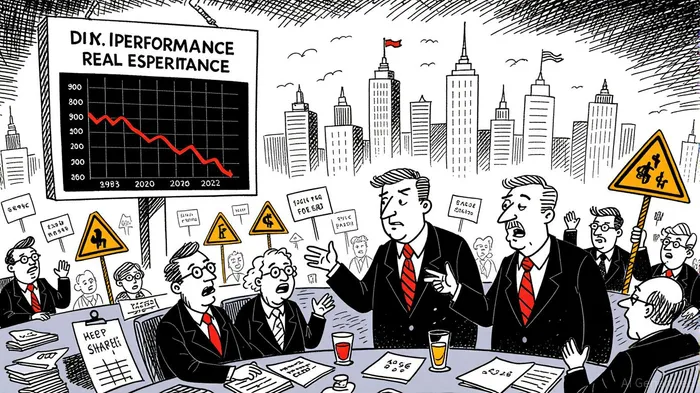
In the post- economic landscape, real estate investors have increasingly turned to tax-benefit-driven strategies, lured by the promise of federal incentives like the and the (OBBBA). These policies, framed as tools to revitalize distressed communities, have instead exposed the fragility of politically motivated investment vehicles. While proponents argue these programs stimulate growth, critics highlight systemic failures: misaligned incentives, , and underperformance. This article dissects the risks of such strategies and offers guidance for investors navigating this volatile terrain.
The Illusion of Tax Incentives: Opportunity Zones and OBBBA
The , launched in 2017, and its 2025 expansion via the , were designed to channel capital into low-income areas through tax deferrals, basis step-ups, and permanent gain exclusions. On paper, these incentives seemed transformative. However, in practice, the programs have disproportionately benefited high-net-worth investors and real estate developers, with minimal impact on the communities they aimed to uplift.
, exacerbating gentrification and displacing low-income residents. The OBBBA's enhancements—such as the 30% basis step-up for rural investments—have further skewed capital toward projects with limited social returns. For instance, the Qualified Rural Opportunity Fund (QROF) reduces the substantial improvement requirement from 100% to 50%, incentivizing developers to prioritize cost-cutting over community-centric development.
Political Motivations and Structural Flaws
The 's political underpinnings reveal a broader trend: the prioritization of private capital over public investment. By offering tax breaks to private equity and institutional investors, the program reinforces existing power structures while sidelining small businesses and infrastructure projects. This aligns with conservative economic narratives that frame tax incentives as “market-driven” solutions, yet the outcomes often diverge from these ideals.
Key structural flaws include:
1. Lack of Accountability: The OBBBA's rolling 10-year zone designations and relaxed eligibility criteria (e.g., .
2. Compliance Burdens, diverting resources from community engagement.
3. Short-Term Focus.
Risks for Investors: Underperformance and Market Distortion
Investors in tax-benefit-driven real estate funds face mounting risks. The 2020–2025 period saw a surge in Opportunity Zone investments, but many funds underperformed due to:
- Overvaluation of Assets.
- Regulatory Uncertainty.
- Market Saturation, particularly in urban areas, .
Investment Advice: Navigating the Post-Trump Era
For investors, the lesson is clear: politically motivated tax incentives are not a substitute for rigorous due diligence. Here's how to mitigate risks:
1. Diversify Beyond Tax-Driven Strategies, mixed-use developments, and infrastructure projects, which offer more stable returns.
2. Prioritize Community Impact: Partner with developers who integrate social metrics (e.g., job creation, resident retention) into their models, ensuring alignment with long-term community goals.
3. Monitor Regulatory Shifts: Stay informed about changes to tax policies, such as the OBBBA's compliance requirements, and adjust investment horizons accordingly.
4. Leverage Data-Driven Analysis.
Conclusion: Reimagining Real Estate Investment
The post-Trump era has underscored the limitations of tax-benefit-driven real estate strategies. While these programs offer short-term gains, their structural flaws and political biases often undermine long-term value. Investors must move beyond the allure of tax incentives and adopt a holistic approach that prioritizes sustainability, equity, and resilience. In a world where policy and profit increasingly collide, the most successful strategies will be those that align with the broader economic and social fabric of the communities they serve.







Comentarios
Aún no hay comentarios