
Miniso's Strategic Spinoff of Top Toy: A Retail Diversification Play in the Booming Collectible-Toy Market
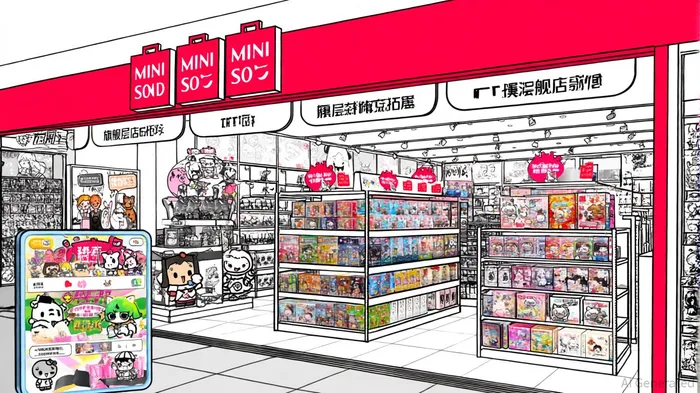
In September 2025, Chinese retail giant Miniso made a bold move to capitalize on the surging demand for collectible toys by spinning off its pop-culture brand Top Toy and listing it separately on the Hong Kong Stock Exchange. This strategic decision, backed by financial heavyweights like UBSUBS-- and JPMorganJPM--, reflects a calculated alignment with evolving consumer trends and a broader retail diversification agenda. For investors, the spinoff raises critical questions: How does this move position Miniso to harness the collectible-toy boom? And what does it reveal about the shifting dynamics of retail in a post-pandemic, nostalgia-driven economy?
The Collectible-Toy Market: A Gold Rush for Nostalgia and Exclusivity
The global collectible-toy market is undergoing a renaissance. According to the Collectible Toy Market Size & Insights Report by GlobalGrowthInsights, the market size was estimated at USD 14.28 billion in 2024 and is projected to reach USD 15.89 billion in 2025, with a compound annual growth rate (CAGR) of 10.16% from 2025 to 2034. This surge is fueled by three key drivers:
1. Nostalgia: Over 40% of demand is linked to retro-themed and franchise-based collectibles, as consumers seek tangible connections to childhood memories, according to the Collectible Toy Market Size & Insights Report.
2. Adult Collectors ("Kidults"): In the U.S., adults now account for 17.3% of toy sales, with 38% actively collecting premium figures and 41% preferring franchise-inspired toys, according to a Toy market report.
3. Digital Integration: Over 42% of collectible toy sales occur online, with platforms like Instagram and Facebook amplifying community engagement and demand for limited-edition drops, the Collectible Toy Market Size & Insights Report also finds.
These trends mirror the success of brands like Pop Mart's Labubu, which has turned blind-box collectibles into a cultural phenomenon. A Miniso spin-off analysis notes Top Toy has 280 stores and USD 187 million in annualized revenue; it is clearly positioning itself to ride this wave.
Miniso's Retail Diversification: From Generalist to Niche Player
Miniso's spinoff of Top Toy is not an isolated move but part of a broader strategy to diversify its retail footprint. The company has long relied on its minimalist, affordable lifestyle products, but the collectible-toy market offers a unique opportunity to tap into premium pricing and IP-driven loyalty.
By separating Top Toy into an independent entity, Miniso aims to:
- Enhance Financial Transparency: Investors will gain clearer visibility into Top Toy's profitability, which is critical for a sector where margins can be volatile due to licensing costs and production expenses, the Collectible Toy Market Size & Insights Report notes.
- Attract Niche Capital: The spinoff allows the company to target investors specifically interested in high-growth consumer segments, such as the "kidult" demographic and digital-native collectors, as covered in Reuters: Miniso spin-off.
- Optimize Operational Efficiency: With Top Toy operating independently, Miniso can focus on its core retail business while the spinoff scales its store network and IP partnerships, according to the toy market report.
This strategy aligns with Miniso's 2025 global retail plan, which includes a five-layer store matrix (ranging from MINISO LAND experiential hubs to pop-up shops) and a dual IP strategy involving collaborations with Disney and Sanrio, as well as in-house brands like PenPen, as described in Miniso IP ecosystem.
Risks and Challenges: Counterfeits, Costs, and Competition
Despite the optimism, the collectible-toy market is not without pitfalls. Rising licensing and material costs are squeezing margins, with 48% of producers citing licensing expenses as a major challenge, the Collectible Toy Market Size & Insights Report indicates. Additionally, counterfeit products are a growing concern, with 41% of brands reporting revenue losses from imitation items, the same report finds. For Top Toy, maintaining brand integrity while scaling will require robust anti-counterfeiting measures and strategic IP management.
Moreover, the market is becoming increasingly crowded. While Top Toy's 280 stores and USD 187 million in revenue are impressive, competitors like Pop Mart and Funko are also expanding aggressively. Differentiation will hinge on Miniso's ability to blend retail innovation (e.g., immersive MINISO Land experiences) with cultural relevance (e.g., leveraging its global IP partnerships).
Investment Implications: A High-Growth Bet with Caveats
For investors, the spinoff presents a compelling case. Top Toy's listing on the Hong Kong Stock Exchange—via a Global Offering and Conditional Distribution in Specie—could unlock significant value for existing shareholders while attracting new capital. The company's focus on premium exclusivity (45% of consumers prefer exclusive toys, per the Collectible Toy Market Size & Insights Report) and digital engagement (e.g., NFT integrations) positions it well for long-term growth.
However, the investment thesis depends on several factors:
- Execution Risk: Can Top Toy maintain its growth trajectory amid rising costs and competition?
- Regulatory Hurdles: The decision to pay U.S. ADS holders in cash instead of shares highlights the complexities of cross-border listings, as Reuters reported.
- Market Saturation: If the collectible-toy boom proves to be a short-lived trend, the spinoff's valuation could face downward pressure.
Conclusion: A Strategic Move in a Transformative Era
Miniso's spinoff of Top Toy is a masterstroke in a retail landscape increasingly defined by niche consumerism and experiential commerce. By isolating its collectible-toy business, the company is not only capitalizing on a high-growth sector but also redefining its identity as a curator of pop culture rather than a mere retailer. For investors, the key takeaway is clear: the collectible-toy market is no longer a side bet—it's a mainstream asset class with the potential to deliver outsized returns, provided companies like Top Toy can navigate the challenges of scale and authenticity.





Comentarios
Aún no hay comentarios