
Miliband's £2bn Subsidy Boost for Wood-Burning Power Stations: A Costly Gamble?
Generado por agente de IAClyde Morgan
lunes, 10 de febrero de 2025, 6:27 am ET1 min de lectura
ELPC--
Energy Secretary Ed Miliband has announced a £2bn subsidy package for wood-burning power stations, including Drax and Lynemouth, sparking controversy and concern among environmental groups. The move, aimed at supporting the transition to clean energy, has raised questions about the economic and environmental implications of subsidizing biomass power.
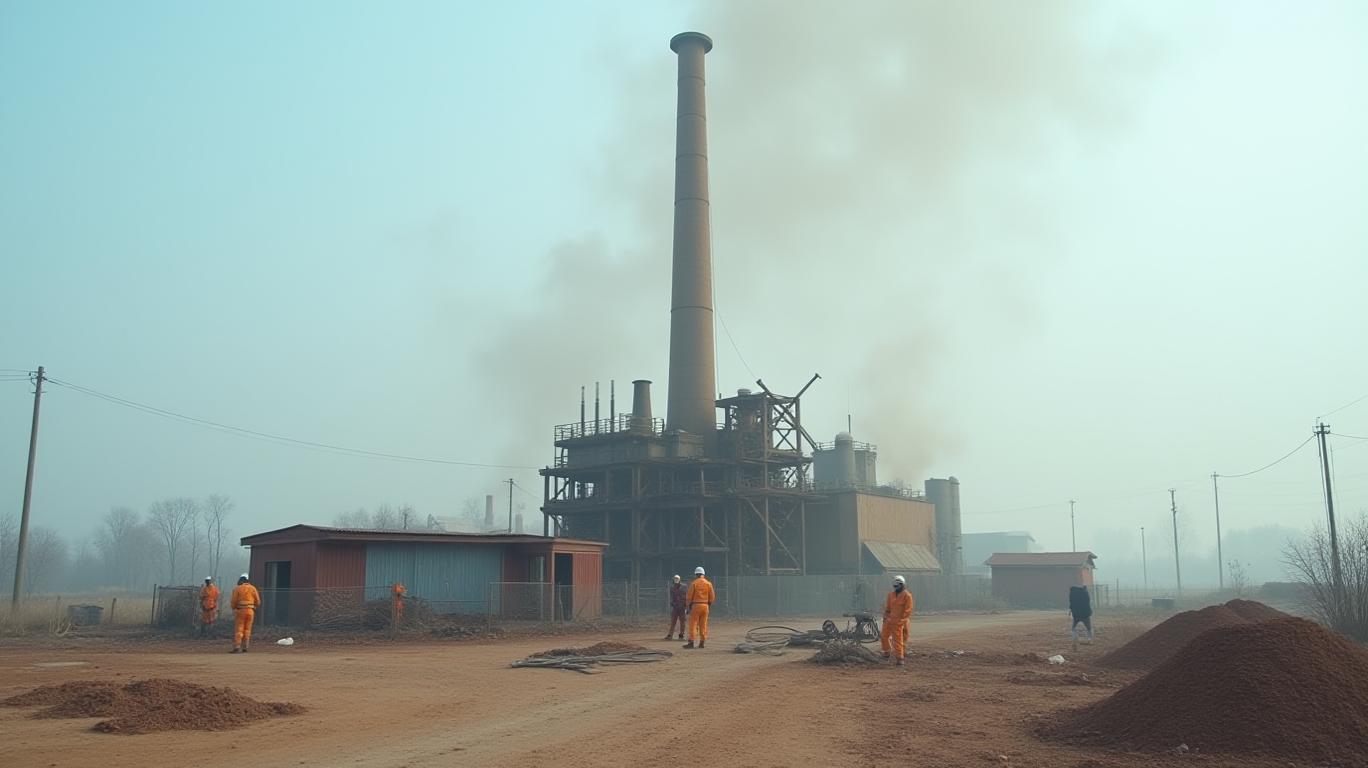
The subsidy package, which will be paid for by energy bill payers, comes as the UK government seeks to achieve its net-zero carbon emissions target by 2050. However, critics argue that the focus on biomass power is misguided and could hinder the country's progress towards a more sustainable energy future.
One of the primary concerns is the impact of biomass power on global deforestation and carbon emissions. Environmental groups have warned that the demand for wood pellets from power plants like Drax and Lynemouth has led to increased logging in biodiverse forests across the world, contributing to habitat destruction and carbon emissions. A study by the UK Energy Research Centre has also raised concerns about the potential for biomass power to increase energy bills, rather than reduce them, due to uncertainty over gas prices.

Moreover, the subsidy package for wood-burning power stations could be seen as a costly gamble, given the availability of more cost-effective and sustainable renewable energy sources. Wind and solar power, for instance, have lower levelized costs of energy (LCOE) compared to biomass, making them more competitive with conventional energy sources. The cost of wind and solar power has also been decreasing, further enhancing their economic viability.
In conclusion, while the £2bn subsidy package for wood-burning power stations may seem like a step towards a cleaner energy future, the environmental and economic implications of subsidizing biomass power are significant. The UK government must carefully consider the potential impacts on global deforestation, carbon emissions, and energy bills, as well as the availability of more cost-effective and sustainable renewable energy sources. By reassessing its support for biomass energy and redirecting subsidies towards wind and solar power, the UK can make more progress towards its net-zero carbon emissions target.
Energy Secretary Ed Miliband has announced a £2bn subsidy package for wood-burning power stations, including Drax and Lynemouth, sparking controversy and concern among environmental groups. The move, aimed at supporting the transition to clean energy, has raised questions about the economic and environmental implications of subsidizing biomass power.
The subsidy package, which will be paid for by energy bill payers, comes as the UK government seeks to achieve its net-zero carbon emissions target by 2050. However, critics argue that the focus on biomass power is misguided and could hinder the country's progress towards a more sustainable energy future.
One of the primary concerns is the impact of biomass power on global deforestation and carbon emissions. Environmental groups have warned that the demand for wood pellets from power plants like Drax and Lynemouth has led to increased logging in biodiverse forests across the world, contributing to habitat destruction and carbon emissions. A study by the UK Energy Research Centre has also raised concerns about the potential for biomass power to increase energy bills, rather than reduce them, due to uncertainty over gas prices.
Moreover, the subsidy package for wood-burning power stations could be seen as a costly gamble, given the availability of more cost-effective and sustainable renewable energy sources. Wind and solar power, for instance, have lower levelized costs of energy (LCOE) compared to biomass, making them more competitive with conventional energy sources. The cost of wind and solar power has also been decreasing, further enhancing their economic viability.
In conclusion, while the £2bn subsidy package for wood-burning power stations may seem like a step towards a cleaner energy future, the environmental and economic implications of subsidizing biomass power are significant. The UK government must carefully consider the potential impacts on global deforestation, carbon emissions, and energy bills, as well as the availability of more cost-effective and sustainable renewable energy sources. By reassessing its support for biomass energy and redirecting subsidies towards wind and solar power, the UK can make more progress towards its net-zero carbon emissions target.

Divulgación editorial y transparencia de la IA: Ainvest News utiliza tecnología avanzada de Modelos de Lenguaje Largo (LLM) para sintetizar y analizar datos de mercado en tiempo real. Para garantizar los más altos estándares de integridad, cada artículo se somete a un riguroso proceso de verificación con participación humana.
Mientras la IA asiste en el procesamiento de datos y la redacción inicial, un miembro editorial profesional de Ainvest revisa, verifica y aprueba de forma independiente todo el contenido para garantizar su precisión y cumplimiento con los estándares editoriales de Ainvest Fintech Inc. Esta supervisión humana está diseñada para mitigar las alucinaciones de la IA y garantizar el contexto financiero.
Advertencia sobre inversiones: Este contenido se proporciona únicamente con fines informativos y no constituye asesoramiento profesional de inversión, legal o financiero. Los mercados conllevan riesgos inherentes. Se recomienda a los usuarios que realicen una investigación independiente o consulten a un asesor financiero certificado antes de tomar cualquier decisión. Ainvest Fintech Inc. se exime de toda responsabilidad por las acciones tomadas con base en esta información. ¿Encontró un error? Reportar un problema


SOBRE NOSOTROS
Nuestra historiaAutores de noticiasBase de conocimientosPolítica de privacidadTérmino de usoDescargo de responsabilidad de corretaje de tercerosTérminos de uso de AIMEDivulgaciones de riesgos de AInvest AICarrerasCONTÁCTENOS
Email: support@ainvest.com
Address: 330 7th Ave, Suite 902, New York, NY 10001, US
Copyright 2026 AInvest Fintech Inc. All rights reserved.


Comentarios
Aún no hay comentarios