
Middle East Geopolitical Risks and Global Markets: Short-Term Trading Opportunities in Defense and Energy Sectors
The October 2025 peace deal between Israel and Hamas has reshaped global market dynamics, offering both challenges and opportunities for short-term traders in the defense and energy sectors. While the agreement has reduced immediate geopolitical risks, it has also triggered a recalibration of asset valuations, creating nuanced entry points for investors attuned to regional volatility and macroeconomic shifts.
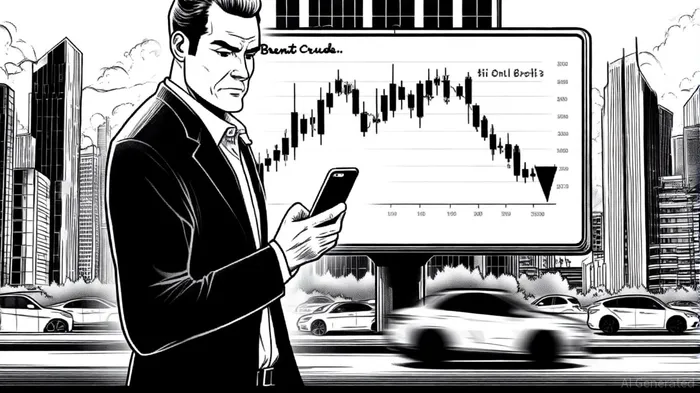
Energy Sector: De-Risking and Supply Dynamics
The peace deal's most immediate impact has been on oil markets. According to an Invezz analysis, Brent crude prices fell by 1–2% as the "war premium" embedded in oil prices unwound. This decline reflects a broader market reassessment, with analysts noting that global demand trends and OPEC+ policies now dominate pricing mechanisms. However, the IEA cautions in its IEA report that a looming supply surplus-projected at 4 million barrels per day in 2026-will likely cap bullish momentum, even as regional stability improves.
For short-term traders, the energy sector offers opportunities in two areas:
1. Oil Price Volatility: While the peace deal has reduced geopolitical risk, traders should monitor inventory levels and OPEC+ production decisions. A strengthening U.S. dollar, which makes oil more expensive for non-dollar buyers, could further pressure prices (as noted in the Invezz analysis).
2. Energy Transition Plays: Gulf sovereign funds are increasingly investing in green hydrogen and AI-ready grids, signaling long-term growth in energy diversification, according to a Market Reporter analysis. Traders might consider cyclical plays in renewable infrastructure, though these require a medium-term horizon.
Defense Sector: A Tale of Two Markets
The defense sector's response to the peace deal has been mixed. European defense stocks, as reported by CNBC, fell 1.9% in the week following the agreement, reflecting reduced demand for conflict-driven assets. In contrast, U.S. defense stocks have historically shown resilience during geopolitical tensions, with companies like Raytheon Technologies (RTX) and Northrop GrummanNOC-- (NOC) benefiting from surging military budgets, according to a Motley Fool list.
However, post-peace deal dynamics introduce new variables:
- Government Policy Signals: U.S. Treasury Secretary Scott Bessent's comments on potential limits to defense company buybacks have raised investor concerns about profitability and reinvestment potential, a point also highlighted by the Motley Fool. This policy uncertainty could weigh on short-term momentum.
- ETF Opportunities: Defense sector ETFs like the Global X Defense Tech ETF (SHLD) and Themes Transatlantic Defense ETF (NATO) have delivered robust returns (82.4% and 44.2% year-to-date, respectively), driven by demand for AI, cybersecurity, and missile systems, per the Invezz analysis. These funds offer diversified exposure to firms with strong government contract backlogs, such as Lockheed MartinLMT-- and Palantir (see the Motley Fool list).
Strategic Trading Considerations
For traders seeking to capitalize on these dynamics, the following strategies emerge:
1. Energy Sector:
- Short-Term Bets: Use options or futures to hedge against oil price declines, particularly if OPEC+ maintains production discipline.
- Longer-Term Plays: Position in energy transition ETFs or individual stocks tied to green hydrogen projects in the Gulf.
2. Defense Sector:
- ETF Rotation: Shift allocations to defense ETFs with a focus on emerging technologies (e.g., SHLD) rather than pure-play military contractors, which may face policy headwinds.
- Event-Driven Trades: Monitor U.S. election-related defense spending announcements and regional instability in Iran or Yemen for potential volatility triggers, per a CambriaRisk forecast.
Conclusion
The October 2025 peace deal has recalibrated global markets, reducing immediate risks but introducing new uncertainties tied to policy and supply dynamics. While energy traders must navigate a delicate balance between de-escalation and oversupply, defense investors face a sector at a crossroads between long-term fiscal commitments and short-term policy shifts. By leveraging ETFs and staying attuned to macroeconomic signals, traders can position themselves to capitalize on these evolving opportunities.





Comentarios
Aún no hay comentarios