
Middle East Conflict Escalates as Iran Admits to Unlocated Naval Mines in Strait of Hormuz
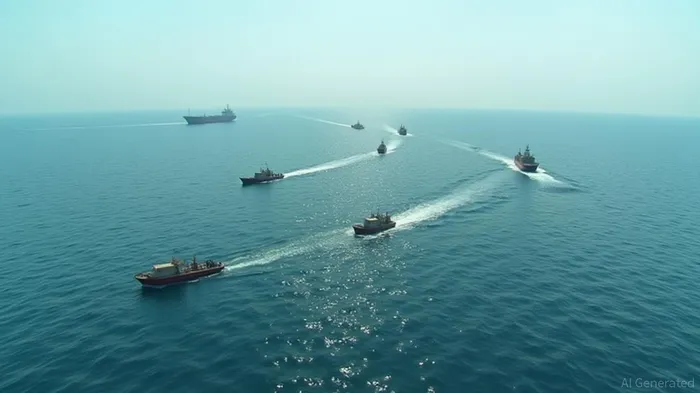
Iran has admitted it cannot locate or remove all naval mines laid in the Strait of Hormuz, threatening to derail President Trump's mandate for a "complete, immediate, and safe" reopening of the waterway. The Iranian Islamic Revolutionary Guards Corps used hundreds of small boats to mine the strait, and many of the devices were laid in a manner that allowed them to drift, rendering previous "safe route" charts unreliable. The mines create a significant logistical barrier for global shipping firms, and Iran's inability to clear them quickly could undermine the "maximum leverage" the White House hoped to exercise following its recent military successes.
Iran has admitted it cannot locate or remove all naval mines laid in the Strait of Hormuz, threatening to derail President Trump's mandate for a "complete, immediate, and safe" reopening of the waterway. The Iranian Islamic Revolutionary Guards Corps used hundreds of small boats to mine the strait, and many of the devices were laid in a manner that allowed them to drift, rendering previous "safe route" charts unreliable. The mines create a significant logistical barrier for global shipping firms, and Iran's inability to clear them quickly could undermine the "maximum leverage" the White House hoped to exercise following its recent military successes.
The Strait of Hormuz, a critical global energy chokepoint, carries about one-fifth of the world's crude oil and liquefied natural gas (LNG) trade. Iranian forces have deployed a combination of mine-laying vessels, explosive-laden boats, and shore-based missile batteries to disrupt traffic, effectively closing the strait since the start of the conflict. Despite U.S. and Israeli military actions, including the destruction of 16 Iranian minelayers, the threat remains significant. Iran retains a large portion of its mine-laying capabilities, and the dispersed nature of the mines complicates removal efforts.
Shipping companies have suspended operations through the strait and rerouted vessels around the southern tip of Africa, increasing transit times and costs. Major carriers such as Maersk, MSC, Hapag-Lloyd, and CMA CGM have issued guidance to avoid the region, citing safety concerns. The uncertainty has also caused volatility in global oil markets, with prices fluctuating sharply amid fears of prolonged disruption.
Efforts to reopen the strait face both military and diplomatic challenges. While Trump has emphasized the need for naval escorts and mine-clearance operations, military experts argue that such measures are impractical in a narrow, high-risk waterway. Instead, a multinational force and a U.N. resolution may be necessary to restore confidence in the strait's safety. Until then, commercial traffic is unlikely to resume at pre-conflict levels.






Comentarios
Aún no hay comentarios