
Microsoft's AI Chip Deal with UAE: A Geopolitical Game Changer
Generado por agente de IAEli Grant
sábado, 7 de diciembre de 2024, 1:02 pm ET1 min de lectura
MSFT--
Microsoft's recent deal to export advanced AI chips to the United Arab Emirates (UAE), as reported by Axios, has significant implications for the tech giant, the Middle East, and the global AI chip market. This article explores the strategic benefits, potential risks, and geopolitical dynamics of this agreement.
Microsoft's expansion into the UAE's AI chip market, facilitated by the export clearance, presents several strategic advantages. Firstly, it allows Microsoft to tap into the growing Middle Eastern tech market, which is expected to reach $155 billion by 2025. Secondly, the UAE's Vision 2021 and AI Strategy 2031 emphasize the adoption of AI and digital technologies, creating a favorable environment for Microsoft's AI chips. Lastly, this move strengthens Microsoft's position in the global AI chip market, enabling it to compete with other tech giants and capitalize on the increasing demand for AI-powered solutions.
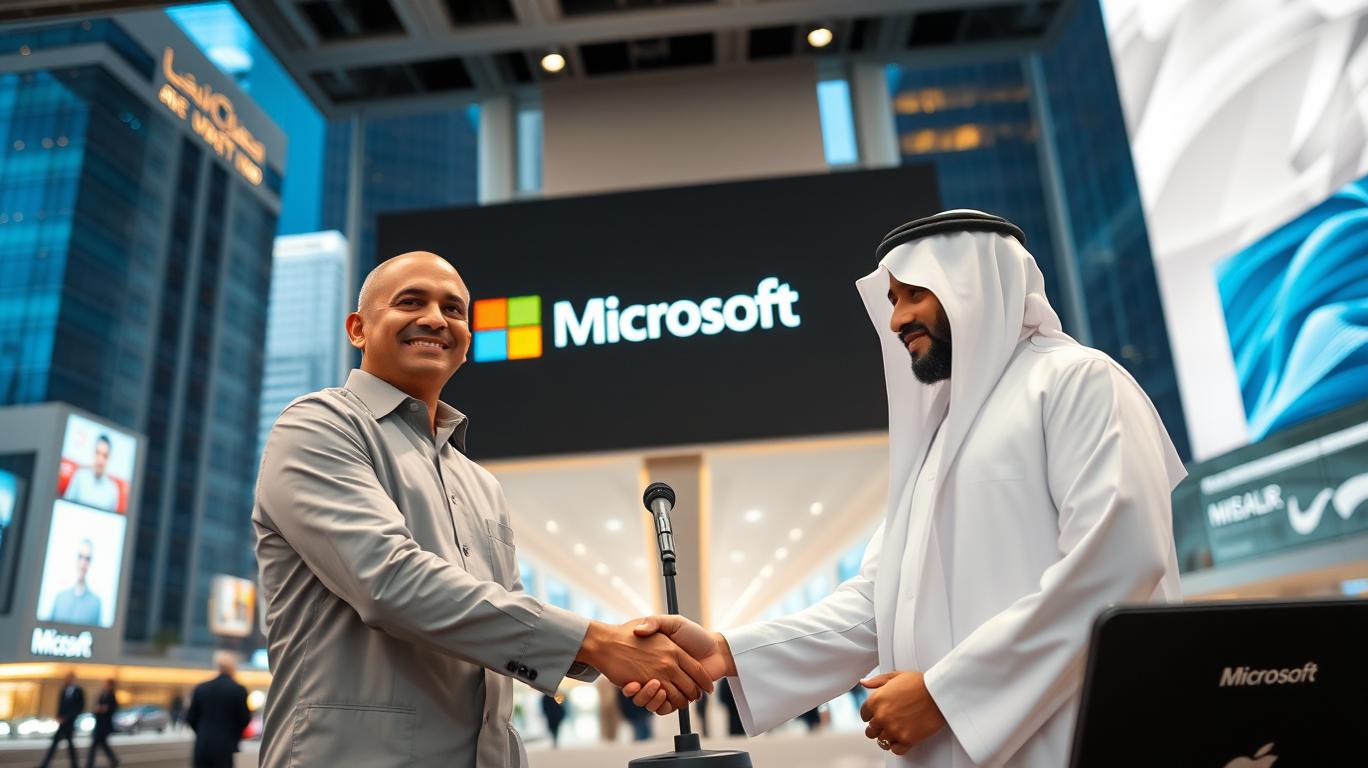
However, the deal also presents potential regulatory and geopolitical risks that could impact Microsoft's financial performance. The export of advanced AI chips to the UAE may face scrutiny from U.S. regulators, such as the Committee on Foreign Investment in the United States (CFIUS), which oversees foreign investments in U.S. companies. CFIUS may review the transaction to ensure it aligns with U.S. national security interests, potentially leading to delays or restrictions on the export. Additionally, geopolitical tensions in the Middle East could pose risks. The UAE's involvement in regional conflicts, such as the Yemen war, may raise concerns about the use of these AI chips in military applications. Furthermore, the deal could face opposition from other countries, such as Iran, which may view the export as a threat to regional security.
The deal also has significant geopolitical implications. The UAE, a key U.S. ally in the Middle East, gains access to cutting-edge technology, enhancing its military and cyber capabilities. This could shift the regional balance of power, potentially challenging Iran and other rivals. However, the deal also strengthens U.S. influence in the region, as it maintains control over the technology's export. Investors should monitor the geopolitical dynamics and consider the potential impact on regional stability and U.S.-UAE relations.
In conclusion, Microsoft's deal to export advanced AI chips to the UAE presents both opportunities and risks. While it strengthens Microsoft's position in the global AI chip market and opens up new markets, it also raises regulatory and geopolitical concerns. As investors evaluate the potential impact of this deal, they should consider the strategic benefits, potential risks, and geopolitical dynamics at play. By doing so, they can make informed decisions about their investments in Microsoft and the broader tech sector.
Microsoft's recent deal to export advanced AI chips to the United Arab Emirates (UAE), as reported by Axios, has significant implications for the tech giant, the Middle East, and the global AI chip market. This article explores the strategic benefits, potential risks, and geopolitical dynamics of this agreement.
Microsoft's expansion into the UAE's AI chip market, facilitated by the export clearance, presents several strategic advantages. Firstly, it allows Microsoft to tap into the growing Middle Eastern tech market, which is expected to reach $155 billion by 2025. Secondly, the UAE's Vision 2021 and AI Strategy 2031 emphasize the adoption of AI and digital technologies, creating a favorable environment for Microsoft's AI chips. Lastly, this move strengthens Microsoft's position in the global AI chip market, enabling it to compete with other tech giants and capitalize on the increasing demand for AI-powered solutions.
However, the deal also presents potential regulatory and geopolitical risks that could impact Microsoft's financial performance. The export of advanced AI chips to the UAE may face scrutiny from U.S. regulators, such as the Committee on Foreign Investment in the United States (CFIUS), which oversees foreign investments in U.S. companies. CFIUS may review the transaction to ensure it aligns with U.S. national security interests, potentially leading to delays or restrictions on the export. Additionally, geopolitical tensions in the Middle East could pose risks. The UAE's involvement in regional conflicts, such as the Yemen war, may raise concerns about the use of these AI chips in military applications. Furthermore, the deal could face opposition from other countries, such as Iran, which may view the export as a threat to regional security.
The deal also has significant geopolitical implications. The UAE, a key U.S. ally in the Middle East, gains access to cutting-edge technology, enhancing its military and cyber capabilities. This could shift the regional balance of power, potentially challenging Iran and other rivals. However, the deal also strengthens U.S. influence in the region, as it maintains control over the technology's export. Investors should monitor the geopolitical dynamics and consider the potential impact on regional stability and U.S.-UAE relations.
In conclusion, Microsoft's deal to export advanced AI chips to the UAE presents both opportunities and risks. While it strengthens Microsoft's position in the global AI chip market and opens up new markets, it also raises regulatory and geopolitical concerns. As investors evaluate the potential impact of this deal, they should consider the strategic benefits, potential risks, and geopolitical dynamics at play. By doing so, they can make informed decisions about their investments in Microsoft and the broader tech sector.

Divulgación editorial y transparencia de la IA: Ainvest News utiliza tecnología avanzada de Modelos de Lenguaje Largo (LLM) para sintetizar y analizar datos de mercado en tiempo real. Para garantizar los más altos estándares de integridad, cada artículo se somete a un riguroso proceso de verificación con participación humana.
Mientras la IA asiste en el procesamiento de datos y la redacción inicial, un miembro editorial profesional de Ainvest revisa, verifica y aprueba de forma independiente todo el contenido para garantizar su precisión y cumplimiento con los estándares editoriales de Ainvest Fintech Inc. Esta supervisión humana está diseñada para mitigar las alucinaciones de la IA y garantizar el contexto financiero.
Advertencia sobre inversiones: Este contenido se proporciona únicamente con fines informativos y no constituye asesoramiento profesional de inversión, legal o financiero. Los mercados conllevan riesgos inherentes. Se recomienda a los usuarios que realicen una investigación independiente o consulten a un asesor financiero certificado antes de tomar cualquier decisión. Ainvest Fintech Inc. se exime de toda responsabilidad por las acciones tomadas con base en esta información. ¿Encontró un error? Reportar un problema


SOBRE NOSOTROS
Nuestra historiaAutores de noticiasBase de conocimientosPolítica de privacidadTérmino de usoDescargo de responsabilidad de corretaje de tercerosTérminos de uso de AIMEDivulgaciones de riesgos de AInvest AICarrerasCONTÁCTENOS
Email: support@ainvest.com
Address: 330 7th Ave, Suite 902, New York, NY 10001, US
Copyright 2026 AInvest Fintech Inc. All rights reserved.


Comentarios
Aún no hay comentarios