
Micron (MU): A High-Conviction Play in the AI-Driven Memory Megatrend
The global transition to artificial intelligence (AI) has ignited a structural shift in the semiconductor industry, with memory chips emerging as the linchpin of this transformation. At the center of this revolution is Micron TechnologyMU-- (NASDAQ:MU), a company uniquely positioned to capitalize on the confluence of surging demand for high-bandwidth memory (HBM) and DRAM, constrained supply dynamics, and a pricing upcycle that is redefining the memory sector. As AI infrastructure expands at an unprecedented pace, Micron's strategic focus on advanced memory solutions, coupled with its operational resilience, has solidified its status as a high-conviction investment.
Structural Supply Constraints and Pricing Power
The AI-driven demand for HBM and DRAM has created a perfect storm of supply-side bottlenecks. Major memory manufacturers, including Samsung, SK Hynix, and MicronMU--, have reallocated wafer capacity from conventional DRAM and NAND flash to prioritize high-margin HBM production for AI data centers. This shift has exacerbated shortages, with DDR5 RAM prices surging over 50% in early 2025 and PC manufacturers like Dell and Lenovo facing cost pressures. Crucially, these constraints are not cyclical but structural, as the reallocation of silicon wafer capacity toward HBM and DDR5 is expected to persist through late 2027.
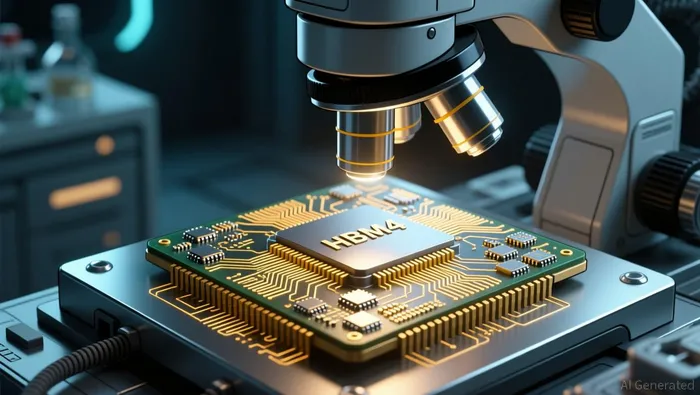
Micron's pricing power is further amplified by its leadership in HBM3E production, which is already sold out for 2026, and its early-stage transition to HBM4. Analysts project that DRAM average selling prices will rise by 20-25% quarter-over-quarter in early 2026, driven by ongoing supply constraints and AI infrastructure demand. This pricing momentum is supported by industry peers: Samsung and SK Hynix have also raised HBM prices by 20% for 2026, creating a favorable environment for Micron's margins.
Bernstein's Upgraded Outlook and Record Earnings
According to Bernstein SocGen Group, recently upgraded Micron's price target from $270 to $330, maintaining an "Outperform" rating, underscores the firm's confidence in the company's trajectory. This upgrade follows Micron's record first-quarter 2026 performance, which included $13.64 billion in revenue and a 39.8% gross margin. The company's strategic pivot to AI-driven memory and storage solutions-evidenced by its decision to divest the Crucial consumer business-has further concentrated its resources on high-growth segments.
Micron's capital expenditures for 2026 are projected to reach $20 billion, with new fabrication facilities in Idaho and New York slated to begin production by mid-2027. These investments are critical to addressing the structural supply gap, as HBM production requires three times the wafer space of DDR5, limiting Micron's ability to meet 100% of customer demand in the near term. Despite these constraints, the company forecasts that the HBM total addressable market (TAM) will reach $100 billion by 2028, a figure that validates its long-term growth potential.
Retail Investor Sentiment and Market Dynamics
Retail investor sentiment toward Micron has been overwhelmingly bullish, reflecting the company's dominance in the AI memory landscape. Micron's stock surged over 240% in 2025, fueled by its record earnings and strategic realignment. Social media platforms like Stocktwits have amplified this optimism, with users projecting price targets as high as $300–$1,000 by 2027. Technical indicators and analyst upgrades further reinforce this bullish outlook: Morgan Stanley and Bank of America have raised their price targets to $500 and $300, respectively, while the consensus analyst rating remains at "Strong Buy" with price targets reaching $350.
This retail enthusiasm is not unfounded. Micron's 66% profit margin in its cloud memory business and its role in supplying HBM for hyperscalers like Microsoft and Google have cemented its position as a critical enabler of the AI revolution. Moreover, AltIndex's sentiment score of 91 out of 100 for Micron places it in the 85th percentile compared to its peers, highlighting its strong market positioning.
Strategic Implications for Investors
The interplay of structural supply constraints, pricing power, and AI-driven demand creates a compelling case for strategic investment in Micron. Unlike cyclical memory cycles, the current upcycle is underpinned by long-term trends, including the proliferation of generative AI, the expansion of hyperscale data centers, and the transition to advanced memory architectures. Micron's ability to secure multi-year supply contracts and its aggressive capital allocation strategy position it to outperform peers in this environment.
However, investors must remain cognizant of near-term risks, such as the lag in new fabrication capacity and the potential for demand moderation in consumer electronics. Yet, given the structural nature of the supply-demand imbalance and Micron's dominant role in HBM, these risks appear secondary to the company's long-term growth trajectory.
Conclusion
Micron Technology stands at the intersection of two megatrends: the AI revolution and the memory supercycle. With Bernstein's upgraded price target, record earnings, and a pricing environment that favors memory producers, the company is well-positioned to deliver outsized returns for investors. As AI infrastructure spending accelerates and supply constraints persist, Micron's strategic focus on HBM and DRAM will likely drive margin expansion and market share gains, making it a cornerstone of the AI-driven economy.







Comentarios
Aún no hay comentarios