
MGM Resorts' Yonkers Project: A Strategic Pivot to Dominance in the Northeast Gaming Market
The Northeast U.S. gaming market is a high-stakes arena, crowded with established players like Mohegan Sun, Foxwoods, and Resorts World Catskills. Yet, MGM Resorts has quietly positioned itself to redefine the landscape with its $2.3 billion transformation of Empire City Casino in Yonkers, New York. This project, if approved, could solidify MGM's foothold in one of the nation's most lucrative but competitive markets—and offer investors a compelling growth story.
The Strategic Play: Why Yonkers Matters
Yonkers sits just 15 miles north of Manhattan, making it an ideal gateway to the NYC metro area's 20 million residents—a demographic with high disposable income and a penchant for entertainment. The current Empire City Casino, which MGM acquired in 2019, has struggled to compete with newer, more diversified properties. The proposed overhaul aims to turn it into a “destination resort,” blending high-end gaming, live entertainment, and sustainability—a formula proven to drive repeat visits and premium spending.
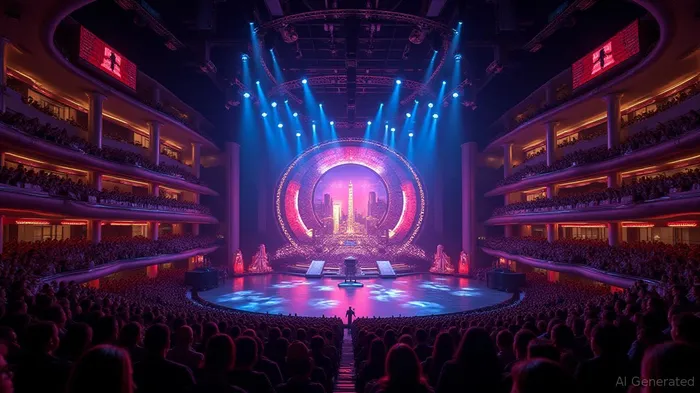
The project's cornerstone is a 5,000-seat indoor arena, which could host concerts, comedy shows, and esports events. Pair that with a BetMGM Sportsbook, upgraded dining options, and solar-powered infrastructure, and MGM is creating a multi-faceted offering that transcends traditional gaming. This strategy mirrors its success at National Harbor in Maryland and Beau Rivage in Mississippi, where integrated resorts boosted revenue per customer by 20–30% compared to standalone casinos.
The Financial Case: Revenue Growth and Community Ties
The numbers are staggering. MGM projects annual gross gaming revenue of over $1 billion once the project is complete in mid-2029—a 50% increase over Empire City's current $650 million. The economic impact extends beyond the slot machines: 2,000 direct jobs, $102 million in wages annually, and over $5 billion in state education funding since 2006 (with $1.6 billion contributed under MGM ownership).
But the real win for MGM is the community buy-in. A 20% tax revenue split with Yonkers, Westchester County, and neighboring regions addresses local concerns about traffic and public safety. A Community Benefits Agreement mandates infrastructure improvements, such as road upgrades and water line modernization, while a dedicated advisory council ensures transparency. This alignment reduces regulatory and political risks—a critical factor in a market where licenses are scarce and contentious.
Risks and the Path Forward
The project's fate hinges on two critical milestones: licensing approval by late 2025 and securing final zoning and construction permits. If denied, MGM's stock could face a short-term dip, as Yonkers represents a significant portion of its Northeast growth thesis.
Competitive pressures also loom. Resorts World Catskills, for instance, has invested heavily in its own resort-style amenities, while New York's online sports betting market remains fragmented. MGM's BetMGM partnership gives it a leg up, but execution is key.
Investment Thesis: A Long-Term Bet on Northeast Dominance
For investors, the Yonkers project is a “high reward, moderate risk” opportunity. Here's why to consider MGM:
1. Geographic Diversification: The Northeast, with its high population density and untapped entertainment demand, offers scale unmatched by Sun Belt markets.
2. Margin Expansion: Integrated resorts typically carry higher margins than standalone casinos due to diversified revenue streams.
3. Sustainability as a Selling Point: The solar-powered parking and EV infrastructure align with ESG trends, attracting socially conscious investors.
Buy Signal: If the license is granted by late 2025, MGM's stock could rally as Wall Street revises revenue estimates upward. A price target of $50–$60 (vs. June 2025's ~$38) seems reasonable, assuming a 20x P/E multiple on projected 2029 earnings.
Wait-and-See Approach: For cautious investors, hold off until the license is secured. A rejection would force MGM to pivot, potentially diluting shareholder value.
Conclusion: A Blueprint for Future Growth
The Yonkers project isn't just about flipping a few slot machines; it's MGM's blueprint to dominate a mature market by redefining what a casino can be. With New York's gaming landscape poised for consolidation post-pandemic, this $2.3 billion bet could be the catalyst for sustained growth—and a reminder that in entertainment, innovation still beats tradition.
Investors who bet on MGM's vision here may find themselves in the right seat for a long ride.







Comentarios
Aún no hay comentarios