
Mexico's Cruise Tax: A Storm on the Horizon for Tourism?
Generado por agente de IAWesley Park
miércoles, 4 de diciembre de 2024, 2:24 pm ET1 min de lectura
SHIP--
In a move that has sent shockwaves through the tourism industry, Mexico's Senate has voted to impose a $42 per head tax on cruise ship passengers for port calls. This unexpected decision has raised concerns about the country's competitiveness in the Caribbean cruise market and the potential impact on local economies and jobs.
The new tax, which is expected to take effect next month, has been met with strong opposition from the cruise industry. The Florida-Caribbean Cruise Association (FCCA), representing 23 major cruise lines, warned that the fee would make Mexican ports 213% more expensive than the average Caribbean port. This could drive ships to cheaper alternatives, such as Jamaica, which only charges $20 per passenger.
The FCCA expressed disappointment over the lack of consultation with cruise lines, stating that the unilateral decision was "particularly damaging" to Quintana Roo, where cruise tourism accounts for 40% of its GDP. The association also warned that the tax could lead cruise lines to reevaluate their investments in Mexico, potentially altering itineraries and favoring cheaper Caribbean destinations.
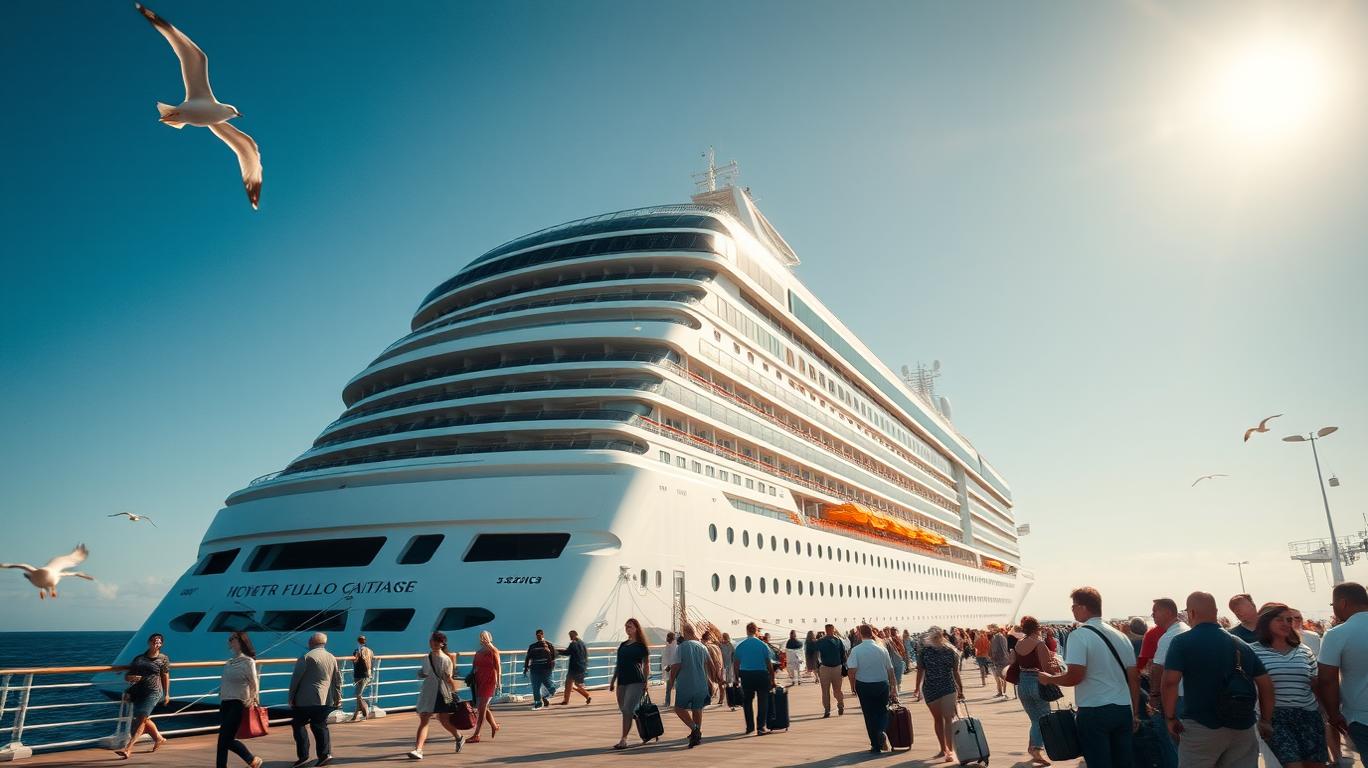
Mexico's Caribbean coast is one of the most popular cruising destinations for Americans, with 3,300 ship calls slated for 2025. Cozumel, the world's busiest port, draws in 2.94 million cruise passengers annually. However, the new tax could significantly impact the regional landscape, pricing Mexico out of the cruise market and leading to a decrease in visitors.
The Mexican Association of Shipping Agents (AMANAC) also criticized the move, calling it a "unilateral decision" that could make Mexican ports uncompetitively expensive. The association warned that the tax would severely affect the competitiveness of Mexican ports with other Caribbean destinations, potentially resulting in a significant decrease in visitors.
The loss of cruise passengers could negatively impact local businesses and employees in Mexican ports, given the industry's substantial contribution to the economy. According to the FCCA, cruise tourism contributes approximately $1 billion in direct spending to Mexico's economy, supporting more than 20,000 jobs and over $200 million in wages annually. The tax could make Mexico itineraries more expensive, reducing demand for port calls and potentially leading to job losses in sectors such as shops, restaurants, and tour operators.
In conclusion, Mexico's Senate vote to impose a $42 per-head tax on cruise ship passengers has raised serious concerns about the country's competitiveness in the Caribbean cruise market. The potential impact on local economies and jobs, as well as the threats to the tourism industry, underscore the importance of reevaluating this decision. As the cruise industry grapples with the implications, it is crucial for Mexico to engage in dialogue with cruise lines and consider the long-term effects of this tax on the country's tourism economy.
In a move that has sent shockwaves through the tourism industry, Mexico's Senate has voted to impose a $42 per head tax on cruise ship passengers for port calls. This unexpected decision has raised concerns about the country's competitiveness in the Caribbean cruise market and the potential impact on local economies and jobs.
The new tax, which is expected to take effect next month, has been met with strong opposition from the cruise industry. The Florida-Caribbean Cruise Association (FCCA), representing 23 major cruise lines, warned that the fee would make Mexican ports 213% more expensive than the average Caribbean port. This could drive ships to cheaper alternatives, such as Jamaica, which only charges $20 per passenger.
The FCCA expressed disappointment over the lack of consultation with cruise lines, stating that the unilateral decision was "particularly damaging" to Quintana Roo, where cruise tourism accounts for 40% of its GDP. The association also warned that the tax could lead cruise lines to reevaluate their investments in Mexico, potentially altering itineraries and favoring cheaper Caribbean destinations.
Mexico's Caribbean coast is one of the most popular cruising destinations for Americans, with 3,300 ship calls slated for 2025. Cozumel, the world's busiest port, draws in 2.94 million cruise passengers annually. However, the new tax could significantly impact the regional landscape, pricing Mexico out of the cruise market and leading to a decrease in visitors.
The Mexican Association of Shipping Agents (AMANAC) also criticized the move, calling it a "unilateral decision" that could make Mexican ports uncompetitively expensive. The association warned that the tax would severely affect the competitiveness of Mexican ports with other Caribbean destinations, potentially resulting in a significant decrease in visitors.
The loss of cruise passengers could negatively impact local businesses and employees in Mexican ports, given the industry's substantial contribution to the economy. According to the FCCA, cruise tourism contributes approximately $1 billion in direct spending to Mexico's economy, supporting more than 20,000 jobs and over $200 million in wages annually. The tax could make Mexico itineraries more expensive, reducing demand for port calls and potentially leading to job losses in sectors such as shops, restaurants, and tour operators.
In conclusion, Mexico's Senate vote to impose a $42 per-head tax on cruise ship passengers has raised serious concerns about the country's competitiveness in the Caribbean cruise market. The potential impact on local economies and jobs, as well as the threats to the tourism industry, underscore the importance of reevaluating this decision. As the cruise industry grapples with the implications, it is crucial for Mexico to engage in dialogue with cruise lines and consider the long-term effects of this tax on the country's tourism economy.

Divulgación editorial y transparencia de la IA: Ainvest News utiliza tecnología avanzada de Modelos de Lenguaje Largo (LLM) para sintetizar y analizar datos de mercado en tiempo real. Para garantizar los más altos estándares de integridad, cada artículo se somete a un riguroso proceso de verificación con participación humana.
Mientras la IA asiste en el procesamiento de datos y la redacción inicial, un miembro editorial profesional de Ainvest revisa, verifica y aprueba de forma independiente todo el contenido para garantizar su precisión y cumplimiento con los estándares editoriales de Ainvest Fintech Inc. Esta supervisión humana está diseñada para mitigar las alucinaciones de la IA y garantizar el contexto financiero.
Advertencia sobre inversiones: Este contenido se proporciona únicamente con fines informativos y no constituye asesoramiento profesional de inversión, legal o financiero. Los mercados conllevan riesgos inherentes. Se recomienda a los usuarios que realicen una investigación independiente o consulten a un asesor financiero certificado antes de tomar cualquier decisión. Ainvest Fintech Inc. se exime de toda responsabilidad por las acciones tomadas con base en esta información. ¿Encontró un error? Reportar un problema


SOBRE NOSOTROS
Nuestra historiaAutores de noticiasBase de conocimientosPolítica de privacidadTérmino de usoDescargo de responsabilidad de corretaje de tercerosTérminos de uso de AIMEDivulgaciones de riesgos de AInvest AICarrerasCONTÁCTENOS
Email: support@ainvest.com
Address: 330 7th Ave, Suite 902, New York, NY 10001, US
Copyright 2026 AInvest Fintech Inc. All rights reserved.


Comentarios
Aún no hay comentarios