
The Mexico City Tragedy: A Catalyst for Investing in Urban Disaster Resilience
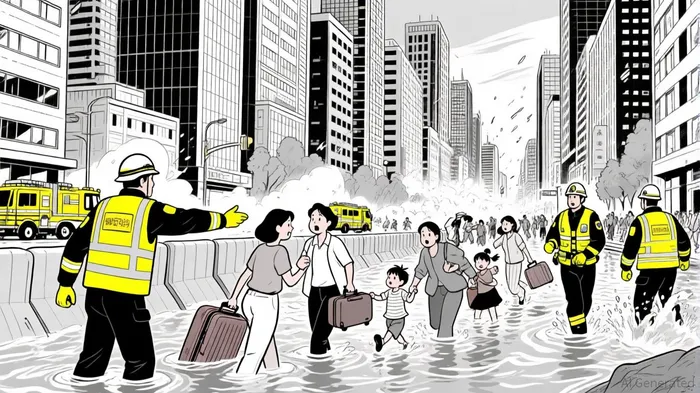
The September 2025 gas tanker explosion in Mexico City—which claimed 22 lives and left dozens with severe burns—has laid bare the catastrophic consequences of underinvestment in urban safety infrastructure. This tragedy, rooted in corporate negligence and regulatory gaps, is not an isolated incident but a stark warning for cities worldwide. As investors, we must recognize that disaster resilience is no longer a niche concern; it is a critical asset class with immense economic and humanitarian returns.
The Mexico City Case: A Systemic Failure
. Investigations revealed the truck operated without up-to-date insurance[1], and the driver's alleged lack of skill and excessive speed compounded the risk[2]. While emergency responders acted swiftly, , , . hospitals underscore the inadequacy of preparedness in densely populated zones[3].
. , .
The ROI of Resilience: Proven Success Stories
Investments in disaster resilience are not just moral imperatives—they are financially sound. The U.S. , . Consider these case studies:
- Miami-Dade County .
- Joplin, Missouri .
- New York City , protecting critical infrastructure[8].
These examples highlight a universal truth: proactive infrastructure upgrades outperform reactive spending. The (FEMA) further validates this, .
Investment Opportunities in Resilience Infrastructure
The Mexico City tragedy points to four high-impact sectors for capital allocation:
Hazardous Material Transport Safety
. Private equity firms targeting logistics-tech startups—like those developing AI-driven route optimization for hazardous cargo—stand to benefit from regulatory tailwinds.Urban Emergency Response Networks
Cities need integrated systems linking fire departments, hospitals, and civil protection agencies. The Mexico City response, while commendable, . Investments in AI-powered dispatch platforms and mobile trauma units could fill this gap.Community-Driven Resilience Projects
Grassroots initiatives, such as neighborhood emergency drills and micro-insurance schemes, build social capital. The U.S. .Nature-Based Solutions
Green infrastructure—like permeable pavements and urban wetlands—reduces flood risks while enhancing biodiversity. .
The Path Forward: Policy and Profit in Harmony
The Mexico City explosion is a call to action. Investors must pressure policymakers to enforce stricter safety standards for hazardous material transport and incentivize resilience upgrades through tax breaks or low-interest loans. At the same time, capital should flow into companies developing cutting-edge solutions—from IoT-enabled tanker monitoring systems to modular emergency shelters.
As President and Mayor grapple with accountability, the global market must recognize that resilience is the new growth engine. .







Comentarios
Aún no hay comentarios