
Metaverse Real Estate: From Virtual Lands to Tokenized Properties
The concept of a metaverse, first introduced in Neal Stephenson's 1992 novel "Snow Crash," has evolved significantly over the years. Today, metaverses are digital universes built with Distributed Ledger Technology (DLT), where users can interact, work, play, and invest through avatars. They enable true ownership of virtual assets through Non-Fungible Tokens (NFTs), secure transactions with cryptocurrencies, and decentralized governance.
Metaverses can be categorized into decentralized and centralized platforms. Decentralized metaverses, such as Decentraland and The Sandbox, offer several advantages over their centralized counterparts. They leverage DLT to distribute ownership and governance among participants, using smart contracts and decentralized autonomous organizations (DAOs) for decision-making. This shared control ensures the metaverse economy can operate independently, even if the original developers step away.
A key feature of decentralized metaverses is true digital ownership. Assets such as lands, avatars, and other items are represented as NFTs, providing transparency and verifiable ownership. Users can freely trade these assets on decentralized exchanges, giving them real-world economic value and fostering interoperability across platforms.
Virtual lands or real estate in a metaverse is a digital property that users can buy, sell, and develop. In Decentraland, land parcels have sold for anywhere between $6,000 to $100,000, with major brands and celebrities securing their spots. In The Sandbox, notable figures like Snoop DoggDOGG-- and the Winklevoss twins have purchased virtual land, with some sales reaching up to $2.8 million.
However, virtual lands aren't the same as tokenized lands. Virtual land exists solely within digital environments, offering opportunities for virtual events, advertising, and social interaction. Tokenized land, on the other hand, represents real-world properties that have been digitized and recorded on a DLT platform, allowing for fractional ownership and easier transactions. Both have real value, but they serve different purposes.
In a metaverse, users can socialize through avatars, attend virtual events, and explore digital landscapes. Decentralized metaverses like Decentraland and The Sandbox host immersive experiences that include entertainment, education, and networking opportunities. Additionally, users can own and trade virtual assets, such as 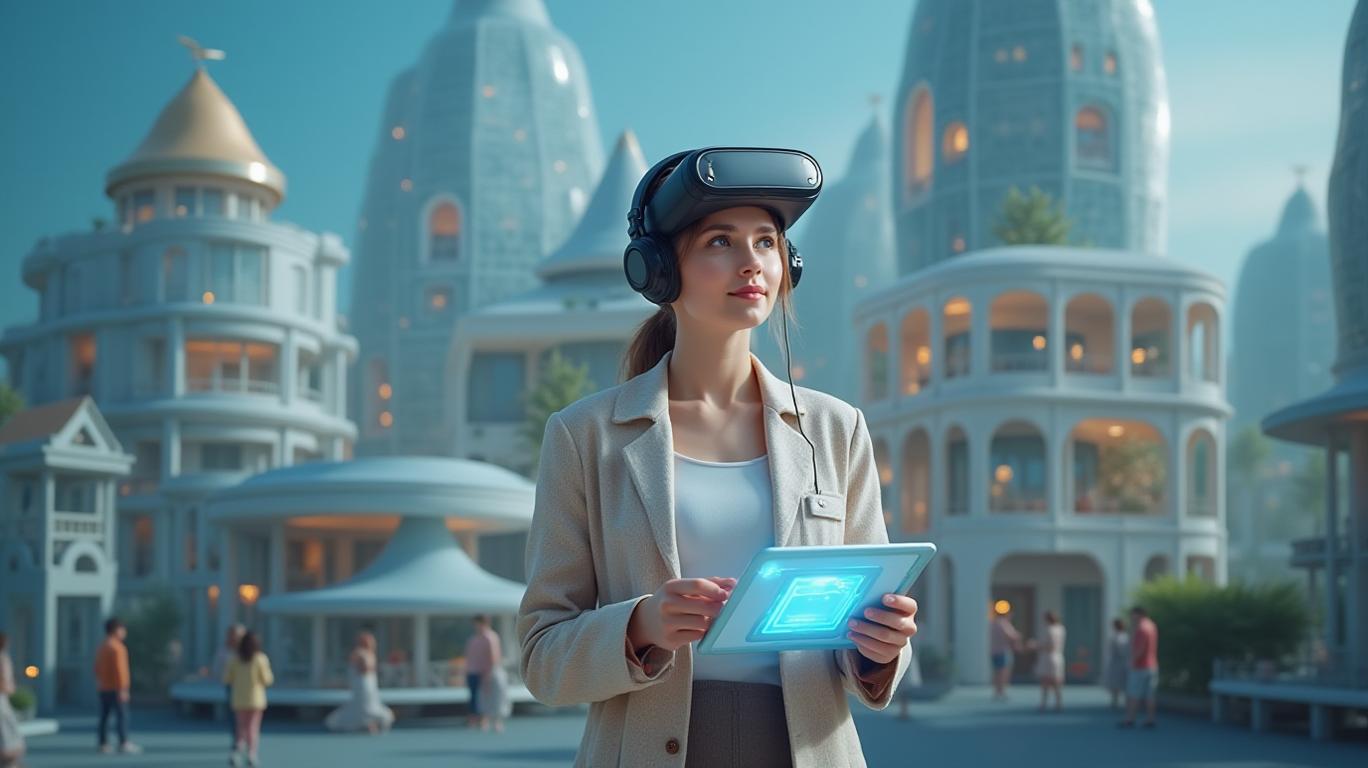





Comentarios
Aún no hay comentarios