
Metals Magnate Agarwal’s Bold Gamble: Can Vedanta’s Mining Reboot and Saudi Push Overcome Debt Headwinds?
As Anil Agarwal, chairman of Vedanta Limited, plots a $20 billion expansion into Saudi Arabia’s copper sector and races to restructure $3.15 billion in debt maturities, the Indian metals conglomerate faces a pivotal year. The 2025 strategy hinges on transforming Vedanta from a sprawling conglomerate into a streamlined operator of “pure-play” subsidiaries—while navigating geopolitical risks, environmental lawsuits, and investor skepticism.
The Saudi Copper Gamble
Vedanta’s push into Saudi Arabia’s copper sector marks a high-stakes pivot into a region reshaping global energy and mining. The company has established a dedicated copper unit in the kingdom, part of a broader $20 billion expansion plan over three years targeting metals, hydrocarbons, and renewables. This initiative aligns with Saudi Vision 2030, which aims to diversify the economy beyond oil.
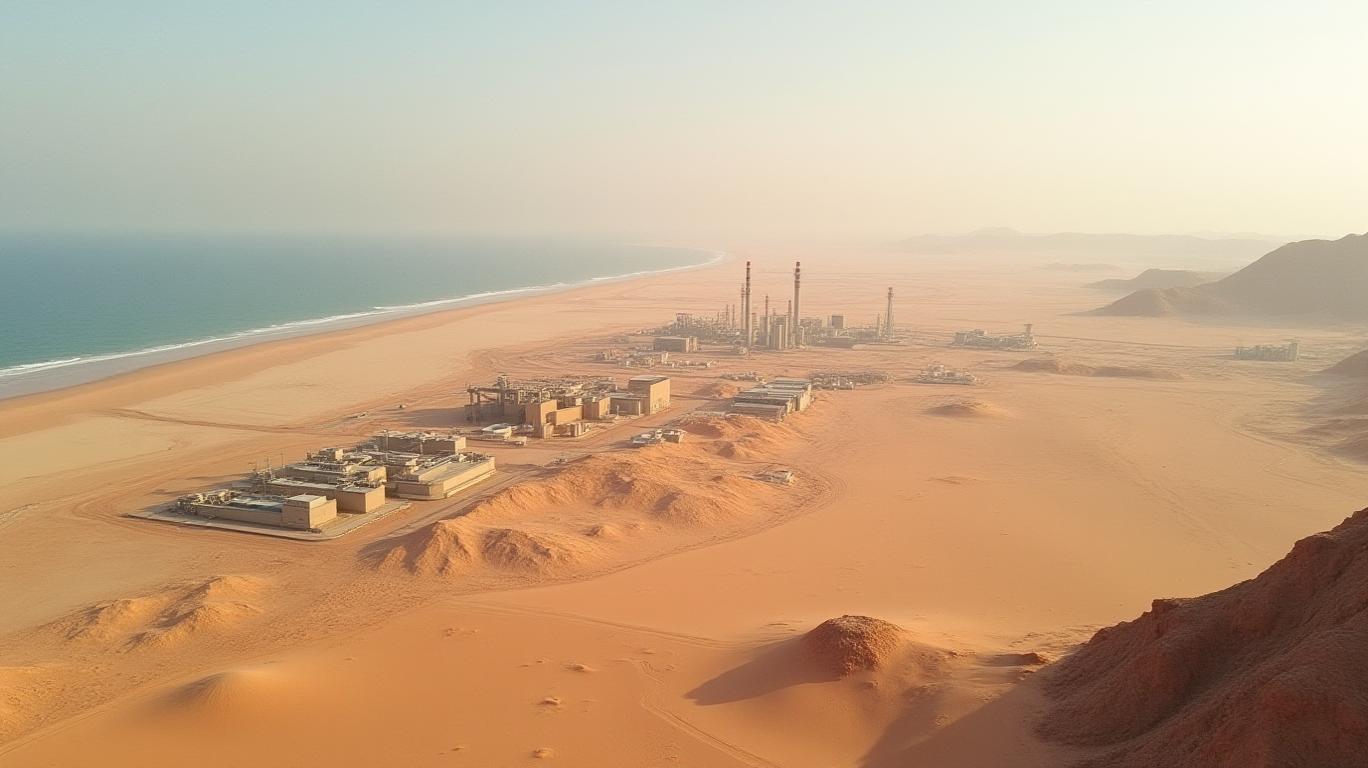
However, markets have greeted the move with caution. Vedanta’s stock dipped 2% following the announcement, reflecting concerns about execution risks in a region with complex regulatory environments. Success here could unlock access to Saudi Arabia’s vast mineral reserves, but delays or cost overruns could strain already leveraged balance sheets.
Debt Restructuring: A Tightrope Walk
The Saudi push is being funded even as Vedanta scrambles to address a wall of debt. In 2025 alone, Vedanta Resources Ltd (VRL), its London-listed parent, faced $1.2 billion in bond maturities. A $1.25 billion refinancing package secured in early 2025, combined with bondholder approvals to extend maturity dates, has staved off default risks.
Credit ratings offer a mixed picture. S&P upgraded VRL’s rating to “B” from “B-” after the refinancing, citing reduced liquidity risks. Meanwhile, Crisil downgraded Vedanta’s long-term ratings to “AA-” due to delays in asset sales and elevated leverage ratios. The company’s focus on deleveraging through asset monetization—such as its proposed demerger—will be critical to regaining investor trust.
The Demerger Deadline: September 30, 2025
A key milestone is the planned split of Vedanta into four standalone entities: Aluminum, Oil and Gas, Power, and Iron and Steel. Originally targeted for mid-2025, the deadline has been pushed to September, underscoring the complexity of reorganizing a $20 billion conglomerate.
The demerger aims to simplify operations and attract sector-specific investors, but legal hurdles loom. A recent win in India’s Odisha High Court—where a $8.6 million environmental penalty was stayed—avoids a cash hit ahead of the restructuring. Agarwal has framed the move as a transition from “asset manager to asset owner,” but execution delays could destabilize the timeline.
Strategic Crossroads: Risks and Rewards
Vedanta’s strategy is a high-wire act balancing growth, debt, and geopolitical opportunity:
- Upside: The Saudi copper play taps into global demand for EV batteries and renewables. Vedanta’s $20 billion expansion could solidify its position as a top-tier mining player.
- Downside: Crisil’s downgrade highlights lingering leverage risks. A delayed demerger or regulatory stumble in Saudi Arabia could derail progress.
Conclusion: A High-Reward, High-Risk Play
Vedanta’s 2025 strategy is a test of Agarwal’s vision. With $1.25 billion in refinancing secured and S&P’s upgraded ratings, the company has bought time to execute its Saudi ventures and demerger. However, its stock’s underperformance compared to peers () signals lingering investor hesitation.
Crucial data points include:
- Debt Reduction: Vedanta aims to cut leverage from 4.2x EBITDA (2023) to 3.5x by 2025.
- Copper Potential: Saudi Arabia’s Red Sea Copper Project targets 500,000 tonnes annually by 2030, a significant boost to Vedanta’s output.
- Demerger Timing: Missing the September deadline could spark rating downgrades and investor exits.
For investors, Vedanta offers a leveraged bet on two megatrends: Saudi Arabia’s industrialization and the global shift to green metals. Yet execution remains the X-factor. As Agarwal once said, “Ambition without action is daydreaming.” In 2025, action will determine whether Vedanta’s gamble pays off—or becomes its heaviest debt burden.







Comentarios
Aún no hay comentarios