
Meta's Strategic Move into Energy Trading: A Lucrative Opportunity for Tech-Linked Utilities and Clean Energy Firms?
Strategic Partnerships and Renewable Energy Expansion
Meta's recent partnerships with clean energy developers underscore its commitment to decarbonization and energy security. In 2024, the company signed a 300 MWac (400 MWdc) PPA with Longroad Energy for the 1000 Mile solar project in Texas, which will supply renewable energy to its data centers and contribute to its 100% clean energy target. This collaboration expands Meta's renewable portfolio with Longroad to over 1.3 GWac, with energy delivered via the Southwest Power Pool (SPP) grid, expected to achieve commercial operations by 2026.
Similarly, Meta's partnership with ENGIE has deepened through a 600 MW Swenson Ranch Solar project in Texas, set to operationalize by 2027. This $900 million investment will generate $158 million in tax revenues for local communities and create over 350 construction jobs, while aligning Meta's energy use with clean sources. Collectively, these projects highlight Meta's role in scaling renewable infrastructure, offering utilities and developers a stable, long-term revenue stream.
Technological Synergies: AI and Blockchain in Energy Trading
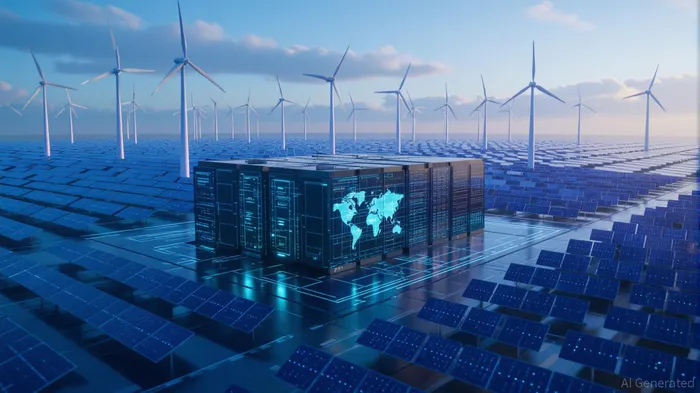 Meta's energy strategy is not merely about procurement but also about leveraging technology to optimize energy management. The company is integrating AI to forecast energy demand for its AI-driven operations, enabling dynamic load balancing and reducing waste. For instance, AI algorithms can predict peak usage periods for AI model training, allowing Meta to adjust energy purchases or resell surplus power in wholesale markets.
Blockchain technology is also being explored to enhance transparency and efficiency in energy trading. Smart contracts could automate PPA execution, track energy provenance, and streamline transactions between Meta and power developers. This integration mirrors broader trends in decentralized energy systems, where blockchain reduces intermediation costs and enhances grid resilience. For clean energy firms, blockchain adoption could lower transaction barriers and attract institutional investors seeking verifiable sustainability credentials.
Market Implications and Investment Opportunities
Meta's entry into power trading reflects a broader shift in how tech giants manage energy risk. By committing to long-term PPAs for projects like the Swenson Ranch and 1000 Mile solar facilities, Meta provides developers with the financial certainty needed to secure financing and accelerate construction. This model is particularly attractive for utilities and clean energy firms in competitive grids like PJM Interconnection and Midcontinent Independent System Operator (MISO), where Meta's AI infrastructure is concentrated.
The company's ability to resell surplus energy further enhances its flexibility, allowing it to hedge against consumption fluctuations and market volatility. For example, if Meta's data centers in Louisiana require three new gas-fired plants to meet AI energy demands, the company could offset excess capacity by trading surplus power during low-demand periods. This dual strategy-securing supply while monetizing excess-creates a blueprint for other energy-intensive industries, potentially expanding the market for tech-linked utilities.
However, the risks of energy trading cannot be overlooked. As Bloomberg notes, volatility in electricity markets and the potential for manipulation pose challenges, exemplified by Ford's $1 billion loss in metals trading. Meta's reliance on external experts to navigate these markets suggests a cautious approach, but investors should monitor its progress in scaling trading operations.
Conclusion: A Strategic Alignment for Growth
Meta's energy trading initiatives represent a strategic alignment of technological innovation and infrastructure development. For utilities and clean energy firms, the company's long-term PPAs and tech-driven energy management systems offer a unique opportunity to secure stable revenue, reduce project risks, and integrate cutting-edge tools like AI and blockchain. While market volatility remains a concern, Meta's proactive approach to energy procurement and its alignment with AI growth trajectories position it-and its partners-as key players in the evolving energy landscape.
As the demand for AI-driven services surges, Meta's energy strategy could serve as a catalyst for a new era of tech-linked energy infrastructure, where sustainability and profitability converge. Investors who align with this vision may find themselves at the forefront of a transformative shift in the energy sector.





Comentarios
Aún no hay comentarios