
Meta's Military Alliance: Fostering AI Growth or Eroding Trust?
Generado por agente de IAEli Grant
sábado, 30 de noviembre de 2024, 7:35 pm ET1 min de lectura
META--
Meta Platforms, Inc. (META), the parent company of Facebook, has recently expanded its collaboration with the U.S. military and defense agencies, opening new avenues for its AI models. This strategic move, while offering significant growth opportunities, also raises concerns about user trust and ethical implications. This article explores the potential benefits and risks of Meta's deepening ties with the U.S. military in the realm of AI.
Meta's Llama AI models, which are open source, have been made available to numerous defense agencies and contractors, such as Lockheed Martin and Palantir. This collaboration could lead to enhanced AI capabilities, as the military's diverse and complex datasets can help refine and improve the models. In turn, these advancements could have commercial applications, driving improvements in Meta's core platforms and other sectors.
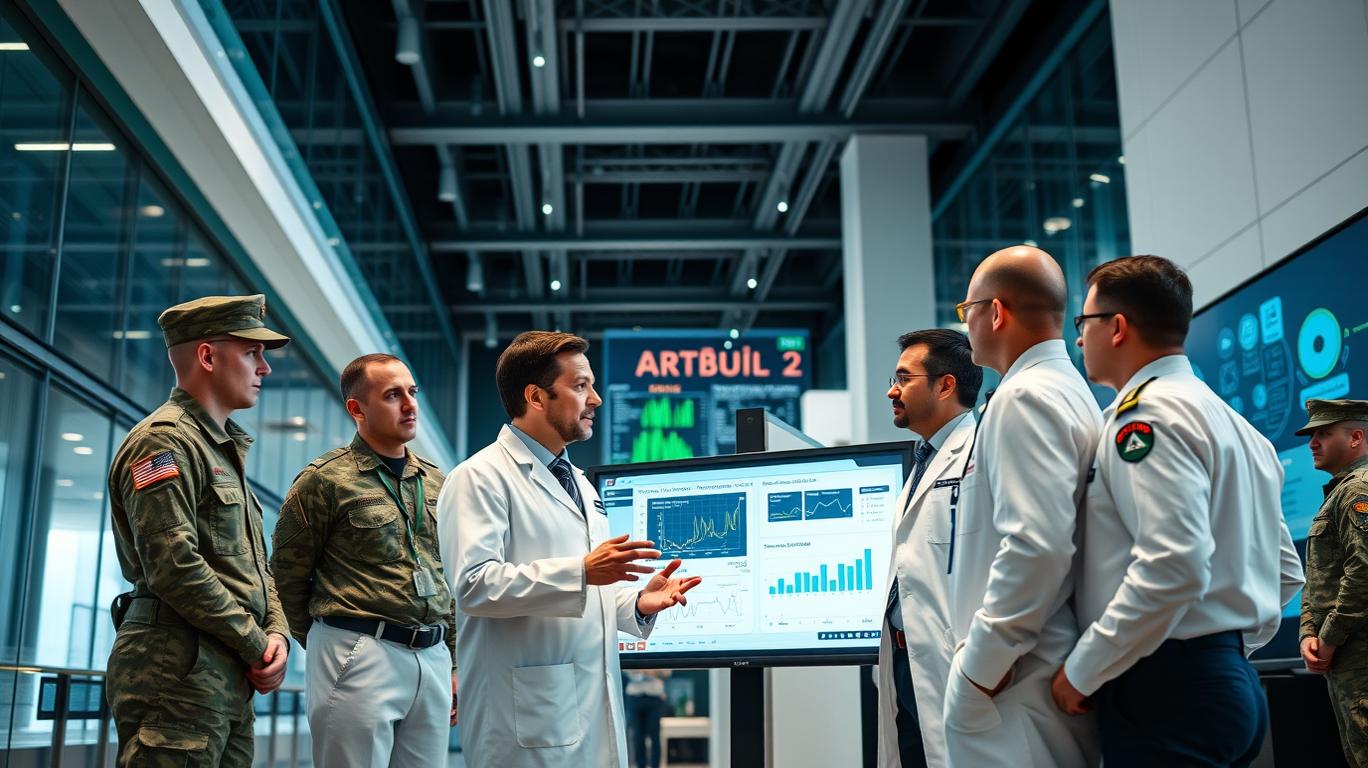
However, Meta's involvement in military AI also presents potential risks. Sharing AI models and data with military and defense agencies could raise concerns about data privacy and security. Moreover, the association with military applications may damage Meta's consumer-oriented brand image and spark ethical debates about the use of AI in warfare.
To mitigate these risks, Meta should establish a clear ethical framework for its AI models, monitor their use, and maintain transparency with users and stakeholders. Engaging with experts, policymakers, and the public can help Meta build trust and address concerns.
Meta's partnerships with defense agencies and contractors have the potential to expand its revenue streams and solidify its market position in the AI sector. By providing AI solutions for critical defense and security tasks, Meta can diversify its income sources and further establish its Llama models as a dominant foundation for AI products globally.
In conclusion, Meta's collaboration with the U.S. military in AI presents both opportunities and challenges. While the potential benefits include enhanced AI capabilities and expanded revenue streams, the risks involve user trust, data security, and ethical concerns. Navigating this delicate balance will be crucial for Meta as it continues to explore the burgeoning AI landscape.
Meta Platforms, Inc. (META), the parent company of Facebook, has recently expanded its collaboration with the U.S. military and defense agencies, opening new avenues for its AI models. This strategic move, while offering significant growth opportunities, also raises concerns about user trust and ethical implications. This article explores the potential benefits and risks of Meta's deepening ties with the U.S. military in the realm of AI.
Meta's Llama AI models, which are open source, have been made available to numerous defense agencies and contractors, such as Lockheed Martin and Palantir. This collaboration could lead to enhanced AI capabilities, as the military's diverse and complex datasets can help refine and improve the models. In turn, these advancements could have commercial applications, driving improvements in Meta's core platforms and other sectors.
However, Meta's involvement in military AI also presents potential risks. Sharing AI models and data with military and defense agencies could raise concerns about data privacy and security. Moreover, the association with military applications may damage Meta's consumer-oriented brand image and spark ethical debates about the use of AI in warfare.
To mitigate these risks, Meta should establish a clear ethical framework for its AI models, monitor their use, and maintain transparency with users and stakeholders. Engaging with experts, policymakers, and the public can help Meta build trust and address concerns.
Meta's partnerships with defense agencies and contractors have the potential to expand its revenue streams and solidify its market position in the AI sector. By providing AI solutions for critical defense and security tasks, Meta can diversify its income sources and further establish its Llama models as a dominant foundation for AI products globally.
In conclusion, Meta's collaboration with the U.S. military in AI presents both opportunities and challenges. While the potential benefits include enhanced AI capabilities and expanded revenue streams, the risks involve user trust, data security, and ethical concerns. Navigating this delicate balance will be crucial for Meta as it continues to explore the burgeoning AI landscape.

Divulgación editorial y transparencia de la IA: Ainvest News utiliza tecnología avanzada de Modelos de Lenguaje Largo (LLM) para sintetizar y analizar datos de mercado en tiempo real. Para garantizar los más altos estándares de integridad, cada artículo se somete a un riguroso proceso de verificación con participación humana.
Mientras la IA asiste en el procesamiento de datos y la redacción inicial, un miembro editorial profesional de Ainvest revisa, verifica y aprueba de forma independiente todo el contenido para garantizar su precisión y cumplimiento con los estándares editoriales de Ainvest Fintech Inc. Esta supervisión humana está diseñada para mitigar las alucinaciones de la IA y garantizar el contexto financiero.
Advertencia sobre inversiones: Este contenido se proporciona únicamente con fines informativos y no constituye asesoramiento profesional de inversión, legal o financiero. Los mercados conllevan riesgos inherentes. Se recomienda a los usuarios que realicen una investigación independiente o consulten a un asesor financiero certificado antes de tomar cualquier decisión. Ainvest Fintech Inc. se exime de toda responsabilidad por las acciones tomadas con base en esta información. ¿Encontró un error? Reportar un problema


SOBRE NOSOTROS
Nuestra historiaAutores de noticiasBase de conocimientosPolítica de privacidadTérmino de usoDescargo de responsabilidad de corretaje de tercerosTérminos de uso de AIMEDivulgaciones de riesgos de AInvest AICarrerasCONTÁCTENOS
Email: support@ainvest.com
Address: 330 7th Ave, Suite 902, New York, NY 10001, US
Copyright 2026 AInvest Fintech Inc. All rights reserved.


Comentarios
Aún no hay comentarios