
Meta's AI Ambitions Power a Nuclear Renaissance: A High-Conviction Cross-Sector Investment Thesis
The convergence of artificial intelligence (AI) and energy infrastructure is reshaping global markets, with MetaMETA-- (formerly Facebook) emerging as a pivotal player. As AI models grow in complexity and data centers expand to meet demand, energy consumption is surging-driving a critical shift toward nuclear power. For investors, this creates a high-conviction cross-sector opportunity: Meta's AI investments are indirectly fueling a renaissance in nuclear energy, positioning the sector as a cornerstone of the AI-driven economy.
The AI Energy Tsunami
Meta's data center electricity consumption in 2023, a 34% year-over-year increase, with leased facilities nearly doubling in energy use. This growth is not an anomaly but part of a broader trend: AI now accounts for 80–90% of data center energy consumption during the inference phase, and global AI-specific energy use is projected to rise from 5–15% of data center demand in 2023 to 35–50% by 2030. By 2028, AI could consume 165–326 TWh annually, rivaling the energy demands of entire nations.
The International Energy Agency (IEA) warns that data centers will account for 10% of global electricity demand growth by 2030, with AI as the primary driver. In the U.S. alone, data centers consumed 183 TWh in 2024-4% of total electricity-and this figure is expected to more than double by 2030. For context, AI-optimized data centers alone could see demand quadruple by 2030.
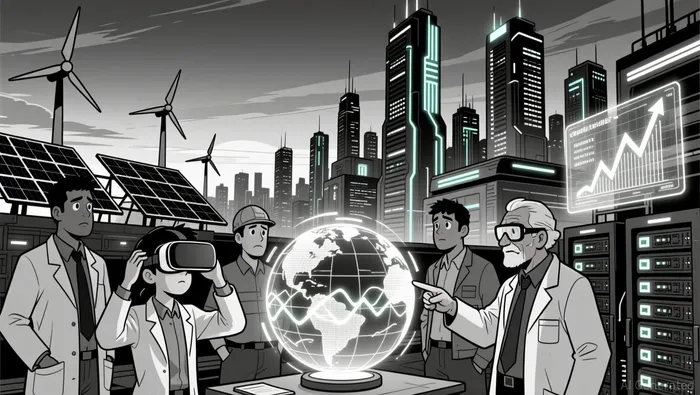
Why Nuclear? The Reliability Imperative
Traditional renewables like solar and wind face a critical limitation: intermittency. Data centers require 99.999% uptime, a standard incompatible with energy sources that fluctuate with weather conditions. Nuclear energy, by contrast, offers a , providing consistent, carbon-free power. A single nuclear reactor can generate 800+ megawatts (MW), sufficient to power large AI data centers.
Meta recognizes this. While the company sources 100% of its data center electricity from renewables via PPAs and RECs, it has strategically pivoted to nuclear energy to future-proof its AI infrastructure. This move aligns with broader industry trends: Deloitte estimates nuclear could meet , while tech giants like Amazon and Google are also securing nuclear partnerships.
Meta's Nuclear Energy Playbook
Meta has become one of the largest corporate purchasers of nuclear energy in U.S. history, of capacity by 2035 through partnerships with TerraPower, Oklo, and Vistra. These agreements include:
- Vistra: A 20-year PPA for from existing Ohio and Pennsylvania nuclear plants, with additional capacity from reactor uprates.
- TerraPower: Funding for (690 MW each), with rights to six more units by 2035.
- Oklo: power campus in Ohio using Aurora reactors, with operations starting as early as 2030.
These projects are not just about meeting demand-they're about securing the future of AI infrastructure. Meta's Prometheus supercluster in Ohio, for instance, is expected to consume at least 1 GW when operational. By locking in nuclear energy decades ahead of deployment, Meta is mitigating the long lead times inherent in nuclear projects while ensuring a stable, low-carbon energy supply.
Financial Commitments and Sector-Wide Implications
While exact financial terms of Meta's nuclear deals remain undisclosed, the scale of its commitments is staggering. The agreements include:
- License extensions for existing Vistra plants, adding decades of operational life.
- Advanced reactor development funding, accelerating SMR and fast reactor commercialization.
- Job creation: Thousands of construction jobs and hundreds of long-term operational roles, reinforcing U.S. nuclear supply chains.
Meta's investments are part of a broader industry push. Alongside Amazon and Google, the company has pledged to triple global nuclear energy production by 2050. This aligns with Deloitte's projection that new nuclear capacity could meet , while the IEA notes nuclear's potential to transform energy systems.
The Investment Thesis
For investors, the cross-sector opportunity is clear: Meta's AI ambitions are turbocharging demand for nuclear energy, creating a virtuous cycle of innovation and deployment. Key beneficiaries include:
1. Nuclear developers (e.g., TerraPower, Oklo, Vistra) securing long-term PPAs with tech giants.
2. Supply chain players in SMR and advanced reactor components, as Meta's funding accelerates commercialization.
3. Grid operators in regions like Ohio and Pennsylvania, where Meta's projects will add gigawatts of baseload capacity.
The risks? Nuclear projects are capital-intensive and subject to regulatory delays. However, Meta's aggressive front-loading of infrastructure spending-mirroring its AI supercluster strategy-mitigates these risks by providing long-term certainty to partners.
Conclusion
Meta's AI-driven energy demands are not a burden but a catalyst for the nuclear sector's renaissance. By securing 6.6 GW of nuclear power by 2035, the company is not only future-proofing its AI infrastructure but also accelerating the global transition to reliable, low-carbon energy. For investors, this represents a high-conviction opportunity: bet on the energy backbone of the AI revolution.





Comentarios
Aún no hay comentarios