
Los 135 mil millones de dólares en gastos de capital de Meta: un cambio estructural en la asignación del capital industrial
La proyección de los gastos de capital de Meta no es simplemente un número grande; es una declaración de una nueva era industrial para la empresa. Las estimaciones para el año 2026 son…De 115 mil millones a 135 mil millonesRepresenta un aumento asombroso del 73% en comparación con el año anterior.72.2 mil millones de dólaresSe gastaron 2025 dólares en ese año. Eso en sí ya fue un gran avance, ya que las inversiones aumentaron un 84%, comparado con los 39.2 mil millones de dólares invertidos solo dos años antes. No se trata de un crecimiento lineal; se trata de un aumento tres veces mayor en las inversiones en dos años. Se trata de un cambio estructural, de una empresa dedicada a servicios y software a una empresa capaz de realizar grandes proyectos industriales.
La tesis es clara: este enorme gasto es una inversión necesaria y estratégicamente acertada, para garantizar la seguridad de las capacidades de inteligencia artificial de Meta. Este gasto está impulsado por dos factores principales: la construcción agresiva de los laboratorios de superinteligencia de Meta, y la infraestructura fundamental necesaria para su negocio principal. La empresa apuesta por poseer y operar la infraestructura física y digital necesaria para la próxima generación de inteligencia artificial.
La financiación de esta transformación industrial es lo que hace que el modelo se refuerce por sí mismo. La inversión no se realiza a través de deudas o dilución de los activos de la empresa, sino a través de los flujos de efectivo generados por la empresa. El año pasado, Meta generó 115,8 mil millones de dólares en flujos de efectivo provenientes de sus actividades operativas. Esto proporciona una base de capital interno sólida para respaldar las inversiones en capital fijo. El fuerte motor publicitario de la empresa, que contribuyó al crecimiento anual del 22% en 2025, ahora es el principal motor para su expansión industrial. Esto crea un ciclo virtuoso: los beneficios obtenidos de la publicidad financian la infraestructura de IA, lo cual, a su vez, permite ampliar la ventaja competitiva de la empresa y generar ingresos futuros.
El Imperativo Estratégico: Asegurar la estructura de computación
El plan de gastos de capital de 135 mil millones de dólares de Meta es una respuesta directa a un cambio fundamental en el campo de la computación. La empresa está pasando de ser un simple consumidor de infraestructura de IA a convertirse en su principal fabricante y propietario de dicha infraestructura. No se trata simplemente de una medida para ahorrar costos; se trata de una necesidad estratégica para ganar control sobre toda la infraestructura de computación, reduciendo así la dependencia de proveedores externos como Nvidia y las plataformas de computación en la nube para obtener capacidades de procesamiento de datos relacionadas con la inteligencia artificial.
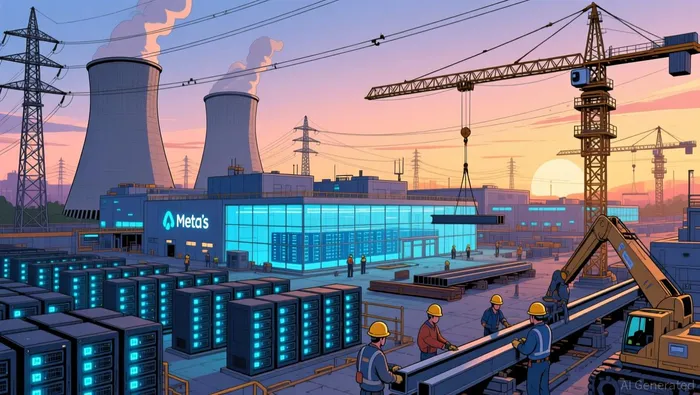
La magnitud de las ambiciones de Meta hace que esto se considere un problema de adquisición histórico. La visión de Meta sobre la “superinteligencia personal” requiere una capacidad informática masiva y dedicada para alimentar sus modelos y servicios de inteligencia artificial. No se trata de escalar cargas de trabajo ya existentes; se trata de construir la infraestructura fundamental para una nueva categoría de computación. La magnitud del gasto necesario para este proyecto –casi el doble del gasto ya invertido el año pasado– indica que se trata de un proceso que durará varios años, con el objetivo de adquirir la infraestructura física y digital necesaria para la próxima generación de inteligencia artificial. La empresa tiene como objetivo claro…Reducir la dependencia de terceros.Empresas como Nvidia y las compañías de computación en la nube, entre otras, deben tener el control y la capacidad necesarios para garantizar que todo funcione correctamente.
Visto de otra manera, se trata de una decisión clásica en materia de asignación de capital industrial. En el pasado, las empresas tecnológicas podían externalizar sus necesidades de computación a proveedores especializados. Hoy en día, ese modelo ya no funciona. El control sobre la infraestructura hardware es crucial para mantener una posición competitiva, prever los costos y poder innovar a un ritmo adecuado. Al financiar esta construcción con sus flujos de efectivo, Meta apuesta por tener el control de esa infraestructura, ya que eso será más valioso que alquilarla. Además, la función de la IA en la productividad publicitaria se está convirtiendo en algo fundamental en su modelo de negocio. La decisión estratégica es clara: asegurarse la infraestructura ahora, para poder dominar el nivel de aplicaciones más adelante.
Mecánica financiera: Financiación, impacto y balance general
La estructura financiera de la inversión industrial de Meta revela una estrategia deliberada y multifacética para financiar este proyecto a largo plazo, al mismo tiempo que se gestiona la presión a corto plazo. La empresa no depende únicamente de sus flujos de efectivo; además, utiliza activamente los mercados de deuda a largo plazo para complementar su capital. Solo en el cuarto trimestre, Meta emitió…29.9 mil millones en deuda neta a largo plazoLa deuda a largo plazo total de la empresa asciende a 58.740 millones de dólares al final del año. Este movimiento proporciona una liquidez crucial para el aumento de los gastos de capital, permitiendo que la empresa conserve efectivo para sus operaciones, al mismo tiempo que obtiene financiación a tasas probablemente favorables, teniendo en cuenta la calificación crediticia de la empresa. Esto indica un cambio desde un modelo basado exclusivamente en los flujos de efectivo, hacia uno en el que se aprovecha estratégicamente la capacidad del balance general de la empresa.
Este tipo de financiamiento y gastos agresivos conllevan una presión financiera inmediata. El impacto más evidente se refleja en la rentabilidad de la empresa. En el cuarto trimestre, los costos y gastos aumentaron un 40% en comparación con el año anterior. La margen operativo de Meta descendió al 41%, frente al 48% del año anterior. La situación es crítica, debido al aumento significativo en los gastos en investigación y desarrollo.17.1 mil millonesEn este trimestre, se está produciendo una reducción en los costos. Esta reducción es el precio que hay que pagar por el cambio de enfoque; se trata de un compromiso necesario para garantizar la capacidad de infraestructura en el futuro.
Sin embargo, la orientación de la gerencia refuerza la confianza en la viabilidad a largo plazo del modelo. A pesar del aumento en los gastos, la empresa espera que los ingresos operativos para el año 2026 sean superiores a los del año 2025. Esta proyección es un indicio importante: implica que el crecimiento de los ingresos, gracias al motor publicitario dominante de la empresa, con un crecimiento trimestral del 24%, superará el aumento acelerado de los costos. La transformación de la hoja de presupuesto ya está completada: Meta cuenta con una hoja de presupuesto sólida y capaz de financiar una construcción industrial a lo largo de varios años. La gerencia cree que los futuros ingresos provenientes del control del stack de inteligencia artificial serán suficientes para compensar la presión sobre las márgenes actuales.
El “abrigo” de la publicidad: El motor de las inversiones
La verdadera prueba de la apuesta de Meta de 135 mil millones de dólares no radica en el monto del dinero invertido, sino en la solidez del motor que lo impulsa. Todo el proceso de transformación industrial de la empresa se basa en su negocio de publicidad, que sigue siendo el combustible esencial y la validación definitiva para el desarrollo de la tecnología de inteligencia artificial. En 2025, ese motor comenzó a funcionar a pleno rendimiento.Los ingresos anuales aumentaron un 22% en comparación con el año anterior, alcanzando los 200,97 mil millones de dólares.Los ingresos publicitarios, que representaron el 98% del total de las ventas, son la fuente de flujo de efectivo que permite realizar este tipo de inversiones en capital fijo. Sin este mecanismo de acumulación de beneficios, la inversión sería simplemente una apuesta especulativa. Con él, en cambio, la inversión se convierte en un proceso calculado y estructurado.
El vínculo crucial entre los gastos de capital y este motor es el rendimiento. La infraestructura de IA debe mejorar significativamente la capacidad de orientación de los anuncios y la rentabilidad de la inversión, para justificar los gastos realizados y mantener esta trayectoria de crecimiento. Los resultados recientes de la empresa demuestran que el modelo actual funciona bien: las impresiones de anuncios aumentaron un 18% en el último trimestre, y el precio promedio por anuncio también aumentó un 6%. Pero el futuro requiere más. La visión de Meta es que la IA hará que la publicidad sea…Un porcentaje significativamente mayor del PIB mundial.Esto no es simplemente un eslogan de marketing. Se trata de una narrativa de crecimiento secular que debe ser demostrada. La enorme inversión en computación representa una apuesta segura: la personalización impulsada por la inteligencia artificial abrirá nuevas oportunidades publicitarias de mayor valor. Esto permitirá a la empresa continuar aumentando los precios y expandir su mercado objetivo.
Visto bajo esta perspectiva, el plan de inversión en capital fijo representa un compromiso a lo largo de varios años para el futuro del negocio principal. Se trata de una apuesta en la que se espera que el “muro de protección” que rodea a la actividad publicitaria no disminuya, sino que sí aumente, a medida que la IA se convierta en algo fundamental en las operaciones de la empresa. La confianza de la empresa en que los ingresos operativos en 2026 superarán a los de 2025 se basa en esto: el aumento de los ingresos provenientes de la publicidad compensará más que suficientemente los costos acelerados. Esta inversión no es algo secundario en comparación con el negocio publicitario; es la mayor inversión estratégica que la empresa realiza. Si la AI no logra mejorar significativamente la productividad de la publicidad, todo el modelo de asignación de capital se desmoronará. Por ahora, el motor publicitario sigue siendo fuerte, pero la inversión es una apuesta a largo plazo, y se espera que su potencia siga creciendo con el tiempo.
Catalizadores, riesgos y lo que hay que tener en cuenta
El presupuesto de $135 mil millones ahora se ha convertido en un experimento real. Su éxito depende de algunos indicadores que permitan traducir la gran visión de la empresa en realidades financieras concretas. El factor clave es el crecimiento sostenido de los ingresos publicitarios, por encima del 20% anual. No se trata simplemente de alcanzar un número específico; se trata de demostrar que las mejoras en la productividad gracias al uso de la IA se traduzcan directamente en resultados empresariales positivos. La visión de la empresa es que la IA hará que la publicidad sea algo realmente valioso.Un porcentaje significativamente mayor del PIB mundial.Para que los gastos de capital sean justificados, Meta debe demostrar que su gran inversión en computación le permite descubrir nuevas oportunidades publicitarias de mayor valor. De esta manera, podrá seguir aumentando los precios y expandiendo su mercado objetivo. Cualquier retraso en este proceso de crecimiento podría socavar de inmediato todo el modelo de asignación de capital.
El riesgo más significativo es la sobreconstrucción de infraestructuras. Si los beneficios obtenidos gracias al uso de la IA no se materializan como se esperaba, la empresa podría terminar con activos inútiles: centros de datos masivos y capacidad de procesamiento que no se utiliza adecuadamente. Esto causaría una drástica reducción en las ganancias, ya que los costos fijos de esa infraestructura pesarían sobre los ingresos, sin que hubiera un aumento correspondiente en los ingresos. El modelo actual asume que el poder de acumulación del motor de publicidad superará el crecimiento acelerado de los costos. Si esa suposición resulta errónea, la necesidad estratégica de poseer esa infraestructura podría convertirse rápidamente en un gasto innecesario, transformando una medida defensiva en una carga financiera.
El punto clave para los inversores es la ejecución trimestral de las actividades empresariales. La primera prueba real será la calidad de esa ejecución por parte de la empresa.Guía de ingresos operativos para el año 2026La gestión espera que los niveles de gasto se mantengan por encima de los del año 2025, a pesar del aumento en los gastos. Esta proyección es un indicador clave de confianza. Los inversores deben monitorear la tendencia de los gastos en capital de operación y las tendencias de las márgenes operativas a lo largo del año. ¿Los costos están disminuyendo de manera eficiente? ¿La presión sobre las márgenes está siendo absorbida por el crecimiento de los ingresos, o está aumentando? Si hay señales de ineficiencia en la ejecución de los proyectos, o si existe una discrepancia entre los gastos en capital de operación y el rendimiento de los ingresos, eso será un indicio de que la estrategia de desarrollo puede ser menos estratégica y más especulativa de lo que la gestión espera. El camino a seguir ya está definido; los próximos trimestres revelarán si esta inversión será rentable o no, y si se convertirá en un caso de alerta.





Comentarios
Aún no hay comentarios