
Mercosur-EFTA Free Trade Deal: A Goldmine for Energy and Agribusiness Investors
The Mercosur-EFTA Free Trade Agreement, set to launch by mid-2026, is a game-changer for investors seeking exposure to Latin America's booming energy and agribusiness sectors. This pact, uniting 300 million consumers and a $4.3 trillion GDP bloc, opens doors for cross-border collaboration. Let's dissect the opportunities—and risks—in two sectors primed for explosive growth.
The Energy Sector: Argentina's Vaca Muerta and Norway's Tech Know-How
The agreement's energy chapter is a direct invitation for Norwegian firms to tap into Argentina's Vaca Muerta shale deposits, one of the world's largest untapped oil and gas reserves. Reduced trade barriers will allow Norwegian energy tech companies—like Golar LNGGLNG-- and Aker BP—to partner with local giants such as YPFYPF-- and Pampa Energía.
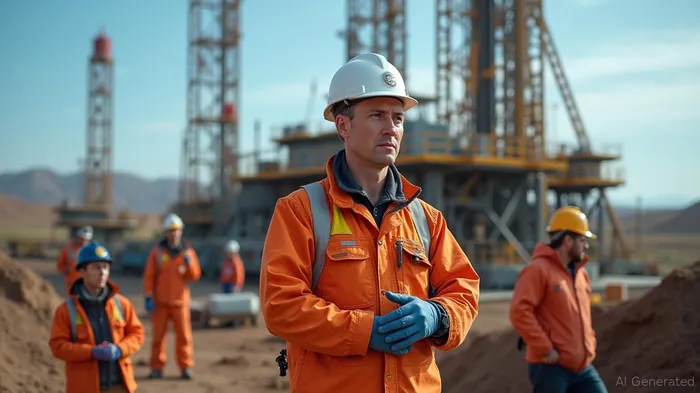
Norway's expertise in LNG and renewable infrastructure will be critical as Argentina shifts toward cleaner energy. Investors should monitor YPF's stock performance () as a barometer of Vaca Muerta's development. Meanwhile, Norway's Aker BPBP-- () stands to gain from Brazil's offshore projects, now shielded from tariffs.
Agribusiness: Swiss Precision Meets South American Land
The deal slashes tariffs on over 97% of agricultural exports, creating a win-win for Swiss agribusinesses and South American farmers. Swiss companies like Syngenta and Agroscope will benefit from duty-free access to Mercosur's soy, beef, and wine markets, while South American firms gain a foothold in Europe's premium food supply chains.
A standout opportunity lies in deforestation-free ethanol from Brazil's CosanCSAN--, which the pact mandates for EFTA's green energy grids. Swiss firms will also profit from Argentina's rice exports, which could double by 2027 under the deal's quotas.
Short-Term Catalyst: 2026 Implementation Timeline
The 2026 start date is a critical catalyst. Once tariffs vanish, companies like Cresud (Argentina's rice and land conglomerate) and Bagó (pharmaceuticals) will see immediate margin boosts. Meanwhile, Norway's Yara International (fertilizer producer) can expand into South American farmlands without import taxes.
Long-Term Growth: A $4.3T Bloc's Potential
The agreement's true power lies in its scale. By integrating EFTA's advanced tech with Mercosur's natural resources, it creates a template for global trade. Key long-term plays include:
- Renewables in Brazil: Wind and solar projects will thrive as Norway's Vestas Wind Systems partners with local firms.
- Agri-Machinery: Reduced tariffs on equipment will boost sales for John DeereDE-- (via local distributors) and Argentina's INVAP.
Risks to Monitor
- Political Volatility: Argentina's economic instability and Brazil's 2026 elections could delay ratification.
- Environmental Compliance: Firms failing to meet deforestation-free standards risk losing tariff benefits.
- Commodity Price Slumps: Overreliance on soy or beef could backfire if global demand dips.
Investment Picks: Play the Sectors Strategically
- Energy Plays:
- YPF (NYSE: YPF): Direct exposure to Vaca Muerta's shale boom.
- Aker BP (OSE:AKERBP): Norway's offshore energy leader in Brazil.
ETFs: iShares Global EnergyIXC-- ETF (IXC) for diversified exposure.
Agribusiness Plays:
- Cosan (NYSE:CZZ): Brazil's ethanol giant with ESG-friendly supply chains.
- Cresud (NASDAQ:CRESY): Argentina's land/food conglomerate.
Swiss ETF: Switzerland's SMI ETF (SWDA) for diversified agri-exposure.
Risk Mitigation:
- Avoid overhyped sectors like beef, which may already price in tariff cuts.
- Pair South American equities with Norway's energy ETFs (NORW) for hedging.
Conclusion: A New Era of Trade, A New Opportunity
The Mercosur-EFTA deal isn't just about lower tariffs—it's about building a 21st-century trade corridor. Investors who act now on energy and agribusiness plays could reap rewards as this $4.3 trillion bloc transforms into a global economic powerhouse. The clock is ticking until 2026—position your portfolio wisely.
Stay roaring.





Comentarios
Aún no hay comentarios