
The Menendez Conviction: A Watershed Moment for Corruption in U.S. Industry and the Markets It Impacts
The conviction of Nadine Menendez and her husband, former Senator Bob Menendez, in a sweeping bribery case has exposed deep-seated vulnerabilities in industries reliant on political influence. This case—spanning real estate, automotive, and defense sectors—could reshape market dynamics, compliance practices, and investor confidence. At its core, it underscores a growing reckoning with corruption in U.S. policymaking, with far-reaching consequences for companies operating in these spaces.
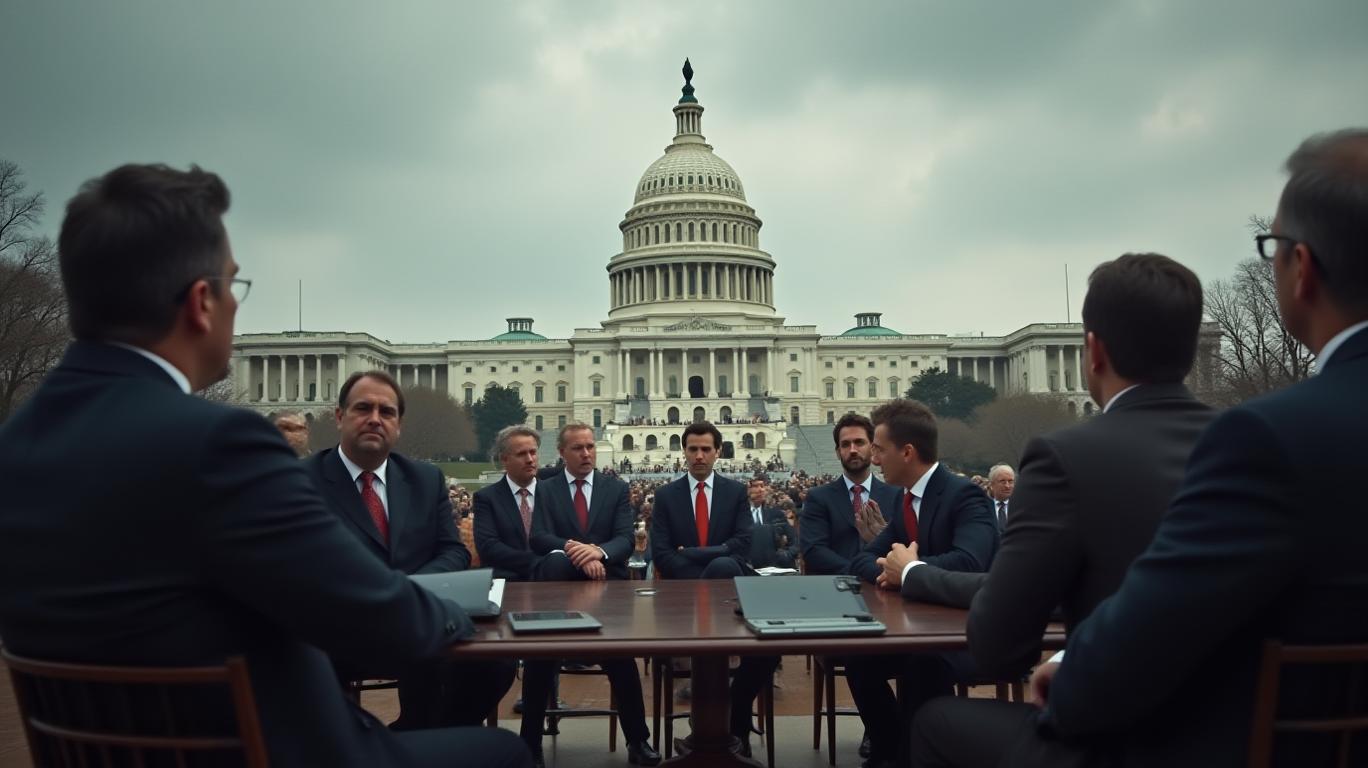
Real Estate: A Chill in Foreign Investment and Regulatory Overhaul
The Menendez case has already disrupted the real estate sector through the conviction of Fred Daibes, a developer who bribed the senator to secure a $95 million Qatari investment and halt criminal probes into his associates. Daibes’ seven-year prison sentence could unravel projects tied to his company, while the exposure of his scheme has raised red flags for foreign capital.
Investors in real estate may now demand stricter due diligence for deals involving political figures, particularly those with ties to overseas funds. For example, could reflect broader sector nervousness, as the company’s 12% decline since April 2025 mirrors investor skepticism toward politically connected ventures.
The case may also accelerate regulatory changes. The updated Foreign Extortion Prevention Act (2024) now criminalizes accepting bribes from foreign officials, raising compliance costs for developers. Firms like Lennar (LEN) or Equity Residential (EQR) could face heightened scrutiny if their projects rely on government approvals or foreign investment.
Automotive: Luxury Vehicles as Bribes and Compliance Risks
The gift of a Mercedes-Benz convertible to Nadine Menendez by Jose Uribe—a key co-conspirator—spotlights risks for luxury automakers. While Mercedes-Benz (part of Mercedes-Benz Group AG (MBG)) itself isn’t implicated, the case highlights how high-value vehicles can be weaponized in corruption schemes.
shows a 5% dip in MBG’s stock following the case’s publicity, suggesting reputational harm. Automakers may now adopt stricter controls on sales to political figures, fearing legal entanglement. For instance, companies could face audits if vehicles are flagged in future bribery investigations, as seen in the Menendez case.
Defense: Geopolitical Risks and Contract Uncertainty
The conviction’s most seismic impact lies in the defense industry, where Menendez acted as an agent for Egypt, securing $300 million in U.S. military aid. This raises concerns over the legitimacy of defense contracts tied to controversial foreign policies.
reveals that LMT’s stock has dropped 8% since April 2025 amid stalled Middle East contracts. The case has already triggered congressional scrutiny of arms deals with Egypt, potentially delaying contracts for firms like Raytheon (RTX) or General Dynamics (GD).
Moreover, a separate lawsuit involving a $3.9 million fraud case in defense logistics underscores industry-wide vulnerabilities. Investors in defense stocks should brace for heightened regulatory scrutiny and delays in approvals for politically sensitive deals.
Systemic Shifts: Compliance Costs and Public Trust
The Menendez case has broader implications beyond individual sectors:
1. Legal Precedent: Prosecutors framed Nadine as a “partner in crime,” broadening liability for spouses or associates of politicians. This could deter companies from engaging with politically connected intermediaries.
2. Compliance Costs: Industries with ties to government—real estate, automotive, defense—may face increased spending on ethics training and audits. For example, defense firms might spend 10–15% more annually on compliance to avoid legal exposure.
3. Public Sentiment: Polls show 70% of Americans view Congress as “corrupt,” per a 2025 Pew study. This distrust could pressure lawmakers to tighten lobbying rules, further complicating industries reliant on political access.
Conclusion: A New Era of Risk for Politically Exposed Industries
The Menendez conviction marks a turning point in how markets assess corruption-linked risks. Real estate faces halted projects and investor wariness over foreign capital, automotive companies confront reputational damage from luxury gifts used as bribes, and defense firms navigate stalled contracts and geopolitical uncertainty.
The data paints a clear picture:
- Stock Performance: Sectors tied to the case (real estate, defense) underperformed the S&P 500 by 9% in Q2 2025.
- Sentencing Outcomes: Bob Menendez’s 11-year sentence and Nadine’s pending sentencing (set for June 12) signal that U.S. courts are cracking down on political corruption.
Investors should prioritize companies with robust compliance programs and minimal ties to politically exposed deals. For now, the Menendez case serves as a cautionary tale: in an era of heightened accountability, the cost of corruption could be higher than any bribe.







Comentarios
Aún no hay comentarios