
Memory Chip Shortages and AI Demand: A Strategic Bottleneck for Global Tech Markets
The global memory chip market is undergoing a seismic shift driven by the explosive growth of AI infrastructure. As AI data centers and edge computing systems demand unprecedented volumes of high-bandwidth memory (HBM), DDR5, and LPDDR5, the industry faces a structural shortage that is reshaping supply chains and pricing dynamics. This analysis identifies high-conviction investment opportunities in leading memory manufacturers and evaluates hedging strategies for downstream tech sectors navigating this crisis.
The AI-Driven Memory Market: A Golden Opportunity for Manufacturers
The reallocation of wafer capacity toward AI-focused memory chips has created a perfect storm of scarcity and profitability for manufacturers. Samsung, SK Hynix, and MicronMU-- are reaping the rewards of this shift, with financial metrics reflecting the surge in demand.
Samsung's quarterly profit tripled to 20 trillion won ($13.8 billion) in Q4 2025, fueled by AI server demand and rising memory prices. The company, alongside SK Hynix, is prioritizing HBM production for AI applications, a move that has pushed conventional DRAM prices up by 55–60% in Q1 2026. SK Hynix, which has already sold out its 2026 chip supply, is expanding its U.S. footprint to meet long-term demand. Micron, meanwhile, reported a Q2 2026 gross margin of 67%, with its stock price rising nearly 17% year-to-date in 2026.
The supply discipline among these manufacturers-evidenced by their refusal to overproduce lower-margin consumer-grade memory-is driving gross margins above those of TSMC in Q4 2025. With CAPEX plans ramping up to meet AI-driven demand, these companies are positioned to sustain profitability through 2027.
Downstream Sectors: Navigating the Bottleneck
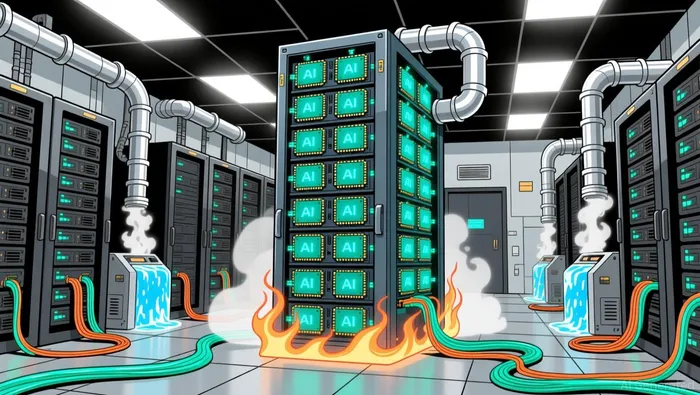
The shortage has created a stark divide between high-margin AI infrastructure and struggling consumer electronics markets. Smartphone and PC manufacturers are grappling with rising costs and constrained supply, forcing them to adopt aggressive hedging strategies.
Smartphone OEMs: High-end manufacturers like Apple and Samsung, with their financial reserves and long-term supply contracts, are structurally hedged against the crisis. They can secure memory supply 12–24 months in advance, a luxury unavailable to mid-tier and low-end OEMs like TCL, Transsion, Realme, and Xiaomi according to IDC analysis. These smaller players face a binary choice: absorb cost increases or pass them to consumers, both of which threaten profit margins.
PC and AI PC Markets: Major vendors such as Lenovo, Dell, HP, and ASUS have announced price increases of 15–20% in early 2026 to offset memory cost surges. AI PCs, which require 16GB or more of RAM, are particularly vulnerable. The shortage risks delaying product launches or forcing compromises on RAM configurations.
Hedging Strategies: From Speculative Buying to Inventory Buffers
To mitigate the crisis, downstream sectors are adopting a mix of short- and long-term strategies. Speculative buying and double ordering-tactics reminiscent of the pandemic-era chip shortage-are distorting demand signals but ensuring supply security. Companies are also building inventory buffers, with some adopting "just-in-case" models to hedge against extended lead times.
Cost-pass-through mechanisms are another key tool. For example, PC manufacturers are passing 70–80% of memory cost increases to consumers. Smartphone OEMs are revisiting design specifications, opting for lower-capacity memory modules to reduce dependency on scarce components.
Long-Term Outlook: A Structural Shift in the Memory Market
The current shortage is not a temporary disruption but a strategic reallocation of silicon wafer capacity driven by AI's insatiable demand. With new production lines requiring years to become operational, the bottleneck is expected to persist into 2027. This structural shift has redefined procurement strategies, with buyers prioritizing supply security over price optimization.
For investors, the memory manufacturers leading this transition-Samsung, SK Hynix, and Micron-offer compelling long-term opportunities. Their ability to capitalize on AI-driven demand, coupled with disciplined supply management, positions them as cornerstones of the next phase of the semiconductor boom.







Comentarios
Aún no hay comentarios