
McFarlane Lake Mining's Juby Gold Project: Unlocking Exploration Catalysts and ESG-Driven Growth in a Volatile Gold Sector
The gold sector, long a cornerstone of portfolio diversification, is witnessing renewed interest as macroeconomic pressures and geopolitical uncertainties drive demand for safe-haven assets. For junior explorers like McFarlane Lake Mining Limited (CSE: MLM), the Juby Gold Project in Ontario's Abitibi Greenstone Belt represents a compelling intersection of early-stage exploration potential and ESG-aligned development. With a revised mineral resource estimate (MRE) on the horizon and a robust environmental baseline study underway, the project is poised to deliver both geological and sustainability-driven catalysts in 2025.
Exploration Catalysts: A Resource Upgrade and Strategic Drilling
McFarlane Lake Mining's Juby Gold Project has historically reported 1.49 million inferred ounces at 0.98 g/t gold and 773,000 indicated ounces at 1.13 g/t, figures derived from a 2020 technical report, according to a Morningstar correction. However, these estimates are being re-evaluated under NI 43-101 standards by BBA E&C Inc., with a lower cut-off grade of 0.2 g/t and a gold price assumption of $2,400–$2,800/oz, a recalibration described in a company announcement. This recalibration, combined with 10,000 meters of new drilling data, is expected to yield a material increase in contained gold ounces, potentially redefining the project's economic viability, as noted in a Stockwatch report.
The company's 2025 exploration plan includes 10,000 meters of drilling targeting four defined mineralized zones, supported by Induced Polarization (IP) and magnetic geophysical surveys to refine targets; subsequent communications from the company emphasize expanding the resource along strike and at depth to attract advanced-stage capital. As noted by CEO Mark Trevisiol, the focus on high-priority zones and near-surface mineralization positions Juby as a low-cost, high-impact project in a district historically known for large gold deposits, a development covered by FinanzWire.
ESG Alignment: Sustainability as a Competitive Advantage
In an era where ESG criteria increasingly dictate capital allocation, McFarlane Lake Mining's approach to responsible development is a standout feature. The company has initiated an environmental baseline study, a foundational step for future permitting and closure planning, according to a FinancialContent article. This study not only mitigates regulatory risks but also supports the project's transition to an Advanced Exploration Permit, which would allow bulk sampling and offsite processing of high-grade ore-a strategic move to de-risk metallurgical challenges.
Community engagement further strengthens the project's ESG profile. McFarlane has emphasized collaboration with local Indigenous communities and stakeholders, aligning with Canada's growing emphasis on reconciliation and inclusive resource development. CEO Trevisiol's public statements underscore the company's commitment to sound corporate governance and environmental stewardship, traits that resonate with ESG-focused investors seeking long-term value. The Morningstar correction and company materials referenced above provide additional context on these efforts.
Investment Implications: Balancing Risk and Reward
While junior miners inherently carry exploration risk, Juby's near-surface gold resource, strategic location, and ESG-aligned trajectory mitigate some of these concerns. The pending MRE update, expected to reflect higher gold prices and expanded resources, could catalyze a re-rating of the asset. Additionally, the environmental baseline study and closure plan development position McFarlane to secure Advanced Exploration Permits more efficiently than peers, accelerating timelines to production, as earlier reporting on the project indicates.
However, investors must remain cautious. The project's historical data requires validation under modern standards, and gold price volatility could impact the economics of lower-grade material. That said, the combination of technical rigor, regulatory preparedness, and community alignment suggests a project with strong upside potential in a sector increasingly prioritizing sustainability.
Conclusion
McFarlane Lake Mining's Juby Gold Project exemplifies the new paradigm in gold exploration: a balance of geological promise and ESG responsibility. With a resource upgrade on the horizon, a drilling program designed to expand known zones, and a proactive approach to environmental and community engagement, the project is well-positioned to attract capital in 2025. For investors seeking exposure to a junior miner with both exploration catalysts and sustainability credentials, Juby represents a compelling case study in aligning profit with purpose.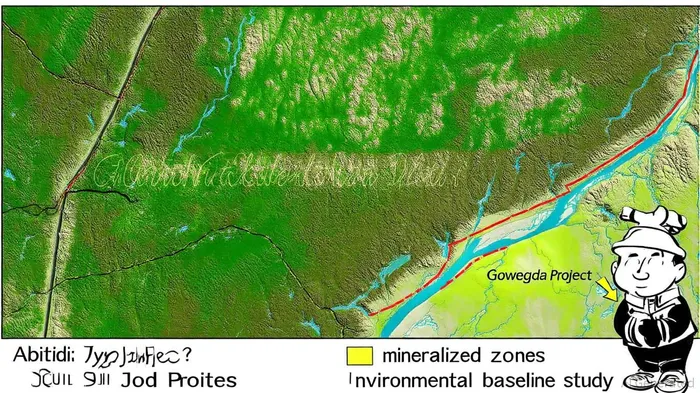







Comentarios
Aún no hay comentarios