
Marriott's Strategic Expansion into the Lifestyle Hotel Segment: A Catalyst for Long-Term Value Creation
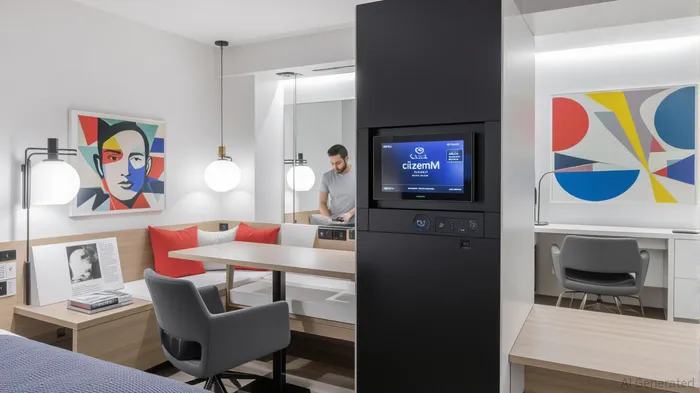
Marriott International's acquisition of the citizenM brand in 2025 marks a pivotal moment in the evolution of the global hospitality industry. By integrating a lifestyle-focused, tech-driven brand into its portfolio, MarriottMAR-- is not only addressing shifting consumer preferences but also fortifying its competitive position in a market increasingly defined by innovation, personalization, and urban-centric travel. This move, valued at $355 million upfront with potential earn-outs of $110 million, is a calculated bet on the future of travel—a future where travelers demand more than just a place to sleep.
The Strategic Rationale: Aligning with Industry Megatrends
The acquisition of citizenM is a direct response to three transformative trends reshaping the hospitality sector:
1. The Rise of the “Workation” Economy: Remote work has blurred the lines between leisure and productivity, creating demand for hotels that offer hybrid spaces. citizenM's design—featuring collaborative workspaces, high-speed connectivity, and wellness amenities—positions it as a natural fit for this demographic.
2. The Shift to “Affordable Luxury”: Younger travelers, particularly millennials and Gen Z, prioritize experiences over opulence. citizenM's art-centric lobbies, smart-room technology, and grab-and-go food options cater to this desire for curated, cost-effective stays without compromising on quality.
3. Sustainability as a Differentiator: The brand's modular construction model and focus on local art and materials align with the growing emphasis on eco-conscious travel. For example, citizenM's compact room designs reduce energy consumption and construction waste, a critical factor in an industry grappling with environmental scrutiny.
Competitive Positioning: Strengthening Marriott's Brand Portfolio
citizenM complements Marriott's existing lifestyle brands—AC, Moxy, and Aloft—while differentiating itself through a unique value proposition. Unlike Moxy's party-centric vibe or AC's corporate efficiency, citizenM bridges the gap between design-driven aesthetics and functional urbanity. Its 37 hotels across 20 cities (including New York, London, and Tokyo) provide Marriott with an immediate presence in high-growth markets.
The integration into the Marriott Bonvoy loyalty program is a masterstroke. By offering citizenM as a booking option to 120 million members, Marriott taps into a vast customer base while enhancing cross-selling opportunities. For instance, a Bonvoy member staying at a citizenM in Paris could also book a nearby luxury property or a Moxy in Berlin, amplifying revenue per guest.
Financial Prudence and Scalability
Marriott's asset-light approach—acquiring intellectual property rather than physical assets—minimizes capital risk while maximizing flexibility. The brand's projected $30 million in annual franchise fees from existing properties, with incremental growth from two hotels under construction, underscores its scalability. The earn-out structure, which ties payments to performance, aligns incentives with long-term value creation.
Risk Mitigation and Regulatory Hurdles
While the deal is largely asset-light, regulatory scrutiny remains a potential headwind. U.S. antitrust concerns could delay integration, particularly in markets where Marriott already dominates. However, the brand's niche positioning—targeting urban, design-conscious travelers—reduces overlap with core Marriott brands like Ritz-Carlton or The Ritz-Carlton, mitigating antitrust risks.
Investment Implications: A Buy for the Long-Term
Marriott's 5% net room growth projection for 2025, bolstered by this acquisition, signals confidence in its ability to outperform industry peers. For investors, the key metrics to watch include:
- Franchise Fee Growth: As new citizenM hotels open, incremental revenue from franchise agreements could exceed $30 million annually.
- Bonvoy Engagement: Track how cross-selling opportunities translate to higher customer lifetime value.
- Earnings Per Share (EPS) Impact: The low upfront cost and high scalability of the deal should support EPS growth without overburdening cash flow.
Conclusion: A Strategic Win in a Dynamic Market
Marriott's acquisition of citizenM is more than a brand expansion—it's a strategic alignment with the future of travel. By targeting urban, tech-savvy, and sustainability-conscious travelers, the company is future-proofing its portfolio against commoditization. For investors, this move represents a disciplined, high-conviction play on a sector poised for sustained growth. While short-term regulatory risks exist, the long-term upside—driven by scalable franchise fees, loyalty program integration, and market diversification—makes this a compelling investment opportunity.
Final Take: Buy for the long-term, with a focus on how Marriott leverages citizenM to dominate the lifestyle segment while maintaining its luxury and mid-market dominance.





Comentarios
Aún no hay comentarios