
Markets Less Reactive to Political Rhetoric: A Shift in Sentiment
Generado por agente de IAWesley Park
sábado, 22 de febrero de 2025, 8:13 am ET2 min de lectura

In recent years, markets have shown a decreased reactivity to political rhetoric, a shift that can be attributed to several factors. As investors become more sophisticated and markets become more efficient, the impact of political rhetoric on market sentiment has diminished. This article explores the reasons behind this trend and its implications for investors.
Increased Market Sophistication
One of the primary reasons for the reduced market reactivity to political rhetoric is the increased sophistication of investors. As investors gain experience and knowledge, they become better equipped to navigate political uncertainty and make informed decisions based on fundamentals rather than emotional reactions. This increased sophistication has led to a greater focus on economic indicators and corporate earnings, reducing the influence of political rhetoric on market sentiment.

Diversification of Portfolios
Another factor contributing to the reduced market reactivity to political rhetoric is the diversification of investment portfolios. As investors allocate a larger portion of their assets to international stocks, they reduce their exposure to domestic political risks. This diversification has led to a decrease in market reactivity to political rhetoric, as seen in the better performance of European indices compared to US indices during periods of political uncertainty.
Focus on Fundamentals
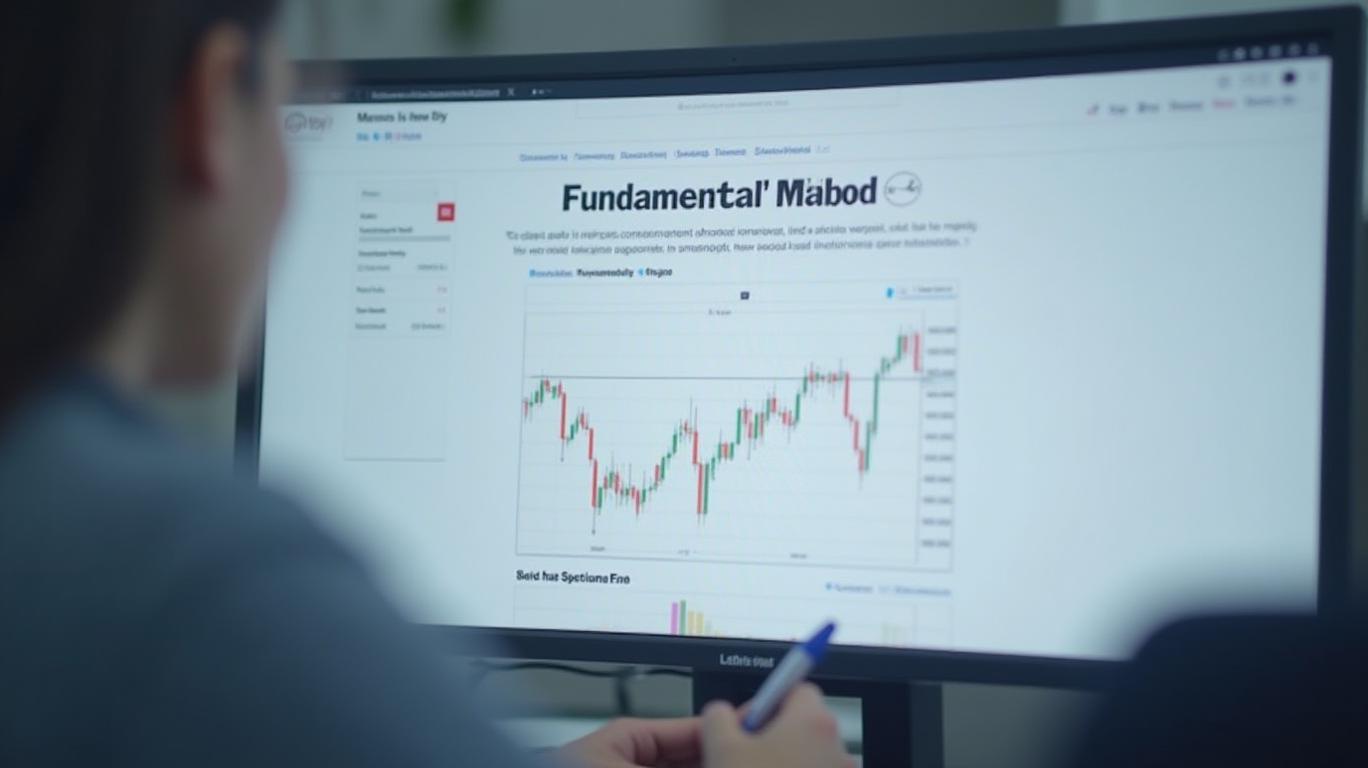
Investors have shifted their focus towards fundamental analysis, paying more attention to economic indicators and corporate earnings rather than political rhetoric. This focus on fundamentals has contributed to a decrease in market reactivity to political rhetoric, as investors prioritize the outlook for businesses over political administrations. This trend is evident in the resilience of US stock indices despite recent political rhetoric and the better performance of international indices during periods of political uncertainty.
Increased Market Efficiency
The market has become more efficient over time, with information being processed and reflected in stock prices more quickly. This efficiency reduces the impact of political rhetoric on market reactivity, as any new information is quickly incorporated into stock prices. As a result, political rhetoric has less of an impact on market sentiment, as investors quickly adjust their expectations based on the latest information.
Risk Management
Investors have become more adept at managing risk, using various strategies to hedge against political risks. This risk management has contributed to reduced market reactivity to political rhetoric, as investors are better equipped to navigate political uncertainty. By employing risk management strategies, investors can minimize the impact of political rhetoric on their portfolios and maintain a focus on fundamentals.

In conclusion, the reduced market reactivity to political rhetoric can be attributed to several factors, including increased investor sophistication, diversification of portfolios, a focus on fundamentals, increased market efficiency, and improved risk management. As investors become more sophisticated and markets become more efficient, the impact of political rhetoric on market sentiment has diminished. This trend has important implications for investors, who should prioritize fundamentals and risk management strategies when making investment decisions. By doing so, investors can minimize the impact of political rhetoric on their portfolios and maintain a focus on long-term growth and value.



Divulgación editorial y transparencia de la IA: Ainvest News utiliza tecnología avanzada de Modelos de Lenguaje Largo (LLM) para sintetizar y analizar datos de mercado en tiempo real. Para garantizar los más altos estándares de integridad, cada artículo se somete a un riguroso proceso de verificación con participación humana.
Mientras la IA asiste en el procesamiento de datos y la redacción inicial, un miembro editorial profesional de Ainvest revisa, verifica y aprueba de forma independiente todo el contenido para garantizar su precisión y cumplimiento con los estándares editoriales de Ainvest Fintech Inc. Esta supervisión humana está diseñada para mitigar las alucinaciones de la IA y garantizar el contexto financiero.
Advertencia sobre inversiones: Este contenido se proporciona únicamente con fines informativos y no constituye asesoramiento profesional de inversión, legal o financiero. Los mercados conllevan riesgos inherentes. Se recomienda a los usuarios que realicen una investigación independiente o consulten a un asesor financiero certificado antes de tomar cualquier decisión. Ainvest Fintech Inc. se exime de toda responsabilidad por las acciones tomadas con base en esta información. ¿Encontró un error? Reportar un problema




Comentarios
Aún no hay comentarios