
Markets on Edge Ahead of Fed Decision: Expert Warns of Inflation Risks
Generado por agente de IATheodore Quinn
miércoles, 29 de enero de 2025, 1:42 pm ET2 min de lectura
BOOM--
As the Federal Reserve prepares to announce its first monetary-policy decision of 2025, investors are bracing for potential implications on inflation risks. The central bank is widely expected to hold its benchmark interest rate steady, pausing its rate-cutting cycle amid concerns about inflation remaining above its target. This pause could have significant impacts on various sectors and the broader market, as well as influence long-term inflation expectations.
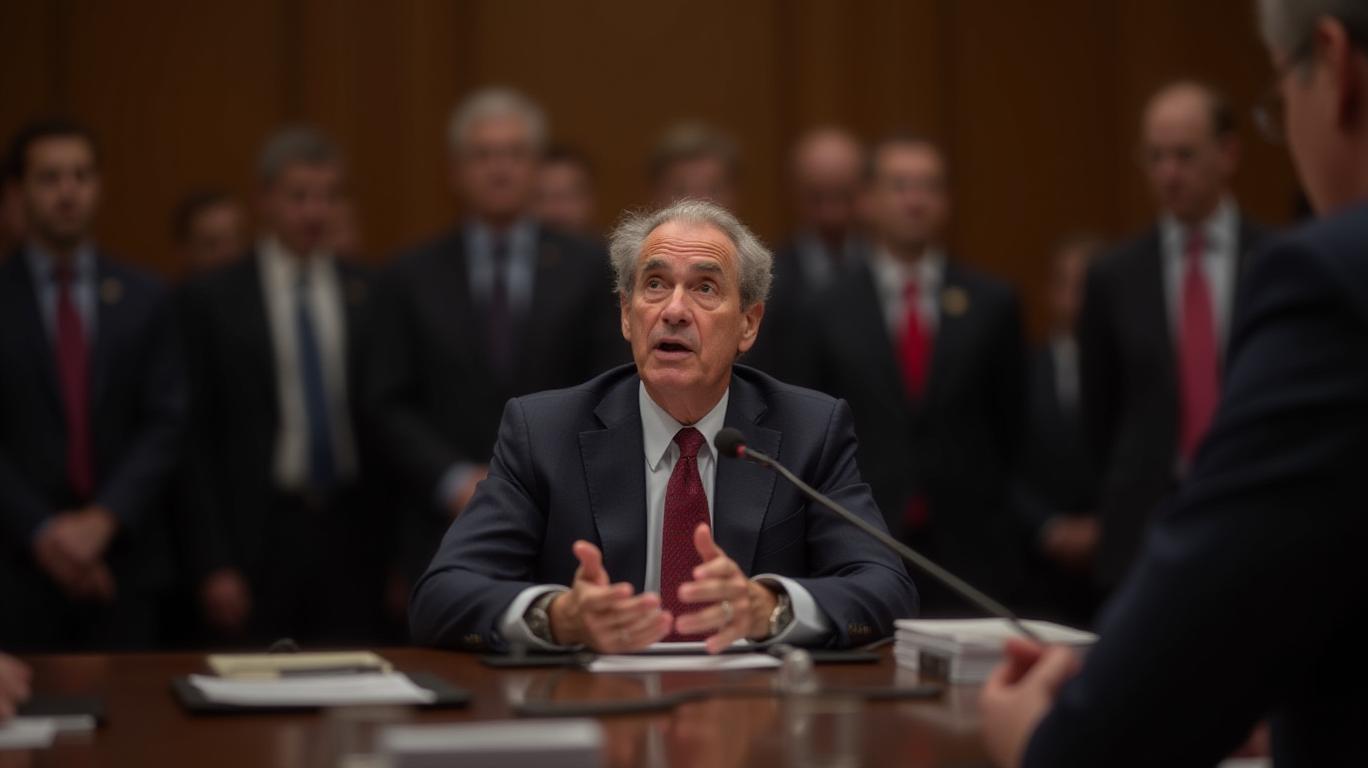
The Fed's decision to hold off on further rate cuts can signal to investors that it is committed to maintaining price stability, potentially reducing short-term inflation fears. Economists like Erasmus Kersting from Villanova University have noted that the Fed is being careful about lowering rates further due to concerns about inflation ticking up again, given that it is still stubbornly above target. This cautious approach can help calm markets worried about short-term inflation risks.
However, the Fed's pause on rate cuts could also have potential impacts on sectors like Big Tech and insurance, given their reliance on earnings growth. For instance, Big Tech companies, such as Nvidia, have been beneficiaries of the AI boom, with their stocks soaring on expectations of increased spending on AI chips and data centers. However, the emergence of Chinese company DeepSeek, which can develop large language models at a fraction of the cost, raises questions about the sustainability of this growth. If AI becomes less expensive, businesses may adopt it more quickly, leading to a rise in software investment. However, if the AI spending slowdown is significant, it could impact the earnings growth of Big Tech companies that rely on AI-related revenues.
In the insurance sector, a pause in rate cuts could slow down the recovery of investment income for insurance companies, as lower rates can lead to reduced investment income and higher claims costs. This could impact the earnings growth of insurance companies, as lower interest rates can make it more affordable for policyholders to borrow, potentially leading to more claims.

The market's resilience to political events is a crucial factor in investment decisions, especially when a new White House administration is in place. The new administration's policies can have significant impacts on the economy and financial markets, and investors need to consider these potential effects when making decisions. In the context of the current situation, the market has shown resilience despite concerns about the new administration's policies, such as adding new tariffs and widespread deportations of immigrants, which could prove inflationary. This resilience indicates that investors are willing to wait and see how these policies play out before making significant changes to their portfolios.
In conclusion, the Fed's decision on interest rates can significantly influence the market's perception of inflation risks in both the short and long term. A pause in rate cuts can reassure investors about the Fed's commitment to maintaining price stability, helping to calm short-term inflation fears and anchor long-term inflation expectations. However, the Fed's pause on rate cuts could also have potential impacts on sectors like Big Tech and insurance, given their reliance on earnings growth. The market's resilience to political events is a crucial factor in investment decisions, and investors should stay informed about the administration's policies and their potential impacts on the economy and financial markets.
NVDA--
As the Federal Reserve prepares to announce its first monetary-policy decision of 2025, investors are bracing for potential implications on inflation risks. The central bank is widely expected to hold its benchmark interest rate steady, pausing its rate-cutting cycle amid concerns about inflation remaining above its target. This pause could have significant impacts on various sectors and the broader market, as well as influence long-term inflation expectations.
The Fed's decision to hold off on further rate cuts can signal to investors that it is committed to maintaining price stability, potentially reducing short-term inflation fears. Economists like Erasmus Kersting from Villanova University have noted that the Fed is being careful about lowering rates further due to concerns about inflation ticking up again, given that it is still stubbornly above target. This cautious approach can help calm markets worried about short-term inflation risks.
However, the Fed's pause on rate cuts could also have potential impacts on sectors like Big Tech and insurance, given their reliance on earnings growth. For instance, Big Tech companies, such as Nvidia, have been beneficiaries of the AI boom, with their stocks soaring on expectations of increased spending on AI chips and data centers. However, the emergence of Chinese company DeepSeek, which can develop large language models at a fraction of the cost, raises questions about the sustainability of this growth. If AI becomes less expensive, businesses may adopt it more quickly, leading to a rise in software investment. However, if the AI spending slowdown is significant, it could impact the earnings growth of Big Tech companies that rely on AI-related revenues.
In the insurance sector, a pause in rate cuts could slow down the recovery of investment income for insurance companies, as lower rates can lead to reduced investment income and higher claims costs. This could impact the earnings growth of insurance companies, as lower interest rates can make it more affordable for policyholders to borrow, potentially leading to more claims.
The market's resilience to political events is a crucial factor in investment decisions, especially when a new White House administration is in place. The new administration's policies can have significant impacts on the economy and financial markets, and investors need to consider these potential effects when making decisions. In the context of the current situation, the market has shown resilience despite concerns about the new administration's policies, such as adding new tariffs and widespread deportations of immigrants, which could prove inflationary. This resilience indicates that investors are willing to wait and see how these policies play out before making significant changes to their portfolios.
In conclusion, the Fed's decision on interest rates can significantly influence the market's perception of inflation risks in both the short and long term. A pause in rate cuts can reassure investors about the Fed's commitment to maintaining price stability, helping to calm short-term inflation fears and anchor long-term inflation expectations. However, the Fed's pause on rate cuts could also have potential impacts on sectors like Big Tech and insurance, given their reliance on earnings growth. The market's resilience to political events is a crucial factor in investment decisions, and investors should stay informed about the administration's policies and their potential impacts on the economy and financial markets.

Divulgación editorial y transparencia de la IA: Ainvest News utiliza tecnología avanzada de Modelos de Lenguaje Largo (LLM) para sintetizar y analizar datos de mercado en tiempo real. Para garantizar los más altos estándares de integridad, cada artículo se somete a un riguroso proceso de verificación con participación humana.
Mientras la IA asiste en el procesamiento de datos y la redacción inicial, un miembro editorial profesional de Ainvest revisa, verifica y aprueba de forma independiente todo el contenido para garantizar su precisión y cumplimiento con los estándares editoriales de Ainvest Fintech Inc. Esta supervisión humana está diseñada para mitigar las alucinaciones de la IA y garantizar el contexto financiero.
Advertencia sobre inversiones: Este contenido se proporciona únicamente con fines informativos y no constituye asesoramiento profesional de inversión, legal o financiero. Los mercados conllevan riesgos inherentes. Se recomienda a los usuarios que realicen una investigación independiente o consulten a un asesor financiero certificado antes de tomar cualquier decisión. Ainvest Fintech Inc. se exime de toda responsabilidad por las acciones tomadas con base en esta información. ¿Encontró un error? Reportar un problema




Comentarios
Aún no hay comentarios