
Markets Close Early Today and Will Be Closed for Christmas
Generado por agente de IAWesley Park
martes, 24 de diciembre de 2024, 5:18 am ET1 min de lectura
As we approach the end of the year, markets around the world are preparing for a brief hiatus. Today, many markets will close early, and on Christmas Day, they will be closed entirely. This annual tradition has a significant impact on trading volumes, price movements, and investor sentiment. Let's explore how these early market closures and holidays affect the financial landscape.
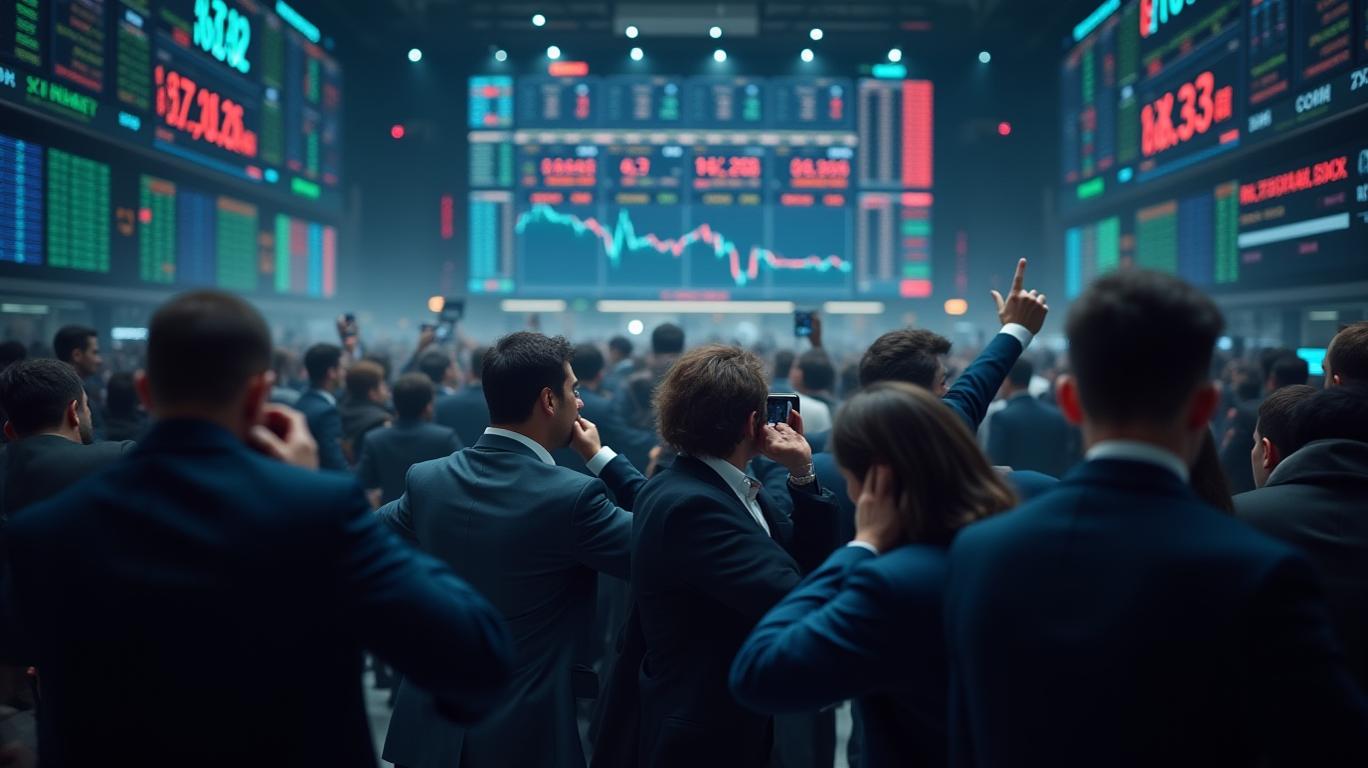
1. Reduced Trading Time and Liquidity
During early market closures, such as those occurring today and on Christmas, reduced trading time can lead to less liquidity and increased volatility. This is because fewer traders are active, leading to less demand and supply balance. As a result, short-term price movements may be more pronounced, with prices potentially swinging more significantly due to less resistance from other traders. However, this effect is typically temporary, and prices tend to revert to their mean once normal trading hours resume.
2. Investor Sentiment and Trading Volumes
Investor sentiment and trading volumes often exhibit unique patterns around holidays and early market closures. Research shows that stock markets tend to experience positive returns on the trading days leading up to a holiday, a phenomenon known as the pre-holiday effect (Ariel, 1990). This effect is attributed to increased investor optimism and reduced trading activity, leading to less volatility and upward price movements. However, markets may also experience a decline in returns following a holiday, known as the post-holiday effect (Cadsby & Ratner, 1992), possibly due to the unwinding of pre-holiday optimism or the resumption of normal trading volumes. Understanding these effects can help investors time their trades more effectively and capitalize on anticipated positive returns or avoid potential downturns.
3. Asset Class Reactions
Early market closures and holidays can impact various asset classes differently. Stocks often experience the "pre-holiday effect," with positive returns leading up to holidays due to increased investor optimism and reduced trading activity (Ariel, 1990). Bonds may see lower volatility, as trading volumes decrease. Forex markets, being decentralized, remain open but experience reduced liquidity during major holidays (FX Leaders, 2024). Cryptocurrencies, operating 24/7, may exhibit lower liquidity and wider spreads during holidays, with small altcoins experiencing sharp, erratic price swings (The Trading Pit, 2024).
In conclusion, early market closures and holidays have a significant impact on the financial landscape. Understanding these effects can help investors make informed decisions and manage their portfolios effectively. By staying aware of the pre-holiday and post-holiday effects, as well as the unique behaviors of different asset classes, investors can better navigate the markets during these periods.



Divulgación editorial y transparencia de la IA: Ainvest News utiliza tecnología avanzada de Modelos de Lenguaje Largo (LLM) para sintetizar y analizar datos de mercado en tiempo real. Para garantizar los más altos estándares de integridad, cada artículo se somete a un riguroso proceso de verificación con participación humana.
Mientras la IA asiste en el procesamiento de datos y la redacción inicial, un miembro editorial profesional de Ainvest revisa, verifica y aprueba de forma independiente todo el contenido para garantizar su precisión y cumplimiento con los estándares editoriales de Ainvest Fintech Inc. Esta supervisión humana está diseñada para mitigar las alucinaciones de la IA y garantizar el contexto financiero.
Advertencia sobre inversiones: Este contenido se proporciona únicamente con fines informativos y no constituye asesoramiento profesional de inversión, legal o financiero. Los mercados conllevan riesgos inherentes. Se recomienda a los usuarios que realicen una investigación independiente o consulten a un asesor financiero certificado antes de tomar cualquier decisión. Ainvest Fintech Inc. se exime de toda responsabilidad por las acciones tomadas con base en esta información. ¿Encontró un error? Reportar un problema




Comentarios
Aún no hay comentarios