
Market Volatility as a Strategic Buying Opportunity: Behavioral Finance and Risk-Rebalancing Strategies in 2025
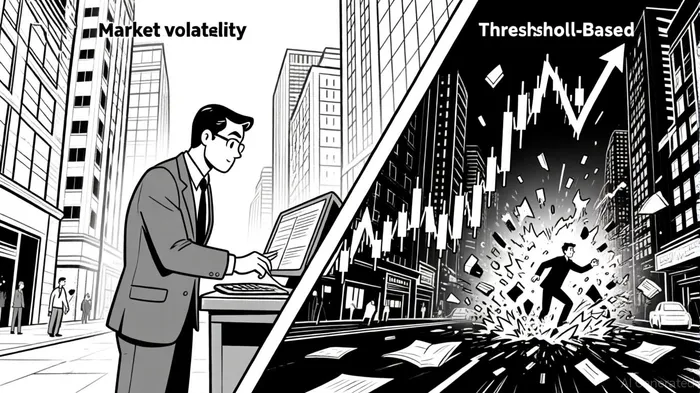
The Psychology of Market Volatility: A Behavioral Finance Perspective
Market volatility is often perceived as a threat, but for investors who understand behavioral finance, it represents a unique opportunity. From 2020 to 2025, global markets have been shaped by psychological biases that drive irrational decision-making, creating mispricings and inefficiencies. Overconfidence, loss aversion, herding, and anchoring biases have amplified market swings, leading to phenomena like speculative bubbles and value traps. For instance, the 2021 GameStopGME-- short squeeze, fueled by Reddit-driven herd behavior, demonstrated how collective irrationality can distort asset prices[1]. Similarly, ESG investing has gained traction not just for its ethical appeal but also because of emotional alignment, even when financial fundamentals lag[2].
These behavioral patterns create windows for contrarian strategies. When fear dominates, undervalued assets emerge; when greed takes over, overvalued ones become apparent. The key lies in recognizing these psychological triggers and acting with discipline.
Cognitive Biases as Market Anomalies
Behavioral finance reveals that investor psychology is the root cause of persistent market anomalies. Loss aversion, for example, leads investors to cling to losing positions, exacerbating underperformance[3]. Anchoring biases cause investors to fixate on historical prices, ignoring new fundamentals. During the 2020–2025 period, these biases were amplified by social media and algorithmic trading, creating feedback loops that intensified volatility[4].
A 2024 study highlighted how overconfidence led to excessive trading on platforms like Zerodha and Upstox, resulting in suboptimal returns for retail investors[5]. Conversely, institutions leveraging AI-driven robo-advisors mitigated these biases by enforcing systematic rebalancing and emotional discipline[6].
Risk-Rebalancing: Calendar-Based vs. Threshold-Based Strategies
To capitalize on volatility, investors must adopt disciplined risk-rebalancing strategies. Two primary approaches—calendar-based and threshold-based—offer distinct advantages depending on market conditions.
- Calendar-Based Rebalancing: Adjusting portfolios at fixed intervals (e.g., quarterly or annually) enforces a "buy low, sell high" discipline. However, it may trigger unnecessary trades during stable periods, increasing transaction costs[7].
- Threshold-Based Rebalancing: Adjustments occur only when asset allocations deviate beyond a predefined percentage (e.g., ±5%). This method reduces costs during calm markets but requires vigilance during high volatility[8].
Empirical data from 2020–2025 shows that threshold-based strategies outperformed calendar-based ones during periods of extreme volatility, such as the 2020 pandemic crash and the 2023 interest rate hikes[9]. For example, a 2021 case study demonstrated how a threshold-based approach helped an equity-heavy portfolio recover faster by rebalancing after a 12% deviation[10].
Case Studies: Behavioral Finance in Action
- GameStop Short Squeeze (2021): Retail investors, driven by herd mentality on Reddit, drove GameStop's price to unsustainable levels. Contrarian investors who recognized the psychological overbidding and rebalanced their portfolios toward undervalued sectors profited during the subsequent correction[1].
- AI-Driven Robo-Advisors: Platforms like Betterment and Wealthfront integrated behavioral nudges to counter loss aversion and overconfidence. During the 2023 market downturn, these tools automated rebalancing, preventing panic selling and preserving long-term returns[6].
- ESG Investing: While emotionally driven, ESG portfolios faced criticism for underperformance. However, investors who combined ESG criteria with behavioral insights—such as avoiding overhyped "green" stocks—captured value during 2024's energy transition rally[2].
Strategic Implications for 2025 and Beyond
The 2020–2025 period underscores the importance of integrating behavioral finance into investment frameworks. By identifying psychological biases and deploying disciplined rebalancing strategies, investors can transform volatility into opportunity. Key takeaways include:
- Contrarian Investing: Buy during fear-driven undervaluation and sell during greed-fueled overvaluation.
- Hybrid Rebalancing: Combine calendar-based and threshold-based strategies to balance discipline with adaptability.
- Behavioral Nudges: Use AI and fintech tools to mitigate emotional decision-making.
As markets evolve, the fusion of behavioral insights and strategic rebalancing will remain critical for navigating uncertainty.





Comentarios
Aún no hay comentarios