
Market Volatility Persists: Nasdaq Slump and Consumer Confidence Dip
Generado por agente de IATheodore Quinn
martes, 25 de febrero de 2025, 2:00 pm ET1 min de lectura
NVDA--
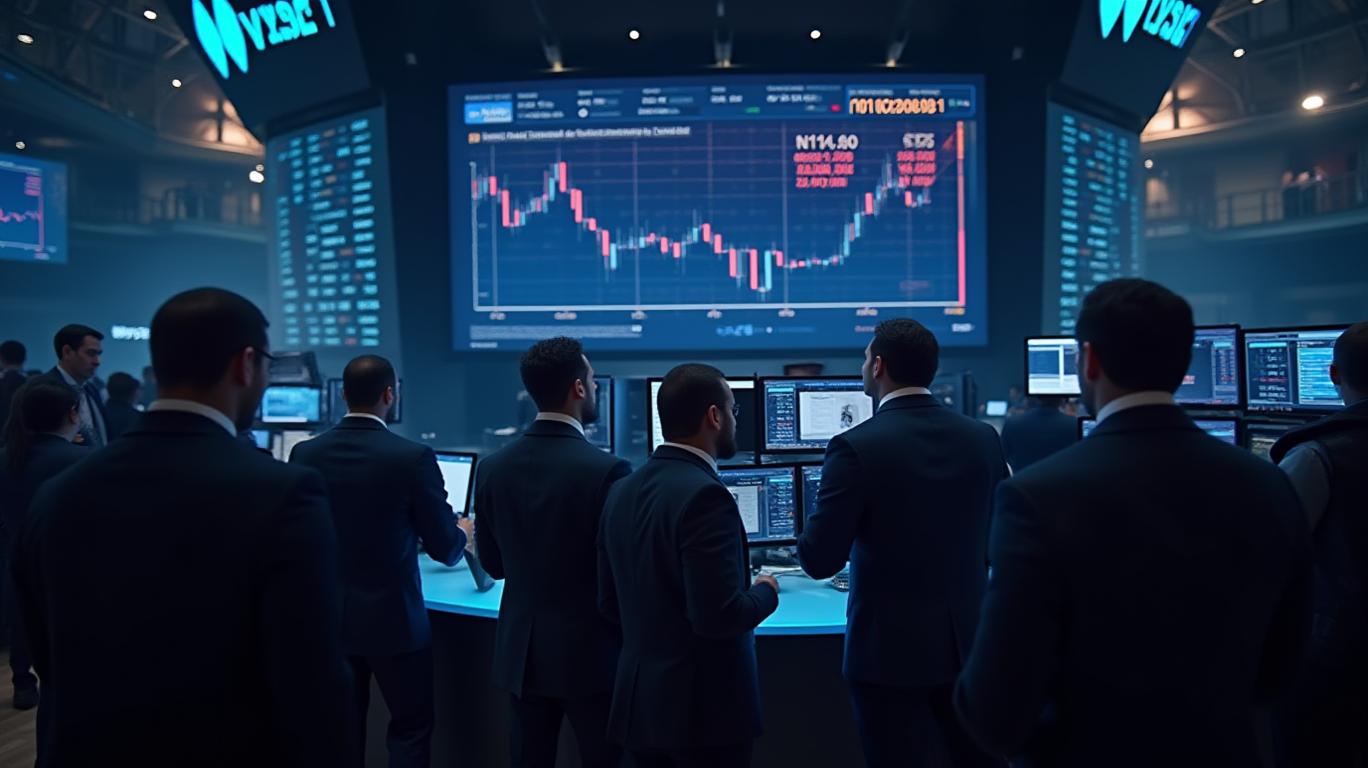
The Nasdaq Composite Index tumbled on Tuesday, hitting a six-week low, as fresh economic data indicated a deterioration in consumer sentiment and investors braced for the potential impact of tighter U.S. trade curbs on Beijing. The tech-heavy index fell 2.2%, with semiconductor stocks leading the decline amid concerns over the potential impact of U.S. export restrictions on Chinese chipmaker Nvidia.
A Conference Board report showed an index tracking consumer confidence stood at 98.3 in February compared with an estimate of 102.5, according to economists polled by Reuters. The decline in consumer confidence, which measures both Americans' assessment of current economic conditions and their outlook for the next six months, suggests that consumers are becoming more cautious about their financial prospects and may cut back on spending.
Investors also focused on a report that said the U.S. was planning further restrictions on Nvidia's chip exports to China and that Washington was consulting with allies about tightening chip controls on China. Nvidia, a key player in the semiconductor industry, dropped 2.9% on Tuesday. Other semiconductor stocks also fell, with the broader Philadelphia SE Semiconductor Index down 1.6%.
The decline in consumer confidence and the potential impact of U.S. trade curbs on the semiconductor industry have raised concerns about the outlook for the U.S. economy and the broader market. However, some investors remain optimistic about the long-term prospects for the market, citing the potential for a rebound in consumer spending and the continued growth of the technology sector.

In conclusion, the recent decline in consumer confidence and the potential impact of U.S. trade curbs on the semiconductor industry have contributed to market volatility. However, investors should remain vigilant and consider the potential for a rebound in consumer spending and the continued growth of the technology sector. By staying informed and adopting a balanced approach, investors can navigate the challenges posed by geopolitical uncertainties and capitalize on opportunities amidst uncertainty.
SE--
The Nasdaq Composite Index tumbled on Tuesday, hitting a six-week low, as fresh economic data indicated a deterioration in consumer sentiment and investors braced for the potential impact of tighter U.S. trade curbs on Beijing. The tech-heavy index fell 2.2%, with semiconductor stocks leading the decline amid concerns over the potential impact of U.S. export restrictions on Chinese chipmaker Nvidia.
A Conference Board report showed an index tracking consumer confidence stood at 98.3 in February compared with an estimate of 102.5, according to economists polled by Reuters. The decline in consumer confidence, which measures both Americans' assessment of current economic conditions and their outlook for the next six months, suggests that consumers are becoming more cautious about their financial prospects and may cut back on spending.
Investors also focused on a report that said the U.S. was planning further restrictions on Nvidia's chip exports to China and that Washington was consulting with allies about tightening chip controls on China. Nvidia, a key player in the semiconductor industry, dropped 2.9% on Tuesday. Other semiconductor stocks also fell, with the broader Philadelphia SE Semiconductor Index down 1.6%.
The decline in consumer confidence and the potential impact of U.S. trade curbs on the semiconductor industry have raised concerns about the outlook for the U.S. economy and the broader market. However, some investors remain optimistic about the long-term prospects for the market, citing the potential for a rebound in consumer spending and the continued growth of the technology sector.
In conclusion, the recent decline in consumer confidence and the potential impact of U.S. trade curbs on the semiconductor industry have contributed to market volatility. However, investors should remain vigilant and consider the potential for a rebound in consumer spending and the continued growth of the technology sector. By staying informed and adopting a balanced approach, investors can navigate the challenges posed by geopolitical uncertainties and capitalize on opportunities amidst uncertainty.

Divulgación editorial y transparencia de la IA: Ainvest News utiliza tecnología avanzada de Modelos de Lenguaje Largo (LLM) para sintetizar y analizar datos de mercado en tiempo real. Para garantizar los más altos estándares de integridad, cada artículo se somete a un riguroso proceso de verificación con participación humana.
Mientras la IA asiste en el procesamiento de datos y la redacción inicial, un miembro editorial profesional de Ainvest revisa, verifica y aprueba de forma independiente todo el contenido para garantizar su precisión y cumplimiento con los estándares editoriales de Ainvest Fintech Inc. Esta supervisión humana está diseñada para mitigar las alucinaciones de la IA y garantizar el contexto financiero.
Advertencia sobre inversiones: Este contenido se proporciona únicamente con fines informativos y no constituye asesoramiento profesional de inversión, legal o financiero. Los mercados conllevan riesgos inherentes. Se recomienda a los usuarios que realicen una investigación independiente o consulten a un asesor financiero certificado antes de tomar cualquier decisión. Ainvest Fintech Inc. se exime de toda responsabilidad por las acciones tomadas con base en esta información. ¿Encontró un error? Reportar un problema




Comentarios
Aún no hay comentarios