
Market Uncertainty: Navigating Trump's Tariff Storm
Generado por agente de IAWesley Park
martes, 26 de noviembre de 2024, 6:02 pm ET1 min de lectura
BCS--
CRM--
U.S. President-elect Donald Trump's latest tariff plans have left investors digesting a mixed bag of market implications. As global markets grapple with the potential impacts, analysts and strategists are assessing the potential fallout on various sectors and industries. This article explores the risks and opportunities arising from Trump's tariff proposals and offers insights on navigating the volatile market landscape.
Trump's tariff plans, if implemented, could have significant consequences for international trade relations and the global economy. The proposed tariffs on China, Mexico, and Canada would likely increase costs for importers, reduce consumer spending, and potentially lead to retaliatory tariffs from affected countries. This could result in a global trade war, leading to decreased economic growth and job loss. Additionally, the tariffs could disrupt global supply chains, particularly in the automotive and technology sectors, and lead to increased inflation.
The materials, consumer-discretionary, industrials, technology, and healthcare sectors appear most vulnerable to Trump's tariffs. These sectors rely heavily on global supply chains, with technology and healthcare particularly sensitive due to their dependence on Chinese imports. Barclays' analysis estimates that a Trump administration imposing 10% tariffs on all imports and a 60% tax on Chinese imports could reduce S&P 500 earnings per share by 3.2% in 2025, with an additional 1.5% hit from retaliatory tariffs.
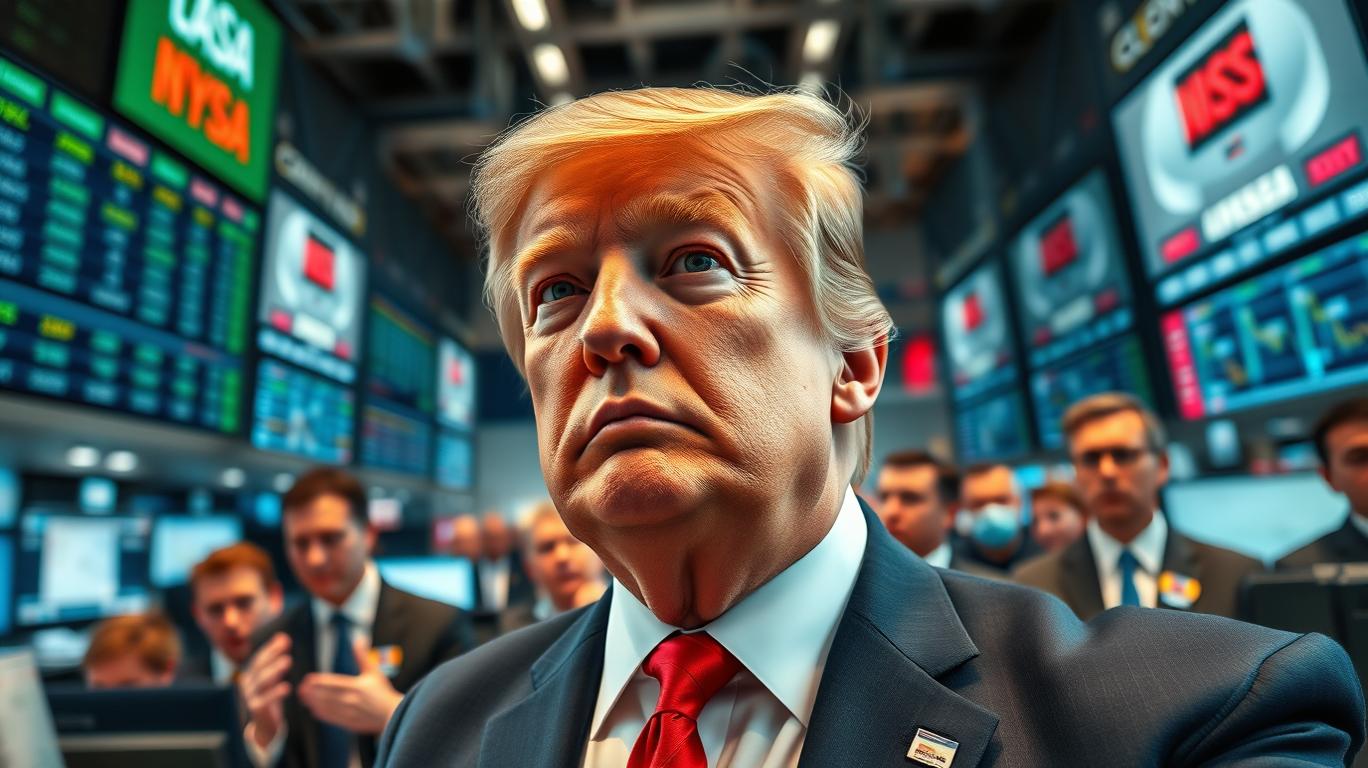
Retaliatory tariffs from U.S. trading partners could further exacerbate the impact of Trump's proposed tariffs on American businesses. According to Barclays, retaliatory tariffs could cause a 1.5% hit to S&P 500 earnings per share (EPS) on top of the initial 3.2% reduction from Trump's tariffs. This suggests that U.S. businesses may face more significant challenges in maintaining profitability and growth as international trade dynamics shift.
To mitigate the potential negative impacts of Trump's tariffs on their portfolios, companies and investors can take several countermeasures. Diversifying portfolios and focusing on domestic and regional suppliers can help reduce exposure to global supply chain disruptions. Additionally, investing in under-owned sectors like energy stocks, which have been performing well, can provide balance and offset potential losses in other sectors. Strategic acquisitions can also help companies expand their product range and reduce reliance on international supply chains, as seen with Salesforce's acquisition of Slack.
In conclusion, Trump's latest tariff plans introduce uncertainty and volatility to global markets. While the proposed tariffs could have significant consequences for international trade relations and the global economy, companies and investors can take proactive measures to mitigate potential negative impacts. By diversifying portfolios, focusing on domestic suppliers, and investing in under-owned sectors, investors can navigate the challenging market landscape and position their portfolios for long-term success. As markets continue to digest Trump's tariff plans, investors should stay informed and adapt their strategies accordingly.
Trump's tariff plans, if implemented, could have significant consequences for international trade relations and the global economy. The proposed tariffs on China, Mexico, and Canada would likely increase costs for importers, reduce consumer spending, and potentially lead to retaliatory tariffs from affected countries. This could result in a global trade war, leading to decreased economic growth and job loss. Additionally, the tariffs could disrupt global supply chains, particularly in the automotive and technology sectors, and lead to increased inflation.
The materials, consumer-discretionary, industrials, technology, and healthcare sectors appear most vulnerable to Trump's tariffs. These sectors rely heavily on global supply chains, with technology and healthcare particularly sensitive due to their dependence on Chinese imports. Barclays' analysis estimates that a Trump administration imposing 10% tariffs on all imports and a 60% tax on Chinese imports could reduce S&P 500 earnings per share by 3.2% in 2025, with an additional 1.5% hit from retaliatory tariffs.
Retaliatory tariffs from U.S. trading partners could further exacerbate the impact of Trump's proposed tariffs on American businesses. According to Barclays, retaliatory tariffs could cause a 1.5% hit to S&P 500 earnings per share (EPS) on top of the initial 3.2% reduction from Trump's tariffs. This suggests that U.S. businesses may face more significant challenges in maintaining profitability and growth as international trade dynamics shift.
To mitigate the potential negative impacts of Trump's tariffs on their portfolios, companies and investors can take several countermeasures. Diversifying portfolios and focusing on domestic and regional suppliers can help reduce exposure to global supply chain disruptions. Additionally, investing in under-owned sectors like energy stocks, which have been performing well, can provide balance and offset potential losses in other sectors. Strategic acquisitions can also help companies expand their product range and reduce reliance on international supply chains, as seen with Salesforce's acquisition of Slack.
In conclusion, Trump's latest tariff plans introduce uncertainty and volatility to global markets. While the proposed tariffs could have significant consequences for international trade relations and the global economy, companies and investors can take proactive measures to mitigate potential negative impacts. By diversifying portfolios, focusing on domestic suppliers, and investing in under-owned sectors, investors can navigate the challenging market landscape and position their portfolios for long-term success. As markets continue to digest Trump's tariff plans, investors should stay informed and adapt their strategies accordingly.

Divulgación editorial y transparencia de la IA: Ainvest News utiliza tecnología avanzada de Modelos de Lenguaje Largo (LLM) para sintetizar y analizar datos de mercado en tiempo real. Para garantizar los más altos estándares de integridad, cada artículo se somete a un riguroso proceso de verificación con participación humana.
Mientras la IA asiste en el procesamiento de datos y la redacción inicial, un miembro editorial profesional de Ainvest revisa, verifica y aprueba de forma independiente todo el contenido para garantizar su precisión y cumplimiento con los estándares editoriales de Ainvest Fintech Inc. Esta supervisión humana está diseñada para mitigar las alucinaciones de la IA y garantizar el contexto financiero.
Advertencia sobre inversiones: Este contenido se proporciona únicamente con fines informativos y no constituye asesoramiento profesional de inversión, legal o financiero. Los mercados conllevan riesgos inherentes. Se recomienda a los usuarios que realicen una investigación independiente o consulten a un asesor financiero certificado antes de tomar cualquier decisión. Ainvest Fintech Inc. se exime de toda responsabilidad por las acciones tomadas con base en esta información. ¿Encontró un error? Reportar un problema


SOBRE NOSOTROS
Nuestra historiaAutores de noticiasBase de conocimientosPolítica de privacidadTérmino de usoDescargo de responsabilidad de corretaje de tercerosTérminos de uso de AIMEDivulgaciones de riesgos de AInvest AICarrerasCONTÁCTENOS
Email: support@ainvest.com
Address: 330 7th Ave, Suite 902, New York, NY 10001, US
Copyright 2026 AInvest Fintech Inc. All rights reserved.


Comentarios
Aún no hay comentarios