
Market Reversals in Bearish Environments: Contrarian Timing and Cyclical Stock Momentum
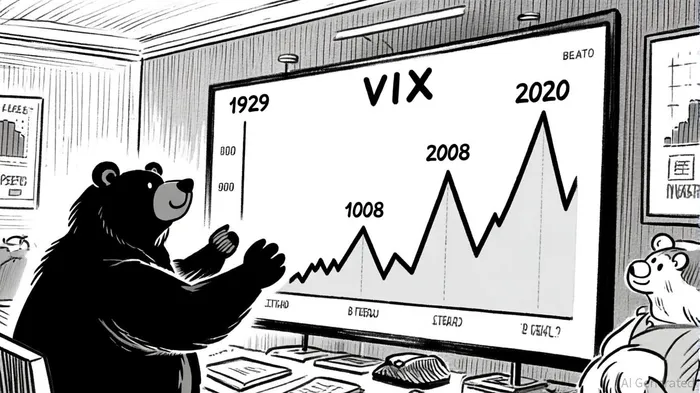
In the annals of financial history, bear markets have been both harbingers of despair and fertile ground for contrarian investors. The 1929 crash, the 2008 financial crisis, and the 2020 pandemic-induced downturn each offer stark lessons on how cyclical stocks behave during economic contractions-and how savvy investors can exploit these patterns. By dissecting historical data on investor sentiment, volatility metrics, and sectoral momentum shifts, we uncover actionable insights for navigating bearish environments.
The Anatomy of Bear Market Reversals
Bear markets are not monolithic; they vary in cause, duration, and recovery trajectory. The 1929 crash, driven by speculative excess and structural economic weaknesses, saw the S&P 500 plummet 73% and unemployment soar to 24.7%, according to a historical bear-cycle analysis. In contrast, the 2008 crisis, rooted in a housing bubble and banking collapse, resulted in a 51.93% decline, while the 2020 bear market-a rapid 34% drop over 33 days-was triggered by pandemic-induced shutdowns, as detailed in a bear market history.
Cyclical stocks, which thrive in economic expansions, are disproportionately impacted during downturns. For example, industrials and consumer discretionary sectors often contract first as demand wanes. However, these same sectors tend to lead recoveries. Historical data shows cyclical stocks outperformed defensive peers in 83% of post-bear market rallies, with an average outperformance of 4%, according to that historical analysis. This pattern underscores the cyclical nature of markets and the importance of timing entry points.
Investor Sentiment: The Contrarian's Compass
Extreme pessimism often precedes market bottoms. During the 2008 crisis, the VIX (Volatility Index) spiked to 79.89 on March 9, 2009, reflecting paralyzing uncertainty, as noted in the bear market history. Similarly, in March 2020, the VIX surged to 82.69 as the pandemic's economic toll became apparent, also documented in that same bear-market account. These spikes, while terrifying for the average investor, signaled contrarian opportunities.
The put/call ratio-a measure of bearish sentiment-also acts as a contrarian indicator. A high ratio (e.g., 2:1) suggests excessive fear, often coinciding with market troughs. For instance, during the 2008 crisis, Warren Buffett capitalized on undervalued assets when sentiment hit extremes, as described in an investor sentiment analysis. While historical data for 1929 is sparse (the VIX did not exist then), the 1929 crash's aftermath saw cyclical stocks rebound only after fiscal and monetary interventions stabilized the economy, as noted in the historical bear-cycle analysis.
Cyclical Momentum Shifts: Timing the Rebound
Post-reversal recoveries depend on the type of bear market. Event-driven downturns (e.g., 2020) tend to recover faster than structural ones (e.g., 1929). The 2020 bear market, though steep, lasted just a month, and cyclical stocks rebounded swiftly due to unprecedented fiscal stimulus and vaccine optimism, as documented in the bear market history. Conversely, the 1929 crash took 25 years to fully recover, as structural issues like overleveraging and regulatory failures prolonged the depression, according to the historical bear-cycle analysis.
Momentum shifts in cyclical stocks are also influenced by behavioral and risk-based factors. Stocks transitioning from "loser" to "winner" status often see increased market beta, reflecting conditional risk compensation, according to a momentum and reversal analysis. For example, post-2008, cyclical sectors like financials and industrials surged as central banks slashed interest rates and injected liquidity, as detailed in the historical analysis.
Strategic Implications for Investors
- Contrarian Timing: Extreme sentiment indicators (e.g., VIX >80, put/call ratio >2.0) historically signal oversold conditions. Investors should consider buying cyclical stocks when these metrics hit extremes, provided fundamentals show long-term resilience.
- Sector Rotation: Prioritize cyclical sectors (e.g., industrials, materials) during recoveries. Defensive sectors (e.g., utilities, consumer staples) may offer downside protection during the downturn itself, as the Bear Market Playbook explains.
- Policy Awareness: Structural bear markets require patience, as recoveries hinge on policy interventions. Event-driven downturns, however, may rebound quickly if external risks abate.
Conclusion
History teaches us that bear markets are not the end but rather a phase in the market's cyclical rhythm. By analyzing sentiment indicators, volatility metrics, and sectoral momentum, investors can identify contrarian opportunities. The key lies in distinguishing between temporary turbulence and structural collapse-a skill honed by studying past crises. As the adage goes, "Be fearful when others are greedy, and greedy when others are fearful." In bearish environments, this wisdom is not just a mantra-it's a roadmap to outperformance.







Comentarios
Aún no hay comentarios