
M&A Market Recovery in 2025: Sector Concentration as a Catalyst for Strategic Consolidation and Enhanced Valuation
The M&A market in 2025 is emerging from a period of uncertainty with renewed vigor, driven by sector-specific consolidation and a recalibration of valuation dynamics. While global deal volumes have moderated, the focus has shifted toward strategic, high-impact transactions that prioritize long-term value creation over short-term volume. This shift is particularly evident in sectors where innovation, regulatory tailwinds, and macroeconomic clarity have converged to create fertile ground for consolidation.
Sector Concentration: The Engine of Strategic Consolidation
The recovery in M&A activity is not uniform across industries. Instead, it is being propelled by concentrated demand in sectors where strategic imperatives align with favorable market conditions. According to a report by Forvis Mazars, U.S. middle-market deal activity in Q2 2025 showed a 10.7% year-over-year increase in deal value despite a decline in overall volume, underscoring a shift toward larger, more strategic transactions [1]. This trend is most pronounced in healthcare, technology, and consumer goods, where companies are leveraging M&A to scale capabilities, navigate regulatory complexity, and address evolving consumer demands.
In healthcare, for instance, the integration of artificial intelligence (AI) and digital therapeutics has become a cornerstone of consolidation. HealthTech firms with AI-driven platforms are commanding valuation multiples of 6–8x revenue, significantly higher than the sector average of 4–6x [2]. This premium reflects the transformative potential of these technologies in improving operational efficiency and patient outcomes. Similarly, in the consumer goods sector, companies are prioritizing acquisitions that align with sustainability and wellness trends. L'Oréal's acquisition of Medik8 and Prada's proposed takeover of Versace exemplify how global players are expanding their premium offerings to capture market share in high-growth niches [3].
Valuation Dynamics: Quality Over Quantity
Valuation metrics in 2025 have become more nuanced, with sector-specific factors playing a decisive role. In the technology sector, where AI and cybersecurity are driving consolidation, buyers are placing a premium on revenue visibility and product-market fit. As noted in a Morgan Lewis analysis, mid-sized tech firms with recurring revenue models and scalable AI-native platforms are attracting heightened interest, with structured deal terms like earnouts and deferred consideration becoming standard to bridge valuation gaps [4].
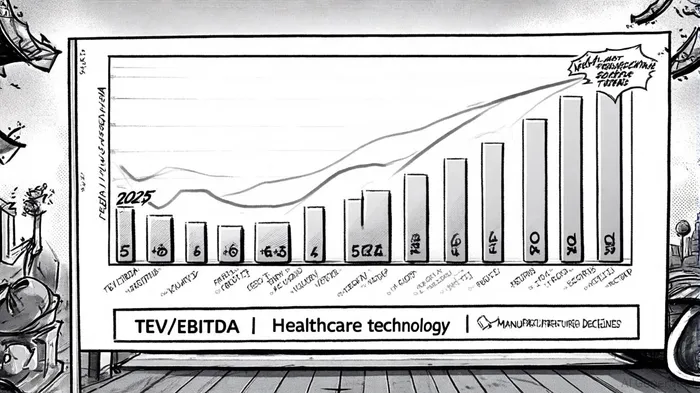
Healthcare M&A further illustrates this trend. Ambulatory surgery centers (ASCs), for example, are trading at enterprise value to EBITDA (EV/EBITDA) multiples of 9x–13x, reflecting their profitability and alignment with outpatient care shifts [5]. In contrast, hospital systems, burdened by thin margins and inflationary pressures, are valued at 7x–9x EV/EBITDA, highlighting the sector's uneven recovery. These disparities underscore how strategic alignment—rather than generic scale—is now the primary driver of valuation premiums.
The Role of Private Equity and Macroeconomic Tailwinds
Private equity (PE) firms are amplifying sector concentration through targeted investments. With $530 billion in dry powder as of 2024, PE firms are deploying capital in sectors where they can leverage operational expertise to enhance value. In the industrial sector, for example, ESG-aligned acquisitions are gaining traction, with companies pursuing deals that align with decarbonization goals and operational efficiency [6]. Meanwhile, anticipated Federal Reserve rate cuts in 2025 are easing financing conditions, enabling larger transactions and reducing the cost of capital for acquirers [1].
However, challenges persist. Regulatory scrutiny, particularly in cross-border tech deals involving sensitive data, remains a hurdle. Companies are increasingly engaging legal counsel early in the deal process to navigate antitrust and national security concerns [4]. This caution reflects a broader recalibration of risk in an environment where geopolitical tensions and sector-specific regulations continue to shape deal structures.
Conclusion: A New Paradigm for M&A
The 2025 M&A landscape is defined by a strategic pivot toward sector-specific consolidation, where quality and alignment with macroeconomic and technological trends outweigh traditional volume-driven approaches. As companies and investors focus on deploying capital in high-impact opportunities, the interplay between sector concentration, valuation dynamics, and strategic intent will likely define the next phase of market recovery.







Comentarios
Aún no hay comentarios